Iran-US tensions rise as Tehran warns of 'pure loss' in talks
Digital Desk
Iran prepares for potential war with US, viewing Strait of Hormuz as key weapon. Israeli strikes kill 31 in Lebanon as regional tensions escalate.
Tehran views Strait of Hormuz as its biggest strategic weapon; Israeli attacks kill 31 in southern Lebanon as ground offensive deepens
Iran is bracing for a potential new war with the United States, with senior officials describing the Strait of Hormuz as Tehran's most formidable strategic asset. According to an Al Jazeera report published Wednesday, Iranian authorities have "zero trust" in Washington, prompting a three-pronged approach focusing on military readiness, domestic support, and diplomatic manoeuvring.
The Iranian Revolutionary Guards Corps (IRGC) remains on high alert. While officials maintain that dialogue channels technically remain open, the military posture suggests otherwise.
Strait of Hormuz leverage
Iran considers the strategic waterway its greatest bargaining chip. A significant portion of global oil shipments transits through the strait, giving Tehran substantial leverage over the United States and its allies. Any disruption would send shockwaves through international energy markets, officials familiar with the strategy said.
Israeli strikes pound southern Lebanon
Meanwhile, Israel intensified its military campaign across the northern border, with strikes in southern Lebanon killing 31 people and injuring 40 others. The Israeli military issued dozens of forced displacement orders for towns and villages in Lebanon's south and east, triggering panic among residents.
Ground forces pushed deeper into Lebanese territory as families fled northward. The Israeli army warned residents of approximately 50 towns and villages to evacuate, including Nabatiyeh, a major southern town.
Trump criticises US media
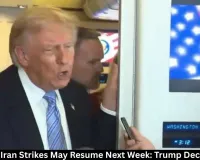
US President Donald Trump lashed out at major American news outlets over their coverage of the Iran conflict. Speaking to reporters, Trump claimed that even a complete American military victory would be portrayed by the media as an Iranian win. The remarks drew mixed reactions from political observers.
Four major developments in 24 hours
The past day saw several significant escalations. Iran claimed its forces targeted US MQ-9B and RQ-4 drones and fired on an F-35 fighter jet that allegedly entered Iranian airspace. The Pentagon has not issued an official response.
Internet services were partially restored in Iran after 88 days. NetBlocks described this as the longest national internet blackout in modern history, severely affecting businesses and digital services across the country.
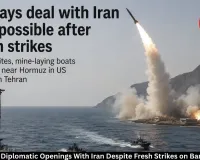
Israeli Prime Minister Benjamin Netanyahu convened a security meeting with defence officials, focusing on the northern border and Lebanon operations, while intensifying attacks on Hezbollah targets. The US also attacked Iranian mine-laying boats near the Strait of Hormuz and missile bases in Bandar Abbas. Centcom described the operation as an act of self-defence.
Diplomatic channel remains alive
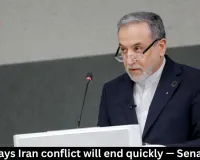
Despite the escalating tensions, US and Iranian officials continue talks through mediators. People in Tehran appear hopeful about a potential understanding—the Iranian currency has appreciated more than five per cent this week, reflecting cautious optimism.
Large numbers of US military aircraft remain stationed at Israeli airports, including Ben Gurion and Ramon, where dozens of fighter jets and refuelling planes have reportedly affected normal flight operations.
--------
๐จ Beat the News Rush โ Join Now!
Get breaking alerts, hot exclusives, and game-changing stories instantly on your phone. No delays, no fluff โ just the edge you need. โก
Tap to join:ย
๐ข WhatsApp Channel: Dainik Jagran MP CG
Crave more?
๐ Facebook: Dainik Jagran MP CG English
๐ ง Twitter (X): Dainik Jagran MP CG
๐ Instagram: Dainik Jagran MP CG
Share the fire โ keep your crew ahead! ๐๏ธ๐ฅ
Iran-US tensions rise as Tehran warns of 'pure loss' in talks
Digital Desk
Tehran views Strait of Hormuz as its biggest strategic weapon; Israeli attacks kill 31 in southern Lebanon as ground offensive deepens
Iran is bracing for a potential new war with the United States, with senior officials describing the Strait of Hormuz as Tehran's most formidable strategic asset. According to an Al Jazeera report published Wednesday, Iranian authorities have "zero trust" in Washington, prompting a three-pronged approach focusing on military readiness, domestic support, and diplomatic manoeuvring.
The Iranian Revolutionary Guards Corps (IRGC) remains on high alert. While officials maintain that dialogue channels technically remain open, the military posture suggests otherwise.
Strait of Hormuz leverage
Iran considers the strategic waterway its greatest bargaining chip. A significant portion of global oil shipments transits through the strait, giving Tehran substantial leverage over the United States and its allies. Any disruption would send shockwaves through international energy markets, officials familiar with the strategy said.
Israeli strikes pound southern Lebanon
Meanwhile, Israel intensified its military campaign across the northern border, with strikes in southern Lebanon killing 31 people and injuring 40 others. The Israeli military issued dozens of forced displacement orders for towns and villages in Lebanon's south and east, triggering panic among residents.
Ground forces pushed deeper into Lebanese territory as families fled northward. The Israeli army warned residents of approximately 50 towns and villages to evacuate, including Nabatiyeh, a major southern town.
Trump criticises US media
US President Donald Trump lashed out at major American news outlets over their coverage of the Iran conflict. Speaking to reporters, Trump claimed that even a complete American military victory would be portrayed by the media as an Iranian win. The remarks drew mixed reactions from political observers.
Four major developments in 24 hours
The past day saw several significant escalations. Iran claimed its forces targeted US MQ-9B and RQ-4 drones and fired on an F-35 fighter jet that allegedly entered Iranian airspace. The Pentagon has not issued an official response.
Internet services were partially restored in Iran after 88 days. NetBlocks described this as the longest national internet blackout in modern history, severely affecting businesses and digital services across the country.
Israeli Prime Minister Benjamin Netanyahu convened a security meeting with defence officials, focusing on the northern border and Lebanon operations, while intensifying attacks on Hezbollah targets. The US also attacked Iranian mine-laying boats near the Strait of Hormuz and missile bases in Bandar Abbas. Centcom described the operation as an act of self-defence.
Diplomatic channel remains alive
Despite the escalating tensions, US and Iranian officials continue talks through mediators. People in Tehran appear hopeful about a potential understanding—the Iranian currency has appreciated more than five per cent this week, reflecting cautious optimism.
Large numbers of US military aircraft remain stationed at Israeli airports, including Ben Gurion and Ramon, where dozens of fighter jets and refuelling planes have reportedly affected normal flight operations.