


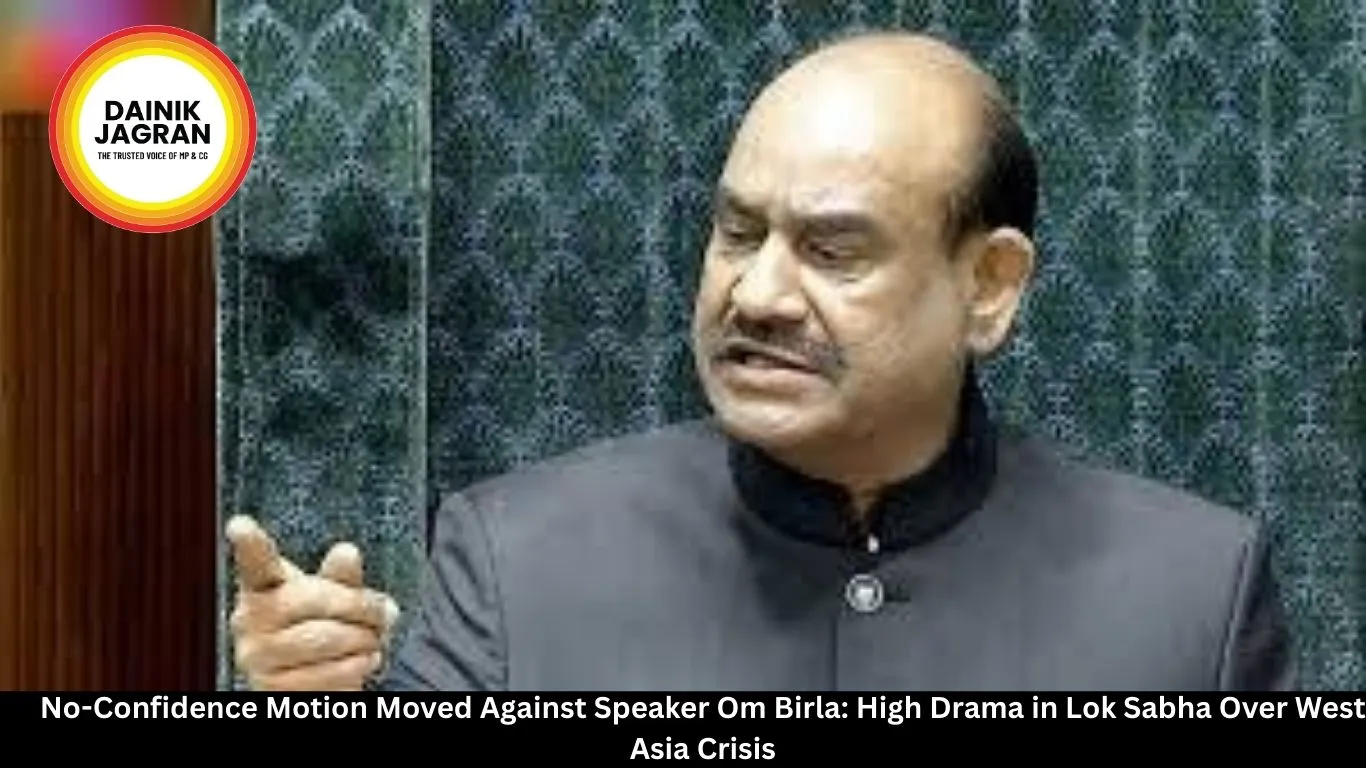
No-Confidence Motion Moved Against Speaker Om Birla: High Drama in Lok Sabha Over West Asia Crisis
Digital Desk
In a historic and rare parliamentary move, the opposition parties in the Lok Sabha introduced a no-confidence motion against Speaker Om Birla on Tuesday, March 10, 2026. With more than 50 MPs voting in favor of the motion’s introduction, the House has cleared the way for a marathon 10-hour discussion regarding the Speaker’s neutrality and the government’s handling of global energy shifts.
The motion comes at a time of heightened geopolitical tension, as the conflict in West Asia begins to ripple through the Indian economy, triggering heated debates over fuel prices and national security.
The Charge: Allegations of Bias and "Silenced Microphones"
The primary catalyst for this no-confidence motion is the opposition's claim that the Speaker’s office has lost its impartiality. Senior leaders, including Gaurav Gogoi and Manickam Tagore, accused Om Birla of favoring the Treasury benches and stifling the voices of the over 200 opposition members.
"The microphone has become a weapon," Gogoi stated during the opening remarks. "It is operated according to the convenience of the ruling party, while the Leader of the Opposition is often denied the floor."
Because the motion specifically targets the Speaker, Article 96 of the Constitution was invoked, requiring Om Birla to vacate the Chair during the proceedings. In a move that sparked further friction, the government appointed Jagdambika Pal to preside over the session—a decision the opposition questioned, citing the lack of a Deputy Speaker in the current House.
West Asia Conflict: The Economic Backdrop
While the no-confidence motion focuses on parliamentary conduct, the underlying fire is being fueled by the escalating war in West Asia. The opposition has demanded an urgent, dedicated discussion on:
-
Energy Security: Discrepancies in national oil stock figures (reported between 25 and 75 days).
-
Inflation: Recent hikes in LPG rates by ₹55 per cylinder and rising CNG prices.
-
Citizen Safety: The evacuation of 67,000 Indians from the conflict zone and the tragic deaths of two Indian merchant seafarers.
Leader of the Opposition, Rahul Gandhi, launched a scathing attack on the Prime Minister, claiming the "compromised" government is failing to protect the common man from historic crude oil price surges. "The stock market is falling, and our Prime Minister does not have the courage to discuss it," Gandhi remarked outside the House.
Can the Motion Succeed?
Despite the symbolic victory of getting the motion admitted, the math remains in favor of the ruling National Democratic Alliance (NDA).
-
Required for Passage: A simple majority of the members present and voting.
-
Current Numbers: The NDA maintains a comfortable lead with over 290 MPs.
-
Speaker’s Rights: While Om Birla cannot preside during the debate, he retains the right to speak in his defense and cast a vote as a member of the House.
What’s Next for Parliament?
The 10-hour debate is expected to be one of the most contentious sessions in recent history. Beyond the Speaker, the opposition is also readying a separate draft for a "no-confidence motion" against Chief Election Commissioner Gyanesh Kumar, signaling a coordinated effort to challenge key institutional heads.
As the West Asia crisis intensifies, the Indian public remains focused on whether this parliamentary showdown will lead to concrete solutions for rising living costs or simply result in further legislative stalemate.
.jpg)
.jpg)




