


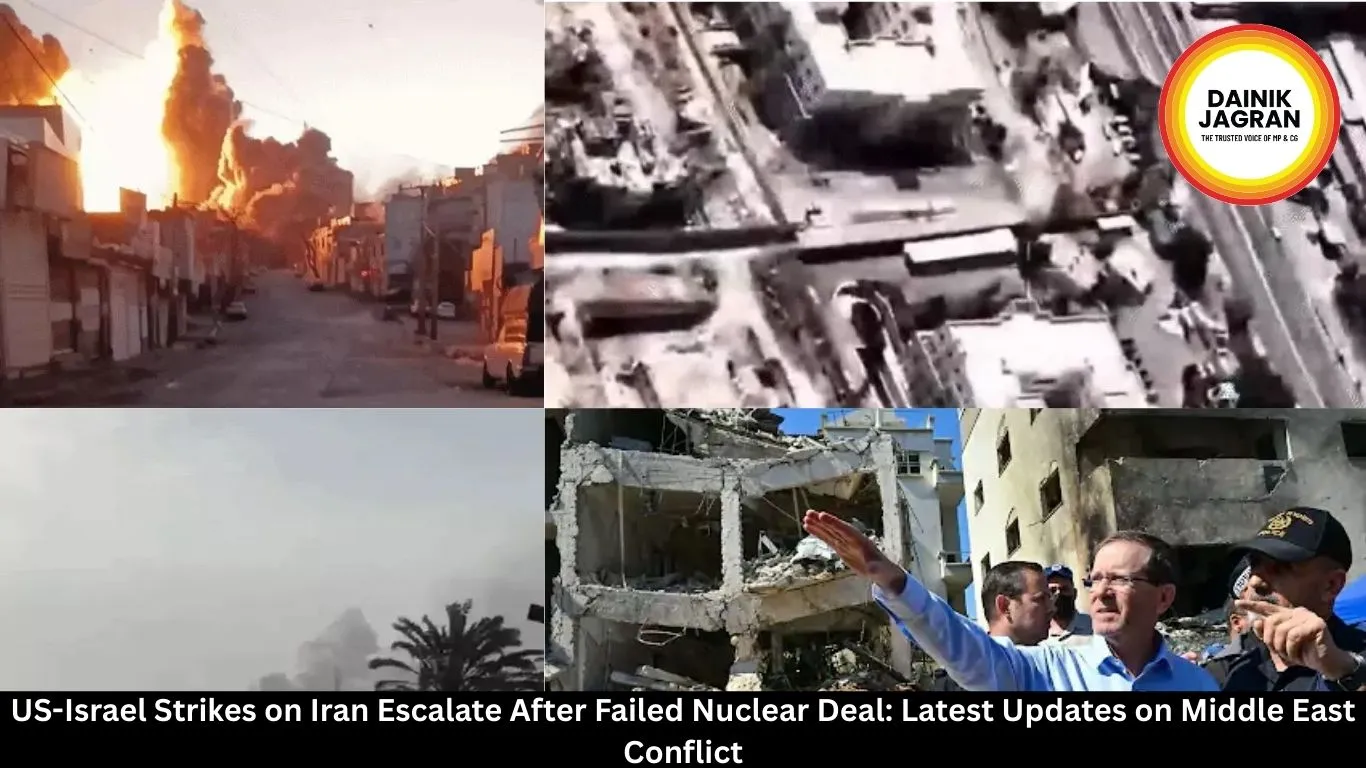
US-Israel Strikes on Iran Escalate After Failed Nuclear Deal: Latest Updates on Middle East Conflict
Digital Desk
In a dramatic revelation amid the escalating US-Israel Iran conflict, US Special Representative Steve Witkoff disclosed that Washington was prepared to supply nuclear fuel to Tehran in exchange for a 10-year halt on uranium enrichment. The proposal's rejection led to joint military strikes, marking the fourth day of intense operations. This failed nuclear deal attempt underscores the deepening Middle East war, with global repercussions on energy supplies and regional stability.
Failed Nuclear Talks Spark Military Action
The US-Israel Iran conflict intensified after negotiations collapsed, as Witkoff explained in a recent interview. Iran rejected the US offer, insisting on its "inalienable right" to enrich uranium. "We made a final effort, but it didn't succeed," Witkoff said, noting that military operations began shortly after. President Donald Trump, speaking from the White House, warned that the largest attack on Iran is "yet to come" and urged Americans to evacuate the Middle East, predicting the war could last four to five weeks.
This timeliness stems from Iran's accelerating nuclear program, which Israeli Prime Minister Benjamin Netanyahu claims would become "immune" to attacks within months without intervention. The strikes aim to dismantle Iran's ballistic missiles, navy, and proxy networks, preventing a broader threat to international peace.
Rising Casualties and Regional Fallout
Iran reports at least 742 deaths, including 176 children, since the conflict began on February 28. Over 750 injuries have been recorded, with strikes targeting key sites like Tehran's Golestan Palace—a UNESCO World Heritage Site—and nuclear facilities in Natanz. Funerals for 165 schoolgirls killed in Minab highlight the human cost, drawing UN condemnation for attacks on civilians, schools, and hospitals.
The Middle East war has spilled over:
- Iranian missiles hit Saudi Arabia's Ras Tanura refinery and US embassies in Riyadh and Kuwait, prompting consular service suspensions.
- Drone strikes targeted Oman's Duqm port and a hotel housing US troops in Iraq's Erbil.
- Hezbollah retaliated by attacking three Israeli sites, while Israel struck Beirut, forcing evacuations in Lebanese villages.
- Qatar intercepted Iranian drones, halting LNG production, and Bahrain downed 70 missiles.
US losses include six service members killed and three F-15E jets downed by friendly fire in Kuwait. Iran claims to have closed the Strait of Hormuz, threatening global oil supplies, though US Central Command denies this.
Expert Perspectives and Global Reactions
Analysts view the US-Israel alliance as a pre-emptive move to curb Iran's nuclear ambitions, echoing Trump's withdrawal from the 2015 JCPOA, which he credits with preventing Tehran from acquiring weapons. "This is not an endless war; it's the gateway to peace," Netanyahu told Fox News.
International responses vary: UK Prime Minister Keir Starmer's stance drew Trump's criticism, straining relations. Turkey's President Erdogan called for a ceasefire amid civilian suffering. The UN expressed alarm, urging protection for children.
What It Means for the Future
As the US-Israel Iran conflict rages, experts urge diplomatic revival to avert a prolonged Middle East war. For readers, monitor travel advisories—US citizens should depart 14 countries immediately. This failed nuclear deal saga highlights the fragility of global security; staying informed via live updates is key to understanding potential economic shocks from disrupted energy flows.



.jpg)




