


ICC Threatens Action on Bangladesh T20 World Cup Boycott: Scotland Set for Replacement
Digital Desk
In a dramatic escalation in international cricket, the International Cricket Council (ICC) is poised to announce Scotland as Bangladesh's replacement in the 2026 T20 World Cup today, January 24, 2026. This move comes after Bangladesh's firm boycott due to security concerns over traveling to host nation India.
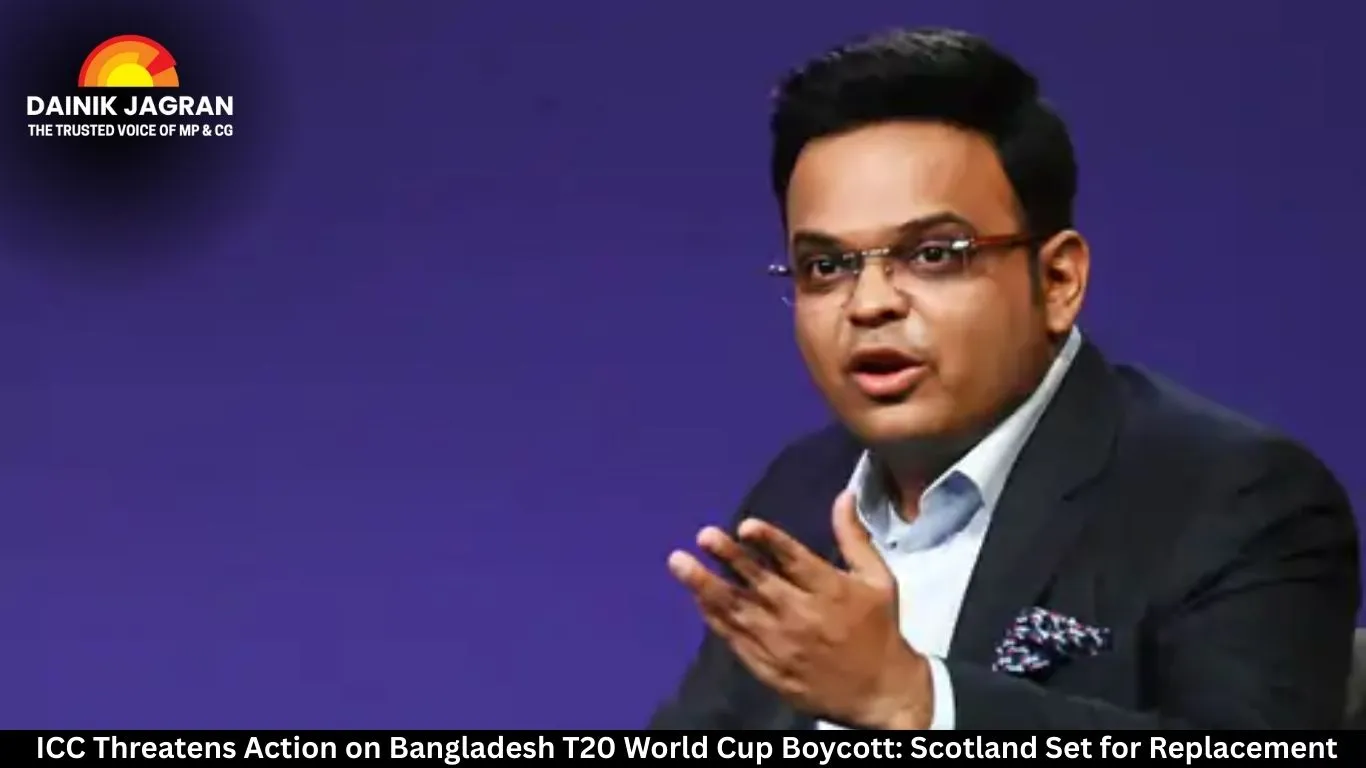
ICC Chairman Jay Shah, fresh from the U-19 World Cup in Namibia, is in Dubai to finalize the decision, signaling potential harsh penalties for the Bangladesh Cricket Board (BCB). As cricket fans worldwide watch closely, this Bangladesh T20 World Cup boycott highlights deepening geopolitical tensions in sports.
Why the Boycott Matters Now
The Bangladesh T20 World Cup boycott isn't just a scheduling hiccup—it's a flashpoint in global cricket amid rising security debates. Bangladesh's interim government and BCB cited safety fears for refusing to play in India, a stance that echoes broader diplomatic strains. With the tournament approaching, this refusal disrupts team preparations and fan expectations. In an era where sports often intersect with politics, this case underscores how national security claims can upend international events. Experts argue it's a test for the ICC's authority, potentially setting precedents for future host disputes.
ICC's Response and Potential Punishments
ICC board members are reportedly furious with BCB President Aminul Islam Bulbul for holding a press conference before officially notifying the council. A source close to the ICC told PTI, "This breach of protocol has angered everyone." Jay Shah is leading discussions on sanctions, which could include fines, ranking demotions, or even suspensions from future events.
Scotland, ranked highest among non-qualifiers, stands to gain entry by default. This Scotland T20 World Cup replacement would boost the associate nation's profile, offering them a shot at glory against top teams. However, the ICC rejected Bangladesh's plea to relocate matches, with only two board votes in their favor against 14.
- Financial Fallout: Bangladesh risks losing ₹240 crore from sponsorships, broadcast rights, and a ₹5 crore participation fee.
- Rankings Impact: Skipping the event could plummet their ICC standings, affecting future qualifications.
- Legal Hurdles: BCB's appeal to the Dispute Resolution Committee (DRC) is futile, as DRC can't overturn board decisions. Next stop? The Court of Arbitration for Sport in Switzerland, but odds are slim.
Expert Perspectives and Takeaways
Simulated expert analysis from cricket analyst Rajiv Gupta: "The Bangladesh T20 World Cup boycott is shortsighted. While security is paramount, dialogue could have resolved this. ICC punishment Bangladesh must be measured to avoid alienating members." Former player Sarah Thompson adds, "Scotland's inclusion injects fresh energy—underdogs like them thrive in T20 formats."
For fans and stakeholders:
- Stay updated via official ICC channels for today's announcement.
- Support inclusive cricket by advocating fair resolutions in host disputes.
- Watch how this affects team strategies—Scotland could surprise with their gritty play.
The Bangladesh T20 World Cup boycott saga, driven by security standoffs, risks fracturing cricket's unity. As Jay Shah mulls ICC action, Scotland's potential entry offers a silver lining. This isn't just about one team; it's a wake-up call for better governance in sports. Will Bangladesh back down, or face the consequences? The verdict looms, reshaping the 2026 tournament.

.jpg)




