Indore water crisis: Commissioner orders warnings then fines
Digital Desk
Indore water crisis: Commissioner directs officials to warn people wasting water, fit taps and issue fines if they persist; extra tankers deployed across city.
Indore water crisis response tightened as civic chief orders warnings for wasteful use, penalties if people persist
Facing an escalating water shortage, Indore Municipal Commissioner Kshitij Singhal has ordered a strict crackdown on wasteful water use, directing field officials to first warn offenders and impose fines if they continue to squander supply, officials said on Sunday.
Immediate enforcement steps
According to a municipal order issued to zonal health officers, chief sanitation inspectors and assistant inspectors, teams have been told to step up inspections during water-supply hours. Officials will look for connections without taps and for residents or businesses deliberately letting water flow when not required. Initial reports indicate inspectors will counsel violators on the spot and push for tap fittings to be installed immediately.
“Wherever water is being needlessly discharged, motivate people to stop and fit taps; if they do not comply, proceed with challan action as per rules,” the commissioner told senior staff, municipal sources said. Daily records of enforcement actions are to be sent to the Additional Commissioner.
Ground reality and timing
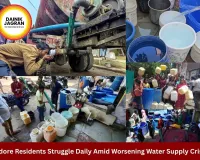
Civic officials said the directive followed routine morning rounds by municipal teams that found bulk wastage at several residential pockets and slum clusters. In many places, water supplied through standposts or temporary connections was seen running into drains because taps or valves were missing, leading to local waterlogging and unhygienic conditions.
The heightened vigilance comes as the city records thinner availability from borewells and other sources during peak summer. Municipal staff said inspections will be concentrated during supply windows in the morning and late evening, when most tankers and piped connections are active.
Public appeal and permitted uses
The civic body has appealed to residents to limit municipal drinking-water strictly to essential household uses and drinking. Officials highlighted misuse such as washing cars, flushing open courtyards and cleaning commercial premises with drinking supply as avoidable practices that strain the system.
“Water conservation is the need of the hour,” the commissioner said in a note to staff. “Every citizen must value each drop and support management efforts.” Municipal sources emphasised that the first response will be awareness and persuasion; enforcement will follow only if warnings fail.
Impact on supplies and tanker operations
The city is running about 720 municipal water tankers daily — roughly 125 more than last year — officials said. Most tankers are deployed under contract at rates of about Rs 2,100–2,200 per day, and the civic agency has attached over 500 privately owned tankers for distribution. Persistent complaints about tanker shortages, irregular deliveries and illegal resale of water prompted the corporation to begin procuring about 100 tankers of its own, municipal officials said.
Despite extra tankers, residents in several localities have staged protests and road blockades in recent weeks demanding reliable supply. Opposition parties and local councillors have also held demonstrations; a recent protest at Rajwada saw activists break earthen pots and stage a sit-in, while a councillor at Palda junction led a prolonged road blockade over the issue.
Why the crisis persists
Officials said the strain stems from multiple factors: depleted borewells, lower groundwater recharge, rising demand in densely populated wards, and distribution losses caused by connections lacking functional taps or valves. When water flows uncontrolled during supply cycles, it not only wastes a scarce resource but also creates waterlogged public spaces that pose health risks.
Next steps and monitoring
The municipal commissioner has asked zonal officers to file daily situational reports, including numbers of warnings issued, challans served and areas where tap fittings were installed. Enforcement teams will coordinate with ward councillors and local police where public order concerns arise during crackdowns.
Officials said the corporation also plans a targeted public awareness drive on water-saving habits and technical checks of supply points to ensure valves and taps are in place before supply hours.
Residents contacted in Janta Colony and Palda said occasional inspections helped marginally, but many asked for more consistent supply and clearer schedules. “Warnings will help if followed by regular monitoring,” one resident said, requesting anonymity.
--------
🚨 Beat the News Rush – Join Now!
Get breaking alerts, hot exclusives, and game-changing stories instantly on your phone. No delays, no fluff – just the edge you need. ⚡
Tap to join:
🟢 WhatsApp Channel: Dainik Jagran MP CG
Crave more?
🅕 Facebook: Dainik Jagran MP CG English
🅧 Twitter (X): Dainik Jagran MP CG
🅘 Instagram: Dainik Jagran MP CG
Share the fire – keep your crew ahead! 🗞️🔥
Indore water crisis: Commissioner orders warnings then fines
Digital Desk
Indore water crisis response tightened as civic chief orders warnings for wasteful use, penalties if people persist
Facing an escalating water shortage, Indore Municipal Commissioner Kshitij Singhal has ordered a strict crackdown on wasteful water use, directing field officials to first warn offenders and impose fines if they continue to squander supply, officials said on Sunday.
Immediate enforcement steps
According to a municipal order issued to zonal health officers, chief sanitation inspectors and assistant inspectors, teams have been told to step up inspections during water-supply hours. Officials will look for connections without taps and for residents or businesses deliberately letting water flow when not required. Initial reports indicate inspectors will counsel violators on the spot and push for tap fittings to be installed immediately.
“Wherever water is being needlessly discharged, motivate people to stop and fit taps; if they do not comply, proceed with challan action as per rules,” the commissioner told senior staff, municipal sources said. Daily records of enforcement actions are to be sent to the Additional Commissioner.
Ground reality and timing
Civic officials said the directive followed routine morning rounds by municipal teams that found bulk wastage at several residential pockets and slum clusters. In many places, water supplied through standposts or temporary connections was seen running into drains because taps or valves were missing, leading to local waterlogging and unhygienic conditions.
The heightened vigilance comes as the city records thinner availability from borewells and other sources during peak summer. Municipal staff said inspections will be concentrated during supply windows in the morning and late evening, when most tankers and piped connections are active.
Public appeal and permitted uses
The civic body has appealed to residents to limit municipal drinking-water strictly to essential household uses and drinking. Officials highlighted misuse such as washing cars, flushing open courtyards and cleaning commercial premises with drinking supply as avoidable practices that strain the system.
“Water conservation is the need of the hour,” the commissioner said in a note to staff. “Every citizen must value each drop and support management efforts.” Municipal sources emphasised that the first response will be awareness and persuasion; enforcement will follow only if warnings fail.
Impact on supplies and tanker operations
The city is running about 720 municipal water tankers daily — roughly 125 more than last year — officials said. Most tankers are deployed under contract at rates of about Rs 2,100–2,200 per day, and the civic agency has attached over 500 privately owned tankers for distribution. Persistent complaints about tanker shortages, irregular deliveries and illegal resale of water prompted the corporation to begin procuring about 100 tankers of its own, municipal officials said.
Despite extra tankers, residents in several localities have staged protests and road blockades in recent weeks demanding reliable supply. Opposition parties and local councillors have also held demonstrations; a recent protest at Rajwada saw activists break earthen pots and stage a sit-in, while a councillor at Palda junction led a prolonged road blockade over the issue.
Why the crisis persists
Officials said the strain stems from multiple factors: depleted borewells, lower groundwater recharge, rising demand in densely populated wards, and distribution losses caused by connections lacking functional taps or valves. When water flows uncontrolled during supply cycles, it not only wastes a scarce resource but also creates waterlogged public spaces that pose health risks.
Next steps and monitoring
The municipal commissioner has asked zonal officers to file daily situational reports, including numbers of warnings issued, challans served and areas where tap fittings were installed. Enforcement teams will coordinate with ward councillors and local police where public order concerns arise during crackdowns.
Officials said the corporation also plans a targeted public awareness drive on water-saving habits and technical checks of supply points to ensure valves and taps are in place before supply hours.
Residents contacted in Janta Colony and Palda said occasional inspections helped marginally, but many asked for more consistent supply and clearer schedules. “Warnings will help if followed by regular monitoring,” one resident said, requesting anonymity.