

The deaths, reported over the past week, are largely concentrated in Bhagirathpura and nearby localities, where residents complained of foul-smelling and discoloured water supplied through municipal pipelines. Hospitals across the city continue to treat patients suffering from severe gastroenteritis and other waterborne illnesses, keeping health authorities on high alert.
The crisis has drawn sharp reactions from political leaders at the national level, but the limited physical presence of the state Congress leadership in Indore has become a parallel point of debate.
National outrage, local vacuum
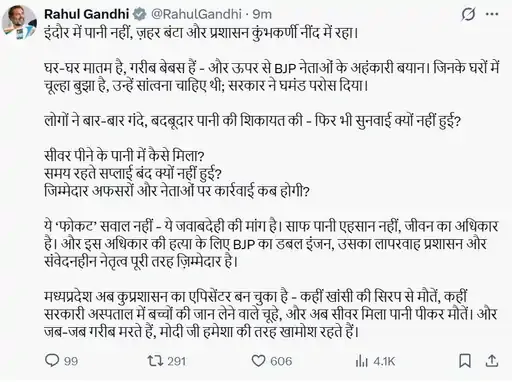
Leaders cutting across party lines, including Lok Sabha Leader of Opposition Rahul Gandhi, BSP chief Mayawati, SP president Akhilesh Yadav, AIMIM MP Asaduddin Owaisi and TMC MP Abhishek Banerjee, criticised the handling of the crisis and questioned how such an incident could occur in a city repeatedly ranked India’s cleanest.
Mayawati termed the deaths “extremely sad and shocking” and demanded strict action, while Shiv Sena (Uddhav faction) MP Priyanka Chaturvedi questioned discrepancies in the reported death toll and warned against suppression of facts.
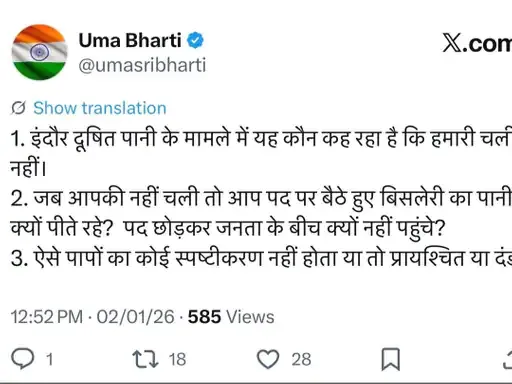
In contrast, senior Congress leaders in Madhya Pradesh, including former chief ministers Kamal Nath and Digvijaya Singh, have confined their response to social media posts targeting the BJP government and Urban Administration Minister Kailash Vijayvargiya. Neither has visited the affected areas so far.
Limited visits, online opposition
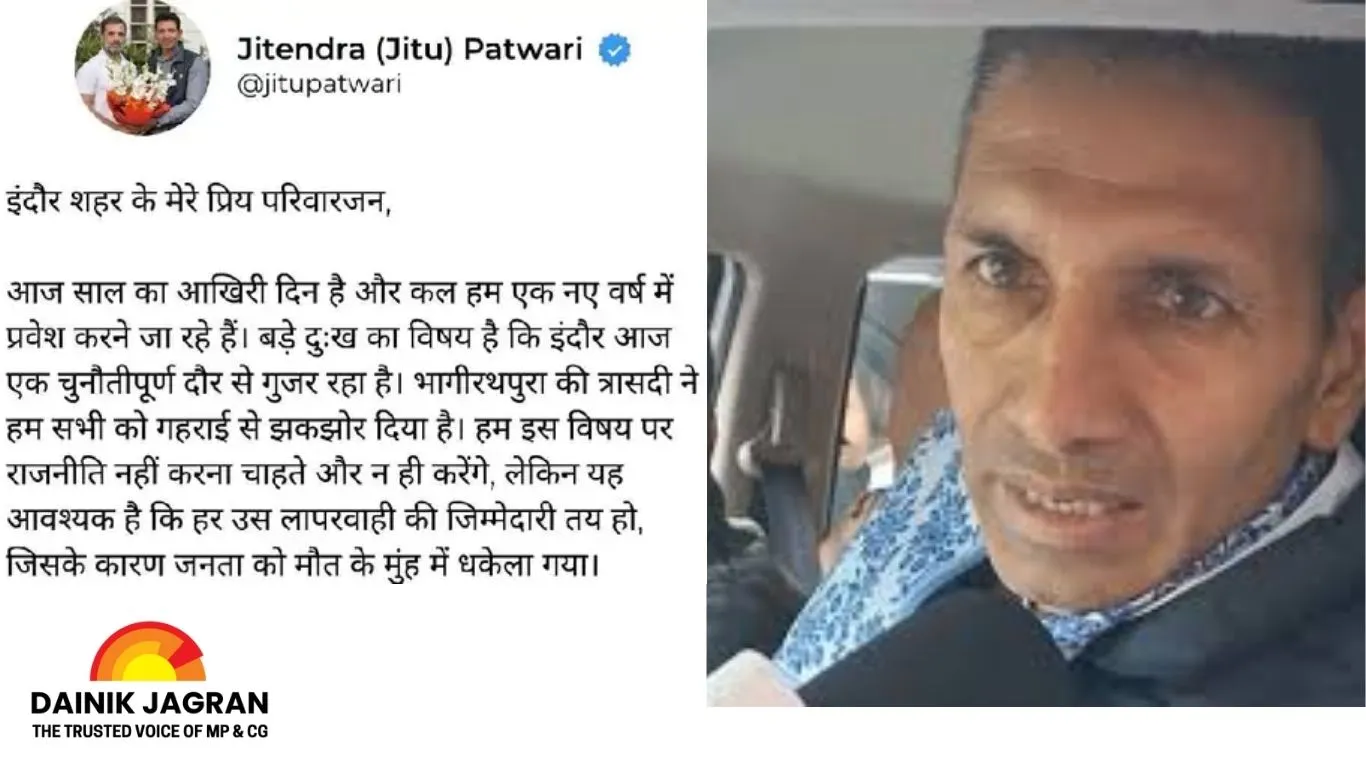
Madhya Pradesh Congress Committee president Jeetu Patwari, an MLA from Rau in Indore district, visited Bhagirathpura on December 30 and met families of the deceased. He accused the BJP of criminal negligence and warned of protests if accountability was not fixed. Since then, Patwari has largely focused on organisational programmes under the party’s ‘Booth Chalo, Gaon Chalo’ campaign.
Leader of Opposition Umang Singhar has also not visited Indore, restricting his response to social media statements alleging ignored complaints, pipeline contamination and administrative arrogance.
Government response and probe
The state government has attributed the contamination to technical failures and pipeline leakages. Minister Kailash Vijayvargiya and Indore Mayor Pushyamitra Bhargav visited affected localities after the situation escalated, while officials said corrective measures and investigations were underway.
With hospitals still crowded and public anger simmering, the focus has now shifted to fixing responsibility and ensuring safe water supply. As political pressure mounts, both the government’s response and the opposition’s ground-level engagement remain under close scrutiny.

Contaminated Water Crisis Claims 16 Lives in Indore; State Congress Leadership Absent on Ground Amid Political Firestorm
Digital Desk
The deaths, reported over the past week, are largely concentrated in Bhagirathpura and nearby localities, where residents complained of foul-smelling and discoloured water supplied through municipal pipelines. Hospitals across the city continue to treat patients suffering from severe gastroenteritis and other waterborne illnesses, keeping health authorities on high alert.
The crisis has drawn sharp reactions from political leaders at the national level, but the limited physical presence of the state Congress leadership in Indore has become a parallel point of debate.
National outrage, local vacuum
Leaders cutting across party lines, including Lok Sabha Leader of Opposition Rahul Gandhi, BSP chief Mayawati, SP president Akhilesh Yadav, AIMIM MP Asaduddin Owaisi and TMC MP Abhishek Banerjee, criticised the handling of the crisis and questioned how such an incident could occur in a city repeatedly ranked India’s cleanest.
Mayawati termed the deaths “extremely sad and shocking” and demanded strict action, while Shiv Sena (Uddhav faction) MP Priyanka Chaturvedi questioned discrepancies in the reported death toll and warned against suppression of facts.
In contrast, senior Congress leaders in Madhya Pradesh, including former chief ministers Kamal Nath and Digvijaya Singh, have confined their response to social media posts targeting the BJP government and Urban Administration Minister Kailash Vijayvargiya. Neither has visited the affected areas so far.
Limited visits, online opposition
Madhya Pradesh Congress Committee president Jeetu Patwari, an MLA from Rau in Indore district, visited Bhagirathpura on December 30 and met families of the deceased. He accused the BJP of criminal negligence and warned of protests if accountability was not fixed. Since then, Patwari has largely focused on organisational programmes under the party’s ‘Booth Chalo, Gaon Chalo’ campaign.
Leader of Opposition Umang Singhar has also not visited Indore, restricting his response to social media statements alleging ignored complaints, pipeline contamination and administrative arrogance.
Government response and probe
The state government has attributed the contamination to technical failures and pipeline leakages. Minister Kailash Vijayvargiya and Indore Mayor Pushyamitra Bhargav visited affected localities after the situation escalated, while officials said corrective measures and investigations were underway.
With hospitals still crowded and public anger simmering, the focus has now shifted to fixing responsibility and ensuring safe water supply. As political pressure mounts, both the government’s response and the opposition’s ground-level engagement remain under close scrutiny.
.jpg)




