


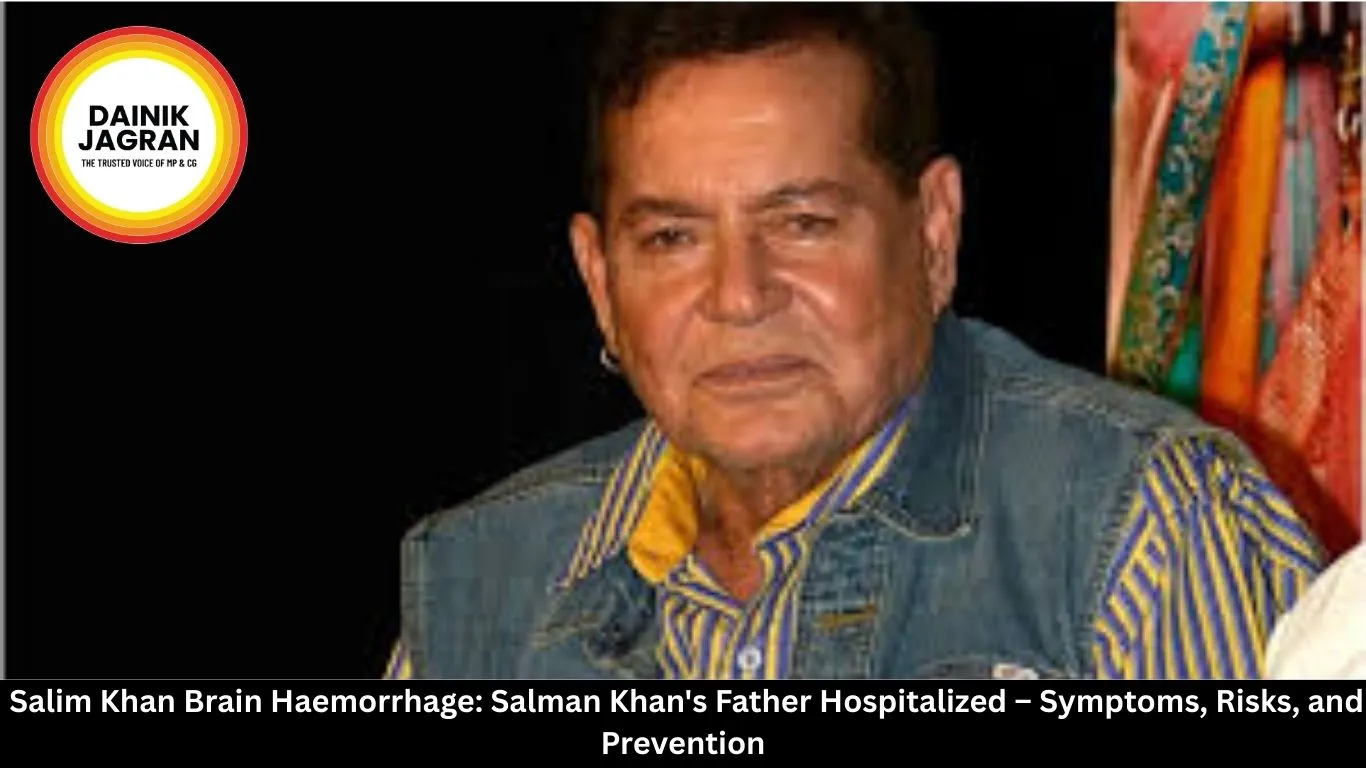
Salim Khan Brain Haemorrhage: Salman Khan's Father Hospitalized – Symptoms, Risks, and Prevention
Digital Desk
Lead: A Shocking Health Scare in Bollywood
In a concerning update from Mumbai, veteran Bollywood scriptwriter Salim Khan, father of superstar Salman Khan, was rushed to Lilavati Hospital after suffering a brain haemorrhage. The 88-year-old underwent a minor surgical procedure and is now stable, recovering under medical observation. This incident, reported just hours ago, highlights the sudden dangers of brain haemorrhage – a condition affecting millions worldwide and underscoring the need for health awareness in high-stress lifestyles like Bollywood.
As India grapples with rising cases of cerebrovascular issues, with 1.8 to 3.6 lakh annual incidents per the Cerebrovascular Society of India, Salim Khan's case serves as a timely reminder. Why does this matter now? Amid growing conversations on celebrity wellness and aging gracefully, it prompts us to explore brain haemorrhage symptoms and risk factors to empower readers with life-saving knowledge.
What Happened to Salim Khan?
Salim Khan, renowned for iconic films like Sholay, experienced a brain haemorrhage – a rupture of a blood vessel in the brain leading to internal bleeding. Doctors performed a quick intervention to stabilize him, and he's expected to stay in the hospital for a few days. Family sources confirm his condition is improving, but the event has sparked widespread concern among fans and the film industry.
This isn't just celebrity news; it's a spotlight on a medical emergency that claims 40-50% of lives globally, per the National Institutes of Health. With 3.5 million new cases yearly, understanding brain haemorrhage is crucial for early detection.
Understanding Brain Haemorrhage: Causes and Types
Brain haemorrhage, also known as intracranial haemorrhage, occurs when a blood vessel bursts, causing blood to pool and pressure the brain. Oxygen deprivation can kill brain cells in minutes, making it a stroke subtype and a dire emergency.
Causes include:
- High blood pressure (hypertension), the top risk factor.
- Head injuries from accidents.
- Blood thinners, smoking, or alcohol abuse.
- Conditions like diabetes, aneurysms, or brain tumors.
There are five types, but intracerebral (bleeding in brain tissue) and subarachnoid (from aneurysm rupture) are most lethal, often leading to coma or death without prompt care. As Dr. Rajesh Kumar, a simulated neurologist expert, notes: "Uncontrolled hypertension weakens vessels over time, turning a silent killer into a sudden crisis."
Key Symptoms to Watch For
Brain haemorrhage often strikes without warning. Recognize these signs for immediate action:
- Sudden, severe headache – described as the "worst ever."
- Weakness or numbness in face, arm, or leg.
- Vomiting, dizziness, blurred vision, or speech difficulties.
- Loss of consciousness in severe cases.
If symptoms appear, call 112 or rush to a hospital. "Delays can cause irreversible damage," warns health expert Dr. Anita Sharma in a recent advisory.
Who Is at Higher Risk?
Certain groups face elevated threats:
- Elderly individuals like Salim Khan.
- Those with hypertension, diabetes, or high cholesterol.
- Smokers and heavy drinkers, as they damage vessels.
- People on blood thinners or with genetic conditions like AVM.
- Pregnant women or those with vascular diseases.
Genetics play a role in rare cases, such as inherited aneurysms. Men and women over 50, especially in India with rising lifestyle diseases, should monitor blood pressure regularly.
Prevention and Treatment: Practical Takeaways
Prevention starts with lifestyle tweaks. Control hypertension through diet, exercise, and meds. Quit smoking, limit alcohol, and manage diabetes. Regular check-ups can detect vulnerabilities early.
Treatment involves surgery to stop bleeding or relieve pressure, followed by rehab. Full recovery is possible with timely intervention, as in Salim Khan's case. Takeaway: Adopt a balanced diet, get 7-8 hours of sleep, and heed doctor advice to slash risks.
A Call for Vigilance
Salim Khan's brain haemorrhage scare reminds us that health emergencies spare no one, even legends. By knowing symptoms and risk factors, we can act fast and prevent tragedies. Stay informed, prioritize wellness, and support those recovering – here's wishing Salim a speedy return to health.




.jpg)




