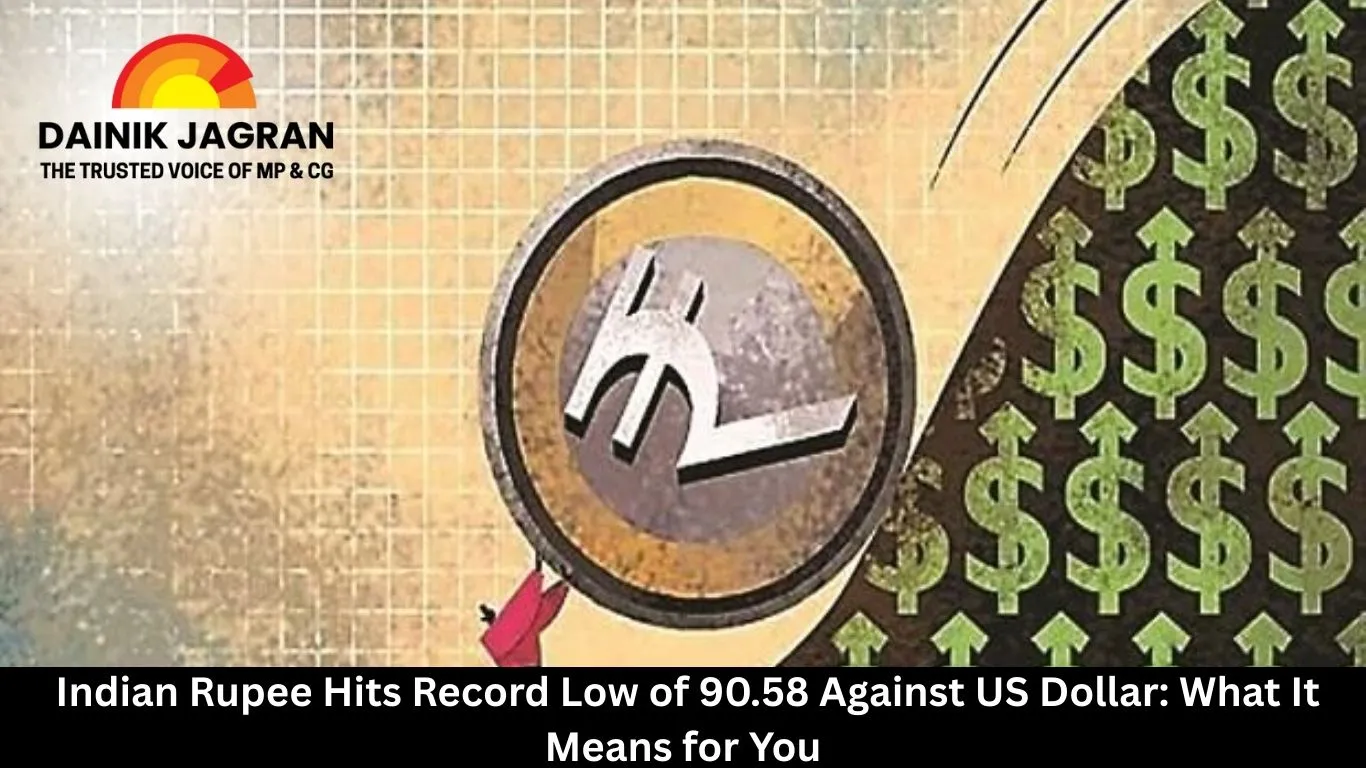
Indian Rupee Hits Record Low of 90.58 Against US Dollar: What It Means for You
Digital Desk
The Indian rupee crashes to a historic low of 90.58 per USD amid US tariffs, FII outflows, and weak RBI moves. Explore rising import costs, export woes, and RBI's next steps in this 2025 currency update.
In a shocking blow to India's economy, the rupee tumbled to an unprecedented low of 90.58 against the US dollar today, marking a fresh record amid relentless global pressures.
Just 32 minutes ago, the currency opened 9 paise weaker, extending its painful slide that has gripped investors and households alike. This isn't just a number on a screen—it's a wake-up call for anyone from students abroad to everyday shoppers facing steeper prices.
Looking back, the rupee's 2025 journey has been a rollercoaster of decline. It kicked off the year at a relatively stable 85.70 per dollar on January 1, but relentless selling by foreign investors has eroded over 5% of its value in months.
As per PTI reports, today's session highlighted the currency's vulnerability, with no quick rebound in sight. For the average Indian, this means your wallet feels lighter when buying imported goods or planning that overseas trip.
The fallout is already hitting hard. A depreciating rupee jacks up import costs, pushing up prices for everything from electronics to edible oils.
Travel and education abroad? Even tougher. Take Indian students in the US as an example: Back when the rupee hovered at 50 per dollar, snagging $1 cost just ₹50.
Now, at nearly ₹90.50, that same dollar demands nearly double—turning tuition, groceries, and rent into budget-busters. Families back home are recalculating dreams, while businesses scramble to offset rising overseas expenses.
So, what's fueling this nosedive? Experts point to three big culprits. First, the US's aggressive trade stance under President Donald Trump. His 50% tariffs on Indian imports are a double whammy: They're slashing export competitiveness, potentially trimming India's GDP growth by 60-80 basis points and bloating the fiscal deficit. Fewer exports mean less foreign cash flowing in, starving the rupee of support.
Second, foreign institutional investors (FIIs) are fleeing in droves. Since July 2025, they've dumped over ₹1.55 lakh crore in Indian stocks and bonds, spooked by tariff threats and global jitters. This mass exodus ramps up dollar demand as funds convert rupees to greenbacks, hammering the local currency.
Third, importers are hoarding dollars like never before. Oil giants and gold traders are hedging bets amid volatile prices, while others stockpile amid trade uncertainty. This steady dollar thirst keeps the pressure cooker on.
Adding salt to the wound, the Reserve Bank of India (RBI)'s usual playbook isn't working as well. LKP Securities' VP-Research Analyst Jatin Trivedi blames the lack of headway on a stalled India-US trade deal, with deadlines slipping like sand.
"Record metal and gold prices are inflating our import bill, while tariffs erode export edges," Trivedi told us. Crucially, RBI interventions—selling dollars from reserves to prop up the rupee—have been lighter this time, letting the slide accelerate.
With the RBI's policy reveal set for Friday, eyes are glued for bold moves to steady the ship. Technically, the rupee looks "deeply oversold," hinting at a possible bounce, but don't bet the farm yet.
At its core, a currency's fate ties to foreign exchange reserves. Strong dollar stockpiles keep the rupee firm for trade and payments; dips signal weakness, rises bring strength. India's reserves have held up, but outflows are testing limits.
As 2025 wraps, this rupee rout underscores global interconnectedness. For now, brace for pricier imports and watchful eyes on Washington and Mumbai. Stay tuned—tomorrow's trade could shift the tide.

--------
🚨 Beat the News Rush – Join Now!
Get breaking alerts, hot exclusives, and game-changing stories instantly on your phone. No delays, no fluff – just the edge you need. ⚡
Tap to join:
🟢 WhatsApp Channel: Dainik Jagran MP CG
Crave more?
🅕 Facebook: Dainik Jagran MP CG English
🅧 Twitter (X): Dainik Jagran MP CG
🅘 Instagram: Dainik Jagran MP CG
Share the fire – keep your crew ahead! 🗞️🔥
Indian Rupee Hits Record Low of 90.58 Against US Dollar: What It Means for You
Digital Desk
In a shocking blow to India's economy, the rupee tumbled to an unprecedented low of 90.58 against the US dollar today, marking a fresh record amid relentless global pressures.
Just 32 minutes ago, the currency opened 9 paise weaker, extending its painful slide that has gripped investors and households alike. This isn't just a number on a screen—it's a wake-up call for anyone from students abroad to everyday shoppers facing steeper prices.
Looking back, the rupee's 2025 journey has been a rollercoaster of decline. It kicked off the year at a relatively stable 85.70 per dollar on January 1, but relentless selling by foreign investors has eroded over 5% of its value in months.
As per PTI reports, today's session highlighted the currency's vulnerability, with no quick rebound in sight. For the average Indian, this means your wallet feels lighter when buying imported goods or planning that overseas trip.
The fallout is already hitting hard. A depreciating rupee jacks up import costs, pushing up prices for everything from electronics to edible oils.
Travel and education abroad? Even tougher. Take Indian students in the US as an example: Back when the rupee hovered at 50 per dollar, snagging $1 cost just ₹50.
Now, at nearly ₹90.50, that same dollar demands nearly double—turning tuition, groceries, and rent into budget-busters. Families back home are recalculating dreams, while businesses scramble to offset rising overseas expenses.
So, what's fueling this nosedive? Experts point to three big culprits. First, the US's aggressive trade stance under President Donald Trump. His 50% tariffs on Indian imports are a double whammy: They're slashing export competitiveness, potentially trimming India's GDP growth by 60-80 basis points and bloating the fiscal deficit. Fewer exports mean less foreign cash flowing in, starving the rupee of support.
Second, foreign institutional investors (FIIs) are fleeing in droves. Since July 2025, they've dumped over ₹1.55 lakh crore in Indian stocks and bonds, spooked by tariff threats and global jitters. This mass exodus ramps up dollar demand as funds convert rupees to greenbacks, hammering the local currency.
Third, importers are hoarding dollars like never before. Oil giants and gold traders are hedging bets amid volatile prices, while others stockpile amid trade uncertainty. This steady dollar thirst keeps the pressure cooker on.
Adding salt to the wound, the Reserve Bank of India (RBI)'s usual playbook isn't working as well. LKP Securities' VP-Research Analyst Jatin Trivedi blames the lack of headway on a stalled India-US trade deal, with deadlines slipping like sand.
"Record metal and gold prices are inflating our import bill, while tariffs erode export edges," Trivedi told us. Crucially, RBI interventions—selling dollars from reserves to prop up the rupee—have been lighter this time, letting the slide accelerate.
With the RBI's policy reveal set for Friday, eyes are glued for bold moves to steady the ship. Technically, the rupee looks "deeply oversold," hinting at a possible bounce, but don't bet the farm yet.
At its core, a currency's fate ties to foreign exchange reserves. Strong dollar stockpiles keep the rupee firm for trade and payments; dips signal weakness, rises bring strength. India's reserves have held up, but outflows are testing limits.
As 2025 wraps, this rupee rout underscores global interconnectedness. For now, brace for pricier imports and watchful eyes on Washington and Mumbai. Stay tuned—tomorrow's trade could shift the tide.