

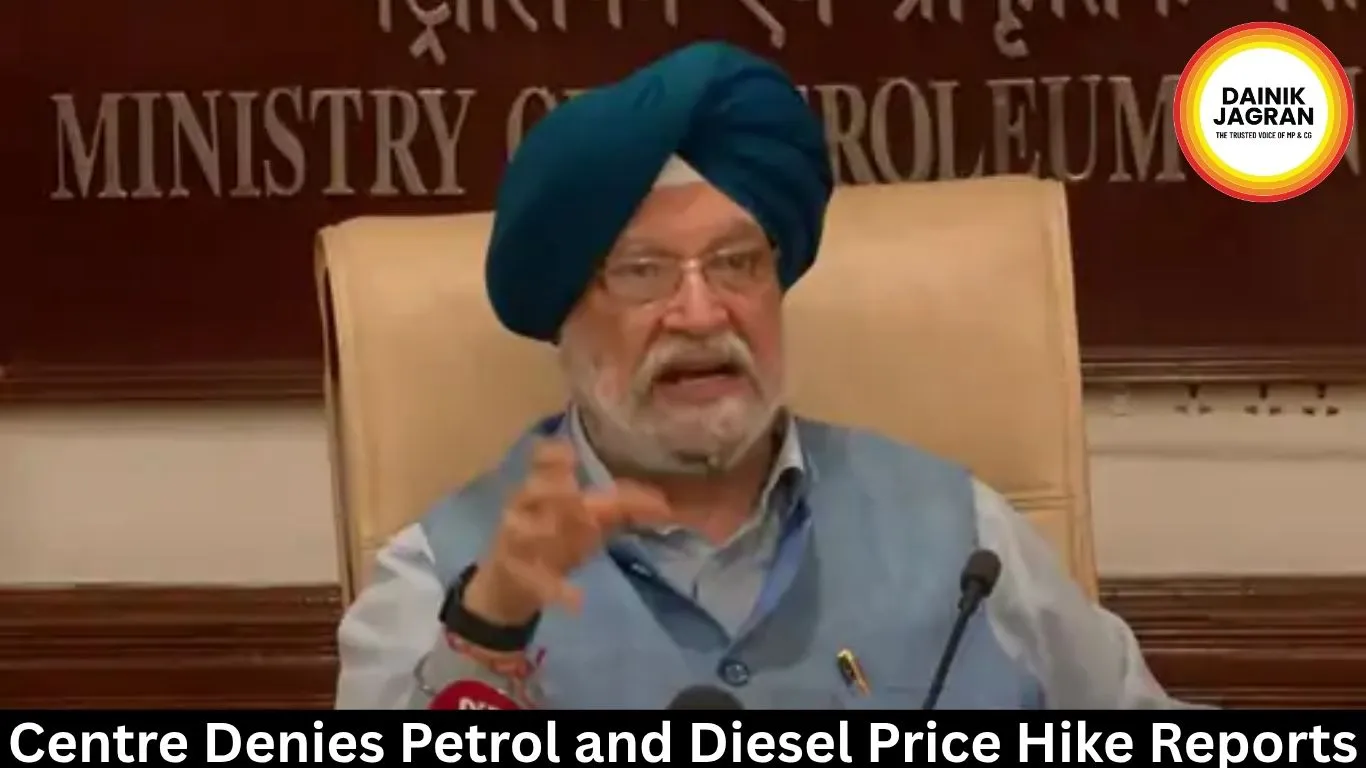
Centre Denies Petrol and Diesel Price Hike Reports
Digital Desk
Petroleum Ministry refutes claims of a petrol and diesel price hike after elections, asserting that domestic fuel rates remain stable despite global volatility.
Centre Refutes Fuel Price Hike Reports, Labels Claims ‘Mischievous’
Petroleum Ministry clarifies that there is no proposal to increase petrol and diesel prices, asserting that domestic rates remain unchanged despite global volatility.
The Ministry of Petroleum and Natural Gas on Thursday firmly dismissed media reports suggesting an impending hike in petrol and diesel prices following the conclusion of ongoing assembly elections. Labeling such claims as "mischievous and misleading," the ministry reiterated that there is no proposal currently under government consideration to revise retail fuel rates.
Govt Dismisses ‘Fake’ Reports
In a sharp rebuttal issued via social media, the ministry urged citizens to remain calm and warned against the dangers of unverified information. Officials stated that these reports are designed specifically to "create fear and panic" amongst the public. The government emphasized its commitment to protecting consumers from the inflationary impact of global energy fluctuations.
Stability Amidst Global Turbulence
While international crude oil prices have remained volatile due to heightened geopolitical tensions in West Asia—particularly surrounding the conflict involving Iran and disruptions in key maritime arteries—the Indian government has maintained retail price stability. According to official data, India stands as the only country to have kept petrol and diesel prices unchanged over the last four years, a feat attributed to the concerted efforts of the government and oil Public Sector Undertakings (PSUs).
Context of Market Speculation
The government’s clarification comes in response to a report by Kotak Institutional Equities, which had projected a potential increase of โน25 to โน28 per litre in domestic fuel prices. The brokerage had cited the mounting financial pressure on oil marketing companies, which are currently absorbing the difference between elevated global crude costs—hovering near $120 per barrel—and domestic pump prices. Analysts noted that while these companies are facing significant losses, the current pricing strategy remains a priority to shield the common man from sudden economic shocks.
Comparison with Global Peers
The contrast between India’s fuel pricing and international trends is stark. Reports indicate that many advanced and emerging economies have seen fuel prices surge by double digits this year. For instance, neighboring Pakistan has faced multiple steep hikes during the recent geopolitical crisis, with petrol and diesel prices reaching record highs. In contrast, Indian consumers continue to pay stable rates, with petrol retailing at approximately โน94–โน95 per litre in the national capital.
Government’s Insulation Strategy
To maintain this stability, the central government has employed various policy tools, including excise duty cuts and the reinstatement of windfall taxes on exports. These measures have allowed the state-run oil marketing companies to absorb the brunt of international price spikes. Sources indicate that this "price smoothing" mechanism is a deliberate move to ensure that domestic inflation remains under control during the election season and beyond.
What Lies Ahead
For now, the government has maintained its stance that there is no immediate plan for a price revision. However, experts warn that the long-term sustainability of this freeze depends heavily on the trajectory of global crude oil markets. As long as geopolitical tensions persist and crude prices remain elevated, the spotlight will remain on how the government balances the fiscal health of oil companies against its commitment to protecting the public from a petrol and diesel price hike.
--------
๐จ Beat the News Rush โ Join Now!
Get breaking alerts, hot exclusives, and game-changing stories instantly on your phone. No delays, no fluff โ just the edge you need. โก
Tap to join:ย
๐ข WhatsApp Channel: Dainik Jagran MP CG
Crave more?
๐ Facebook: Dainik Jagran MP CG English
๐ ง Twitter (X): Dainik Jagran MP CG
๐ Instagram: Dainik Jagran MP CG
Share the fire โ keep your crew ahead! ๐๏ธ๐ฅ
Centre Denies Petrol and Diesel Price Hike Reports
Digital Desk
Centre Refutes Fuel Price Hike Reports, Labels Claims ‘Mischievous’
Petroleum Ministry clarifies that there is no proposal to increase petrol and diesel prices, asserting that domestic rates remain unchanged despite global volatility.
The Ministry of Petroleum and Natural Gas on Thursday firmly dismissed media reports suggesting an impending hike in petrol and diesel prices following the conclusion of ongoing assembly elections. Labeling such claims as "mischievous and misleading," the ministry reiterated that there is no proposal currently under government consideration to revise retail fuel rates.
Govt Dismisses ‘Fake’ Reports
In a sharp rebuttal issued via social media, the ministry urged citizens to remain calm and warned against the dangers of unverified information. Officials stated that these reports are designed specifically to "create fear and panic" amongst the public. The government emphasized its commitment to protecting consumers from the inflationary impact of global energy fluctuations.
Stability Amidst Global Turbulence
While international crude oil prices have remained volatile due to heightened geopolitical tensions in West Asia—particularly surrounding the conflict involving Iran and disruptions in key maritime arteries—the Indian government has maintained retail price stability. According to official data, India stands as the only country to have kept petrol and diesel prices unchanged over the last four years, a feat attributed to the concerted efforts of the government and oil Public Sector Undertakings (PSUs).
Context of Market Speculation
The government’s clarification comes in response to a report by Kotak Institutional Equities, which had projected a potential increase of โน25 to โน28 per litre in domestic fuel prices. The brokerage had cited the mounting financial pressure on oil marketing companies, which are currently absorbing the difference between elevated global crude costs—hovering near $120 per barrel—and domestic pump prices. Analysts noted that while these companies are facing significant losses, the current pricing strategy remains a priority to shield the common man from sudden economic shocks.
Comparison with Global Peers
The contrast between India’s fuel pricing and international trends is stark. Reports indicate that many advanced and emerging economies have seen fuel prices surge by double digits this year. For instance, neighboring Pakistan has faced multiple steep hikes during the recent geopolitical crisis, with petrol and diesel prices reaching record highs. In contrast, Indian consumers continue to pay stable rates, with petrol retailing at approximately โน94–โน95 per litre in the national capital.
Government’s Insulation Strategy
To maintain this stability, the central government has employed various policy tools, including excise duty cuts and the reinstatement of windfall taxes on exports. These measures have allowed the state-run oil marketing companies to absorb the brunt of international price spikes. Sources indicate that this "price smoothing" mechanism is a deliberate move to ensure that domestic inflation remains under control during the election season and beyond.
What Lies Ahead
For now, the government has maintained its stance that there is no immediate plan for a price revision. However, experts warn that the long-term sustainability of this freeze depends heavily on the trajectory of global crude oil markets. As long as geopolitical tensions persist and crude prices remain elevated, the spotlight will remain on how the government balances the fiscal health of oil companies against its commitment to protecting the public from a petrol and diesel price hike.


