


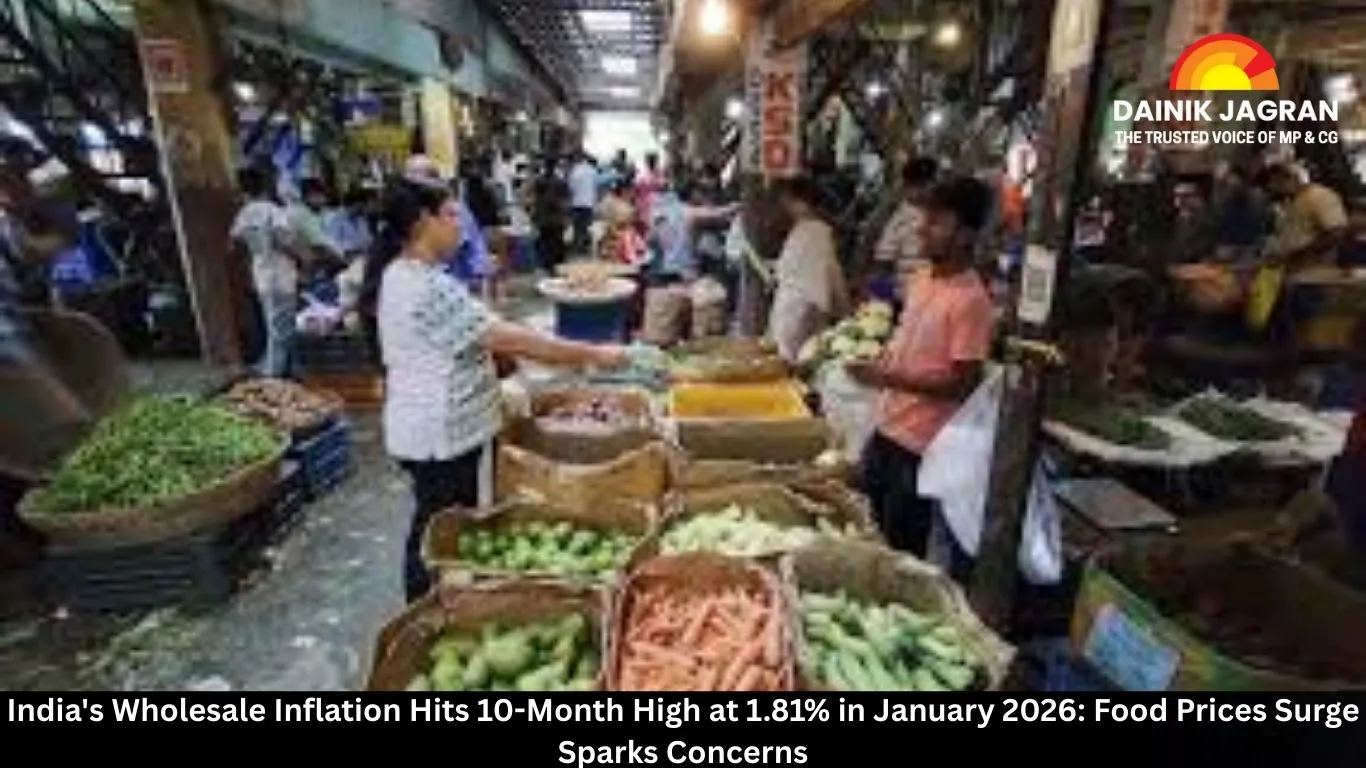
India's Wholesale Inflation Hits 10-Month High at 1.81% in January 2026: Food Prices Surge Sparks Concerns
Digital Desk
India's wholesale inflation jumped to a 10-month high of 1.81% in January 2026, up from 0.83% in December, as per the latest data from the Commerce Ministry released on February 16. This spike, the highest since March 2025's 2.05%, is largely fueled by a sharp rise in food and beverage prices, raising alarms for consumers and businesses alike.
Driven by everyday essentials turning costlier, this development comes amid global supply chain pressures and seasonal factors. With retail inflation also climbing to an 8-month high of 2.75% in January from 1.33% prior, households feel the pinch directly. Here's a breakdown of the key drivers and what it means now.
Key Drivers Behind India's Wholesale Inflation Spike
Wholesale Price Index (WPI) tracks prices at the producer level across three main components:
-
Primary Articles (22.62% weightage): Inflation here soared from 0.21% to 2.21%. Food index jumped from -0.43% to 1.55%, with grains, wheat, and vegetables leading the food prices surge.
-
Fuel and Power (13.15% weightage): Eased slightly to -4.01% from -2.31%, offering some relief amid volatile crude petroleum prices.
-
Manufactured Products (64.23% weightage): Rose from 1.82% to 2.86%, hitting metals, chemicals, plastics, and rubber hardest.
Non-food items like oil seeds and minerals added to the pressure under primary articles.
WPI vs Retail Inflation: What's the Difference?
India measures inflation via two gauges:
-
Wholesale Price Index (WPI): Focuses on trader-to-trader prices. Food holds 22.62%, manufactured goods 64.23%, fuel 13.15%.
-
Consumer Price Index (CPI): Reflects consumer costs, with food at 45.86% and housing at 10.07%.
High WPI often signals future CPI rises, as producers pass costs to buyers.
Real Impact on Common People and Economy
Prolonged high India's wholesale inflation hurts productive sectors like farming and manufacturing. Daily necessities—think rice, veggies, and oils—are pricier at wholesale, trickling to retail shelves soon.
-
Consumer Hit: Grocery bills up; example, food prices surge adds 1-2% to monthly spends for middle-class families.
-
Business Strain: Manufacturers face higher input costs, squeezing margins.
-
Government Moves: Past tactics like excise duty cuts on fuel helped, but options are limited for food-driven WPI inflation.
Experts like economist Dr. Rajesh Sharma note, "This 10-month high in WPI inflation warns of sticky inflation if monsoons falter or global commodity prices rise. RBI may hold rates steady."
Why This Matters Right Now
As India navigates post-festive demand and budget season, this WPI inflation trend tests economic resilience. With elections looming in states like Madhya Pradesh, rising costs could fuel public discontent. Track grocery prices weekly—opt for local staples to hedge.
In conclusion, January's 1.81% print underscores food vulnerability in India's wholesale inflation story. Stay informed as February data drops soon. Policymakers must act swiftly to shield growth.

.jpg)




