


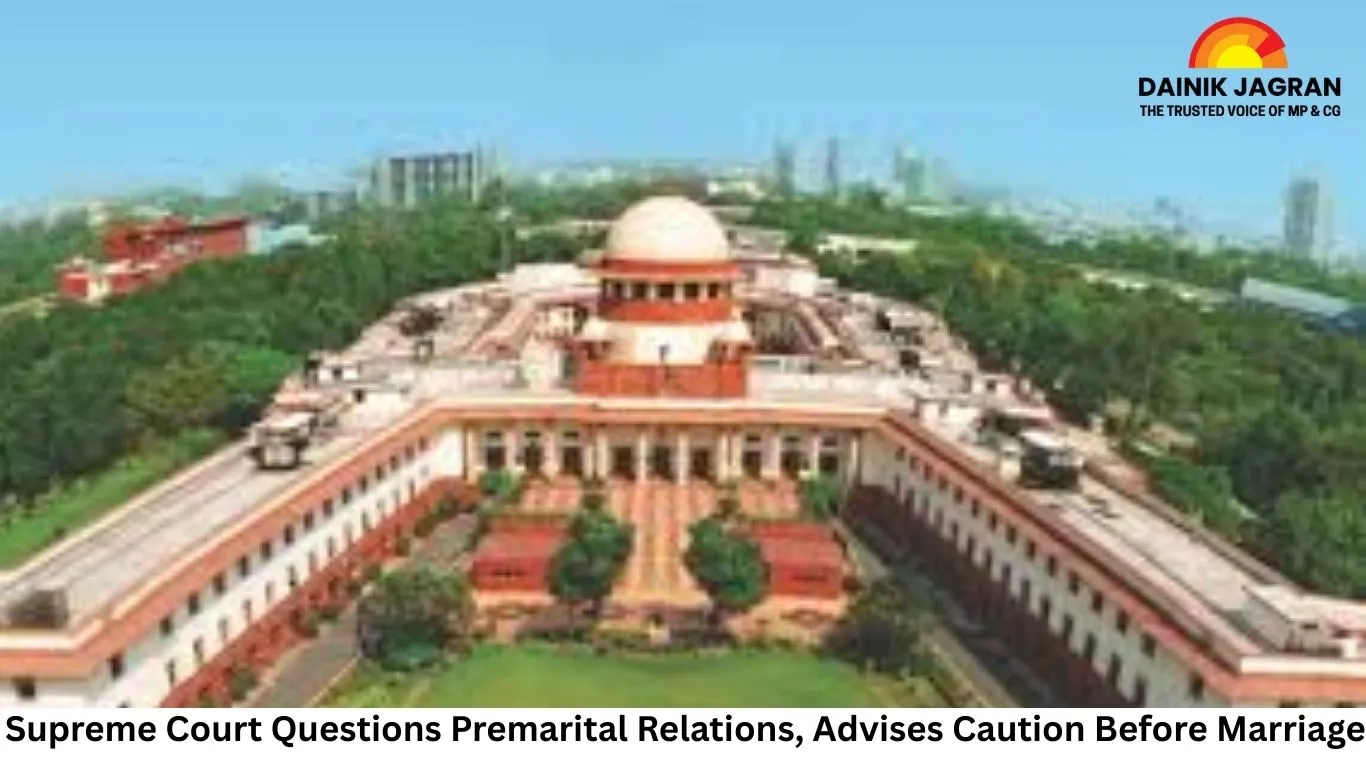
Supreme Court Questions Premarital Relations, Advises Caution Before Marriage
Digital Desk
The observation came during the hearing of a bail plea of a man accused of engaging in physical relations with a woman on the assurance of marriage. The accused, who was already married at the time, later entered into another marriage, prompting the legal dispute.
The hearing took place in the Supreme Court of India on Monday, February 16, 2026, with Justices B.V. Nagarathna and Ujjal Bhuyan presiding over the case.
Justice Nagarathna expressed surprise at the notion of premarital physical intimacy, stating, “Maybe we are old-fashioned, but before marriage, a boy and a girl are strangers. You should be very careful. One should not trust anyone before marriage.” The remarks highlighted the court’s perspective on personal boundaries and trust in the context of marital promises.
During the proceedings, the bench questioned the circumstances under which the accused and the complainant engaged in physical relations, emphasizing the need for caution and awareness of legal and moral responsibilities. The Supreme Court’s comments, while not part of the judgment, underscored its concern regarding deceptive promises and potential exploitation in premarital contexts.
The case pertains to allegations of rape under the pretext of marriage, a sensitive legal issue that has been the subject of increasing scrutiny in Indian courts. The accused’s existing marital status and subsequent marriage to another woman intensified the legal complications and public interest. Indian law recognizes the gravity of promises of marriage used to obtain consent, and courts often weigh trust, consent, and deception when adjudicating such cases.
The Supreme Court’s remarks may influence ongoing debates on premarital consent, trust, and the legal responsibilities associated with promises of marriage. Legal experts suggest that while the comments reflect caution, each case will continue to be evaluated on its specific facts, evidence, and statutory provisions. The bench is expected to examine the bail plea and related charges in the coming hearings.
The observations also underscore broader societal discussions on premarital relationships, consent, and legal protections for individuals in situations involving promises of marriage and potential exploitation.
.jpg)




