Pakistan Hikes Fuel Prices Again: Petrol Up by Rs 4.93/Litre, Diesel Rises to Rs 367.21

Digital Desk

Pakistan Hikes Fuel Prices Again: Petrol Up by Rs 4.93/Litre, Diesel Rises to Rs 367.21

Pakistan has increased petrol and diesel prices once again, with the revised rates taking effect from July 22. The government has also shifted to a daily fuel pricing mechanism, a move opposed by petroleum dealers amid concerns over inflation and transport costs.

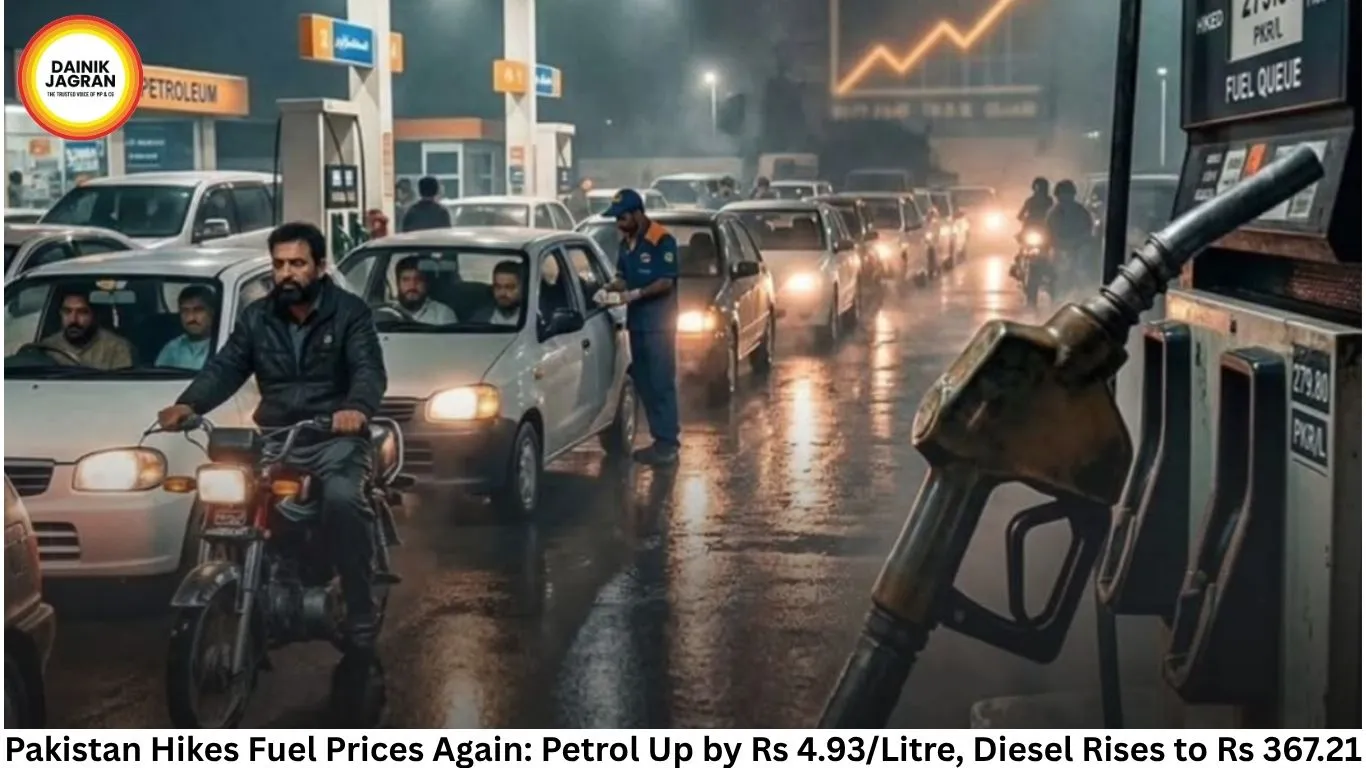
Pakistan has once again raised fuel prices, increasing the cost of petrol by Rs 4.93 per litre and High-Speed Diesel (HSD) by Rs 7.15 per litre. The revised prices came into effect on July 22, adding fresh pressure on consumers already grappling with high living costs.

Following the latest revision, petrol is now priced at Rs 320.73 per litre, while High-Speed Diesel has climbed to Rs 367.21 per litre. The increase comes as the government adjusts domestic fuel prices in response to fluctuations in the international crude oil market.

Daily Pricing System Introduced

In a major policy shift, Pakistan has moved from a weekly fuel pricing mechanism to a daily pricing system. Petroleum Minister Ali Pervez Malik said the decision was taken to ensure domestic prices better reflect rapid changes in global oil markets.

Officials believe the new system will allow quicker adjustments and reduce the financial burden caused by volatile international crude prices. However, the move has sparked criticism from fuel retailers.

Dealers Oppose Government Decision

The All Pakistan Dealers Association has strongly opposed the daily pricing mechanism, arguing that constant price revisions will create uncertainty for fuel station operators and consumers alike.

The association has warned that it could organize protests if the government does not reconsider the policy.

Prices Still Below April Peak

Despite the latest increase, fuel prices remain well below the record highs witnessed earlier this year during heightened geopolitical tensions in West Asia.

Diesel had surged to Rs 520.35 per litre in early April after the escalation of the US-Iran conflict, while petrol had climbed to Rs 458.41 per litre during the same period. Since then, easing global crude prices have brought some relief, although the latest hike indicates renewed upward pressure.

Impact on Consumers and Inflation

The increase is expected to hit Pakistan's middle and lower-income households the hardest. Petrol is widely used in motorcycles, private cars, taxis and auto-rickshaws, making it a direct expense for millions of commuters.

Higher diesel prices could have an even broader economic impact. Diesel powers trucks, buses, agricultural machinery, power generators and industrial equipment, meaning transport and logistics costs are likely to rise. Economists warn this could push up food prices and overall inflation in the coming weeks.

Fuel Revenue Remains Crucial

Pakistan consumes an estimated 700,000 to 800,000 tonnes of petrol and diesel every month, while kerosene demand remains comparatively low. Fuel taxes and levies continue to be a significant source of government revenue, making petroleum pricing an important fiscal tool.

With the introduction of daily revisions, consumers, transport operators and businesses may now face more frequent fluctuations in fuel costs, increasing uncertainty over household budgets and operating expenses.


--------

🚨 Beat the News Rush – Join Now!

Get breaking alerts, hot exclusives, and game-changing stories instantly on your phone. No delays, no fluff – just the edge you need. ⚡

Tap to join: 

🟢 WhatsApp Channel: Dainik Jagran MP CG

Crave more?

🅕 Facebook: Dainik Jagran MP CG English

🅧 Twitter (X): Dainik Jagran MP CG

🅘 Instagram: Dainik Jagran MP CG

Share the fire – keep your crew ahead! 🗞️🔥

english.dainikjagranmpcg.com
22 Jul 2026 By Rishita

Pakistan Hikes Fuel Prices Again: Petrol Up by Rs 4.93/Litre, Diesel Rises to Rs 367.21

Digital Desk

Pakistan has once again raised fuel prices, increasing the cost of petrol by Rs 4.93 per litre and High-Speed Diesel (HSD) by Rs 7.15 per litre. The revised prices came into effect on July 22, adding fresh pressure on consumers already grappling with high living costs.

Following the latest revision, petrol is now priced at Rs 320.73 per litre, while High-Speed Diesel has climbed to Rs 367.21 per litre. The increase comes as the government adjusts domestic fuel prices in response to fluctuations in the international crude oil market.

Daily Pricing System Introduced

In a major policy shift, Pakistan has moved from a weekly fuel pricing mechanism to a daily pricing system. Petroleum Minister Ali Pervez Malik said the decision was taken to ensure domestic prices better reflect rapid changes in global oil markets.

Officials believe the new system will allow quicker adjustments and reduce the financial burden caused by volatile international crude prices. However, the move has sparked criticism from fuel retailers.

Dealers Oppose Government Decision

The All Pakistan Dealers Association has strongly opposed the daily pricing mechanism, arguing that constant price revisions will create uncertainty for fuel station operators and consumers alike.

The association has warned that it could organize protests if the government does not reconsider the policy.

Prices Still Below April Peak

Despite the latest increase, fuel prices remain well below the record highs witnessed earlier this year during heightened geopolitical tensions in West Asia.

Diesel had surged to Rs 520.35 per litre in early April after the escalation of the US-Iran conflict, while petrol had climbed to Rs 458.41 per litre during the same period. Since then, easing global crude prices have brought some relief, although the latest hike indicates renewed upward pressure.

Impact on Consumers and Inflation

The increase is expected to hit Pakistan's middle and lower-income households the hardest. Petrol is widely used in motorcycles, private cars, taxis and auto-rickshaws, making it a direct expense for millions of commuters.

Higher diesel prices could have an even broader economic impact. Diesel powers trucks, buses, agricultural machinery, power generators and industrial equipment, meaning transport and logistics costs are likely to rise. Economists warn this could push up food prices and overall inflation in the coming weeks.

Fuel Revenue Remains Crucial

Pakistan consumes an estimated 700,000 to 800,000 tonnes of petrol and diesel every month, while kerosene demand remains comparatively low. Fuel taxes and levies continue to be a significant source of government revenue, making petroleum pricing an important fiscal tool.

With the introduction of daily revisions, consumers, transport operators and businesses may now face more frequent fluctuations in fuel costs, increasing uncertainty over household budgets and operating expenses.

https://english.dainikjagranmpcg.com/international/pakistan-hikes-fuel-prices-again-petrol-up-by-rs-493litre/article-23162

Related Posts

Trending News