

But heritage is not always carved in stone or preserved behind glass. Sometimes, it is delicate, transient, and meant to be experienced in the moment. This lesser-explored dimension of cultural storytelling finds a remarkable voice in the work of Prachi Dhabal Deb, who transforms sugar into a medium of memory, crafting creations that are as fleeting as they are meaningful.
An internationally celebrated cultural artist, Prachi has earned the title of India’s “Queen of Royal Icing,” a recognition that reflects both her technical brilliance and her unique artistic perspective. Royal icing is an exacting craft—demanding precision, patience, and a steady hand. Every detail must be intentional, every stroke deliberate. Yet, in her hands, this intricate technique evolves into something far greater than decoration. Her creations take on an almost architectural presence, turning cakes into immersive narratives layered with cultural significance.
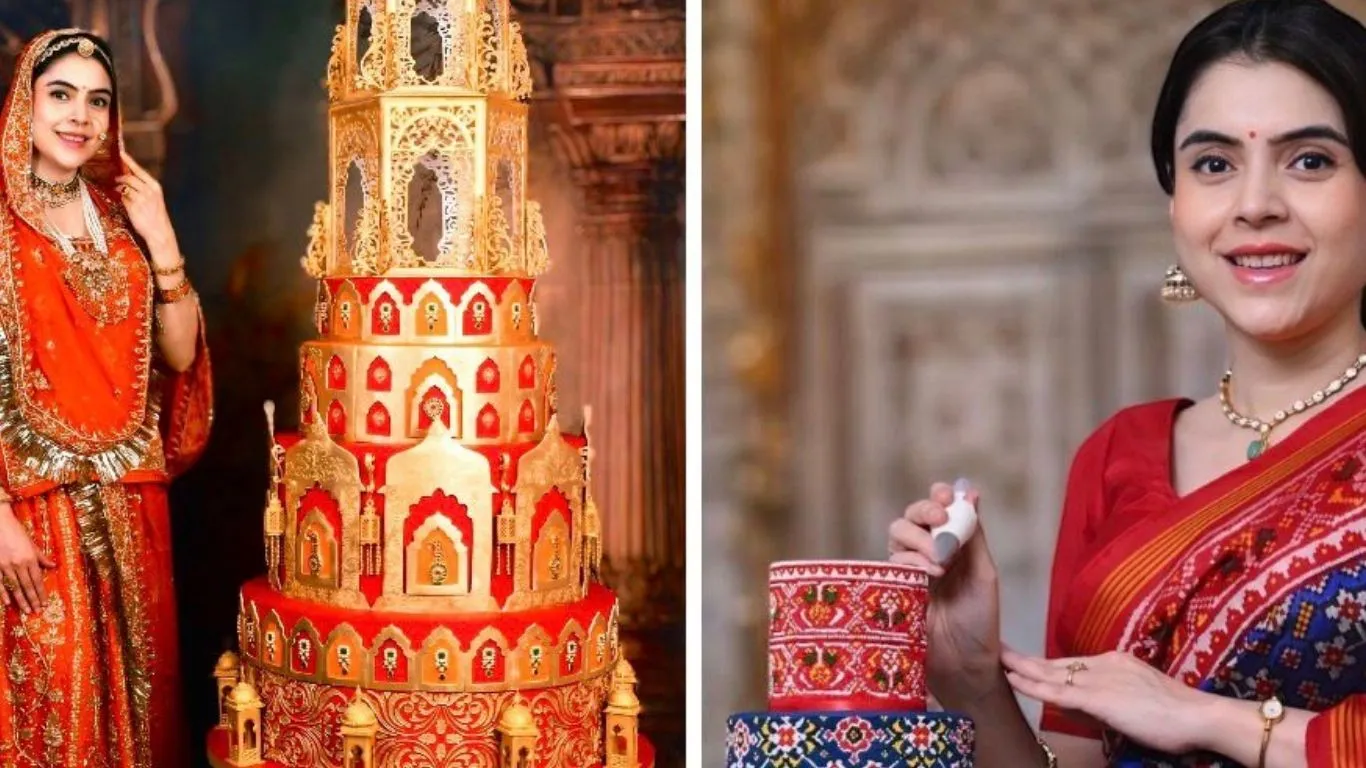
What truly distinguishes her work is the purpose that drives it. Over the years, Prachi has drawn deeply from India’s rich and diverse cultural heritage, creating edible interpretations inspired by states like Gujarat, Tamil Nadu, Rajasthan, and West Bengal. Each piece is not just a visual representation but an emotional and cultural translation of place.
The regal elegance of Rajasthan emerges through intricate patterns reminiscent of palace jaalis and royal motifs. Gujarat’s vibrant identity comes alive in designs inspired by traditional textiles like patola, echoing its dynamic artistic heritage. Her work inspired by Tamil Nadu reflects symmetry and devotion, with elements like the Annapakshi diya reimagined with quiet precision. Meanwhile, West Bengal’s artistic and literary soul is expressed through softer, more nuanced designs that carry an understated grace.
Prachi’s approach goes beyond replication—she interprets. She distills the essence of each culture and reimagines it through texture, detail, and form. In doing so, she invites viewers to slow down and engage deeply with her work. In an era defined by fast consumption, her creations demand patience, observation, and appreciation.
Her journey into this niche art form is as compelling as the work itself. With an academic background in finance, Prachi did not begin her career in the creative arts. However, her passion for intricate design led her to train in royal icing techniques in the United Kingdom. There, she honed her craft and developed a distinctive style that would later earn her global acclaim. Continuously evolving, she has even introduced a vegan adaptation of royal icing—blending traditional European methods with contemporary sensibilities.
Today, her work has garnered international recognition, including multiple world records and prestigious accolades. But beyond the honors lies a deeper impact. Her creations bridge art and heritage, tradition and innovation, reminding us that culture is not static—it evolves, adapts, and finds new forms of expression.
On World Heritage Day, her work serves as a powerful reminder that preservation is not only about safeguarding the past but also about reinterpreting it for the present. Through the delicate artistry of royal icing and the grandeur of her edible creations, Prachi Dhabal Deb celebrates India’s cultural richness in a way that is both contemporary and timeless—crafted with intention, experienced in the moment, and remembered long after it is gone.

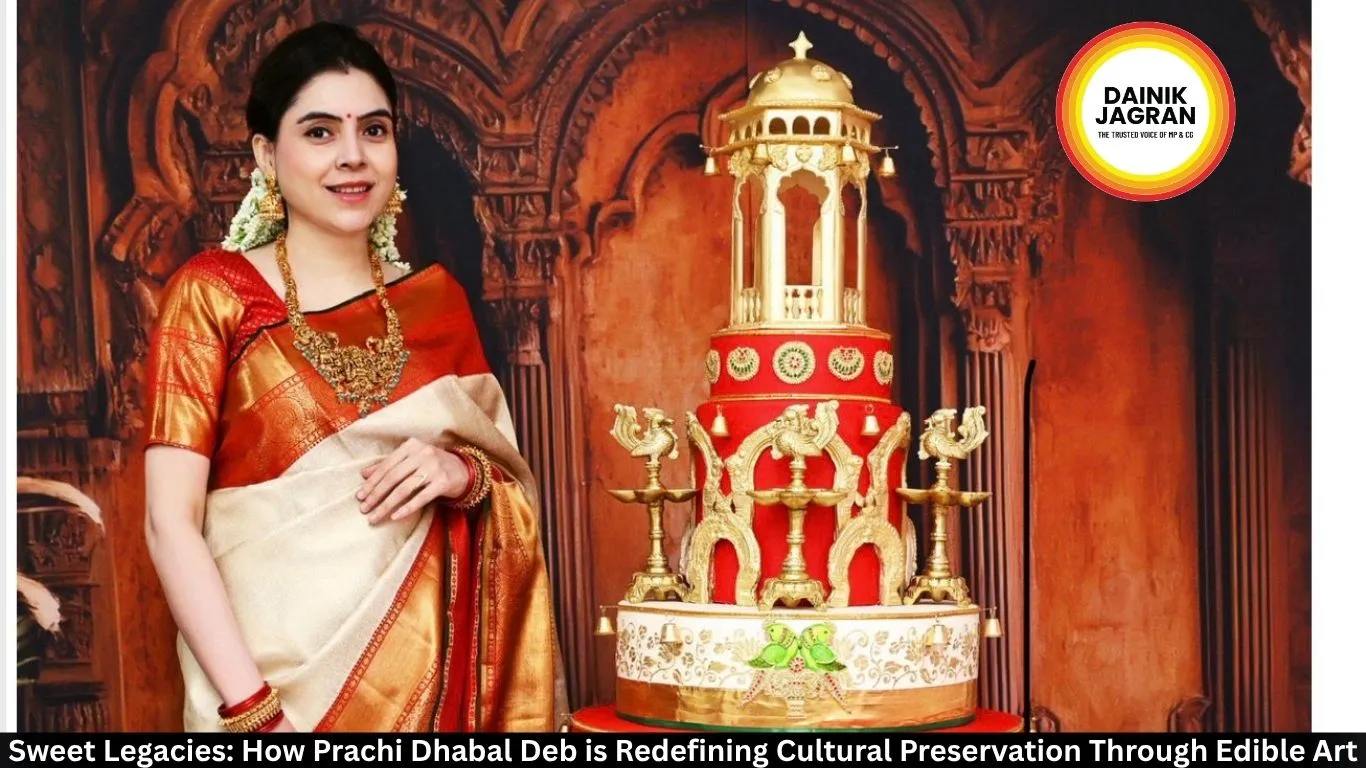
Sweet Legacies: How Prachi Dhabal Deb is Redefining Cultural Preservation Through Edible Art
Digital Desk
But heritage is not always carved in stone or preserved behind glass. Sometimes, it is delicate, transient, and meant to be experienced in the moment. This lesser-explored dimension of cultural storytelling finds a remarkable voice in the work of Prachi Dhabal Deb, who transforms sugar into a medium of memory, crafting creations that are as fleeting as they are meaningful.
An internationally celebrated cultural artist, Prachi has earned the title of India’s “Queen of Royal Icing,” a recognition that reflects both her technical brilliance and her unique artistic perspective. Royal icing is an exacting craft—demanding precision, patience, and a steady hand. Every detail must be intentional, every stroke deliberate. Yet, in her hands, this intricate technique evolves into something far greater than decoration. Her creations take on an almost architectural presence, turning cakes into immersive narratives layered with cultural significance.
What truly distinguishes her work is the purpose that drives it. Over the years, Prachi has drawn deeply from India’s rich and diverse cultural heritage, creating edible interpretations inspired by states like Gujarat, Tamil Nadu, Rajasthan, and West Bengal. Each piece is not just a visual representation but an emotional and cultural translation of place.
The regal elegance of Rajasthan emerges through intricate patterns reminiscent of palace jaalis and royal motifs. Gujarat’s vibrant identity comes alive in designs inspired by traditional textiles like patola, echoing its dynamic artistic heritage. Her work inspired by Tamil Nadu reflects symmetry and devotion, with elements like the Annapakshi diya reimagined with quiet precision. Meanwhile, West Bengal’s artistic and literary soul is expressed through softer, more nuanced designs that carry an understated grace.
Prachi’s approach goes beyond replication—she interprets. She distills the essence of each culture and reimagines it through texture, detail, and form. In doing so, she invites viewers to slow down and engage deeply with her work. In an era defined by fast consumption, her creations demand patience, observation, and appreciation.
Her journey into this niche art form is as compelling as the work itself. With an academic background in finance, Prachi did not begin her career in the creative arts. However, her passion for intricate design led her to train in royal icing techniques in the United Kingdom. There, she honed her craft and developed a distinctive style that would later earn her global acclaim. Continuously evolving, she has even introduced a vegan adaptation of royal icing—blending traditional European methods with contemporary sensibilities.
Today, her work has garnered international recognition, including multiple world records and prestigious accolades. But beyond the honors lies a deeper impact. Her creations bridge art and heritage, tradition and innovation, reminding us that culture is not static—it evolves, adapts, and finds new forms of expression.
On World Heritage Day, her work serves as a powerful reminder that preservation is not only about safeguarding the past but also about reinterpreting it for the present. Through the delicate artistry of royal icing and the grandeur of her edible creations, Prachi Dhabal Deb celebrates India’s cultural richness in a way that is both contemporary and timeless—crafted with intention, experienced in the moment, and remembered long after it is gone.




.jpg)




