

UGC Anti-Discrimination Rules 2026: A Closer Look at Campus Equity and Backlash
Digital Desk
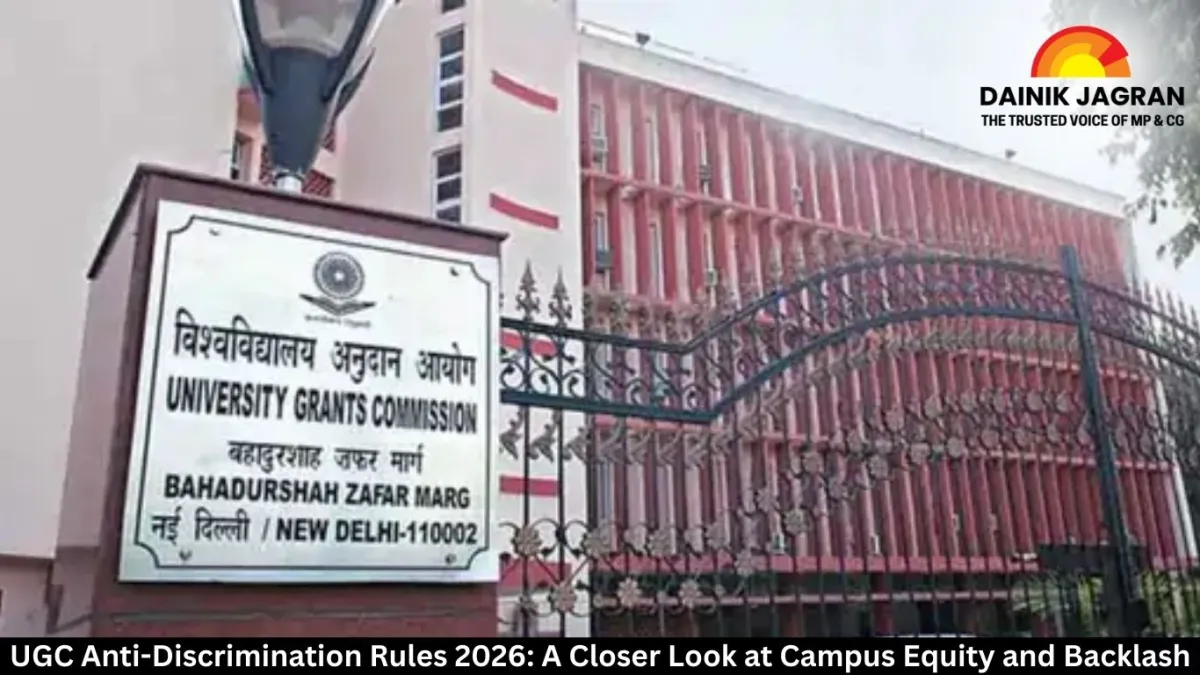
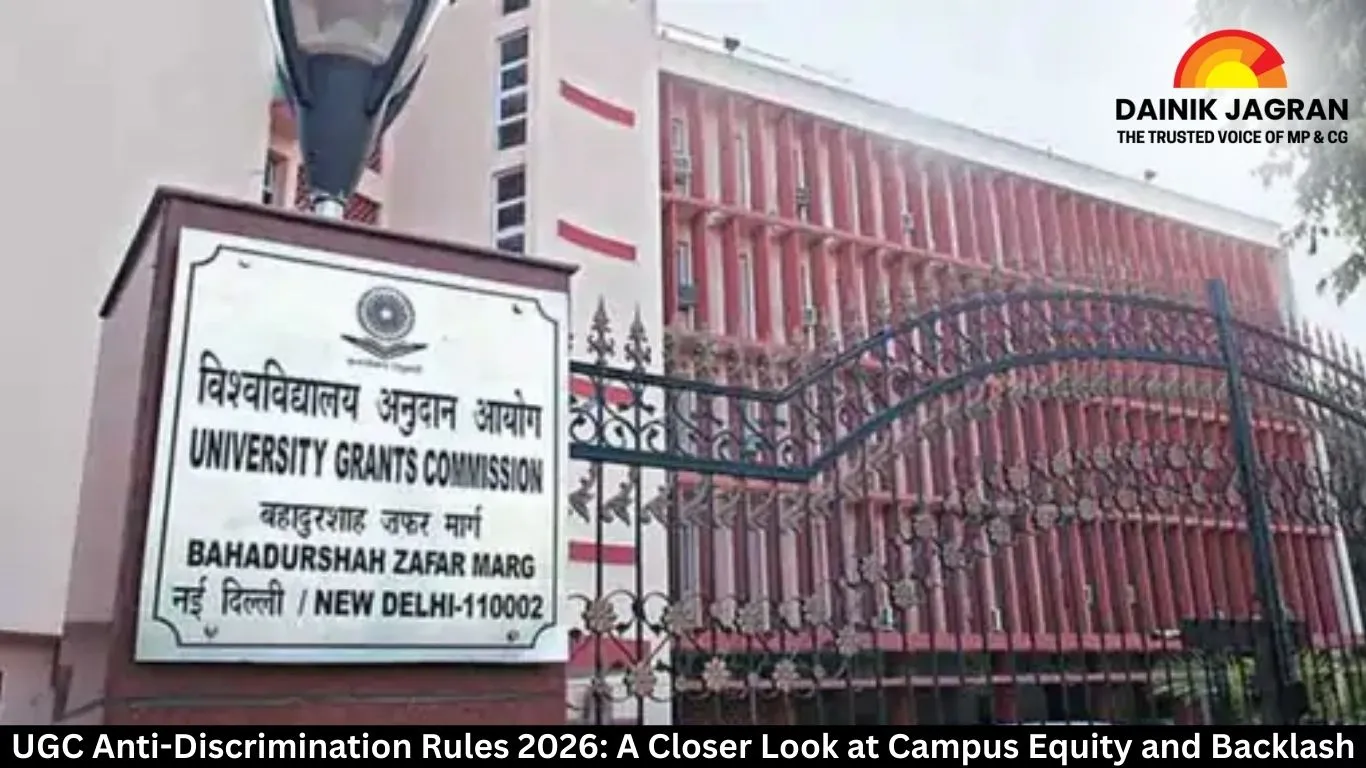
A bold new set of national regulations designed to stamp out caste-based discrimination on college campuses has ignited a fiery debate about fairness, implementation, and potential unintended consequences. The University Grants Commission's (Promotion of Equity in Higher Education Institutions) Regulations, 2026, which came into force this month, mandate sweeping institutional changes but are now facing significant pushback from sections of students and academics.
The regulations were born from tragedy and judicial direction. They follow Supreme Court orders issued during hearings on petitions filed by the families of Rohith Vemula and Payal Tadvi, students who died by suicide after alleged caste-based harassment. Data submitted by the UGC itself shows a worrying 118.4% increase in reported cases of caste-based discrimination over the past five years, rising from 173 in 2019-20 to 378 in 2023-24.
What the 2026 Regulations Mandate
The framework shifts equity from an advisory principle to an enforceable mandate with strict penalties for non-compliant institutions, including debarment from UGC grants and revocation of recognition. Key mechanisms include:
Equal Opportunity Centres (EOC): Every Higher Education Institution (HEI) must establish an EOC to oversee policy, provide support to disadvantaged groups, and handle grievances.
Equity Committees: Each EOC will have a committee, chaired by the head of the institution, with mandatory representation from Scheduled Castes (SCs), Scheduled Tribes (STs), Other Backward Classes (OBCs), persons with disabilities, and women.
24/7 Helpline & Rapid Response: Institutions must operate a round-the-clock equity helpline. The Equity Committee must meet within 24 hours of a complaint and submit a report within 15 days.
Equity Squads: A novel provision for smaller, mobile "Equity Squads" to maintain vigilance and visit "vulnerable spots" on campus to prevent discrimination.
The Core of the Controversy: Safeguards and Representation
While the intent to protect marginalised students is widely acknowledged, the backlash, trending online as RollbackUGC and UGCRollback, centres on several perceived gaps in the framework.
Critics highlight four major concerns:
1. No Safeguards Against False Complaints: The final regulations notably dropped a draft provision that proposed penalties for false or malicious complaints. Opponents argue this omission leaves no deterrent against the misuse of the process.
2. Exclusion from Committees: The mandatory composition of the Equity Committees does not include representation from general category students. Critics contend this creates a "one-sided" mechanism where one group is subject to inquiry by a panel from which it is excluded.
3. Broad Definitions: The rules define discrimination broadly to include "implicit, indirect, or structural forms of unfair treatment". Students worry that this ambiguity could lead to routine academic disagreements or social interactions being misinterpreted as discriminatory acts.
4. High-Stakes Penalties: With institutions facing severe penalties like loss of recognition, some fear administrators may adopt an excessively cautious or defensive approach, potentially compromising academic freedom or merit-based decisions.
A Comparative Look at the Regulatory Shift
The 2026 regulations mark a significant evolution from past guidelines.
| Feature | 2012 Regulations / 2025 Draft | 2026 Notified Regulations |
| Scope of Protection | Initially excluded OBCs in the draft. | Explicitly includes OBCs alongside SCs & STs. |
| Nature | Largely advisory with limited enforcement. | Legally enforceable with strict institutional penalties. |
| False Complaints | Draft version proposed penalties to discourage them. | Provision entirely dropped in the final rules. |
| Grievance Redressal | Relied on existing, often underperforming SC/ST cells. | Mandates new, time-bound structures (EOC, Committees, Squads, Helpline). |
Will the Government Amend the Rules?
The question of whether the government will budge under pressure remains open. The UGC, operating under the Ministry of Education, has the authority to amend the regulations. Proponents of the rules, including some parliamentarians, argue they are constitutionally sound and necessary to fulfill the state's duty to ensure equality.
However, the scale of the student-led opposition suggests the controversy is unlikely to dissipate quickly. Experts like educationist Anil Chamadia argue that discrimination often increases when marginalized groups assert their rights, as "dominance feels threatened". The ultimate test will be in the implementation—how thousands of diverse institutions interpret the broad mandates and balance swift redressal with procedural fairness for all parties involved.
Frequently Asked Questions
Q1: Who is protected under the new UGC regulations against caste discrimination?
The regulations explicitly protect students, teachers, and staff from Scheduled Castes (SCs), Scheduled Tribes (STs), and Other Backward Classes (OBCs) from caste-based discrimination.
Q2: How can a student file a complaint under these rules?
Complaints can be filed through multiple channels: via an online portal, written submission, email to the Equal Opportunity Centre (EOC), or by calling the mandatory 24/7 Equity Helpline.
Q3: What happens if a college does not comply with these regulations?
The UGC can impose severe penalties, including debarring the institution from UGC schemes, stopping its degree or online programs, and even removing it from the list of UGC-recognized institutions.
Q4: Why are general category students protesting against these rules?
The primary concerns are the lack of safeguards against false complaints, the absence of general category representation in Equity Committees, and broadly defined terms that they fear could lead to misuse and a hostile environment on campus.
Q5: Were these rules created recently?
The final regulations were notified in January 2026, but the process began after a 2025 Supreme Court directive. They replace older UGC guidelines from 2012 and follow a draft version released for public feedback in February 2025.
.jpg)




