


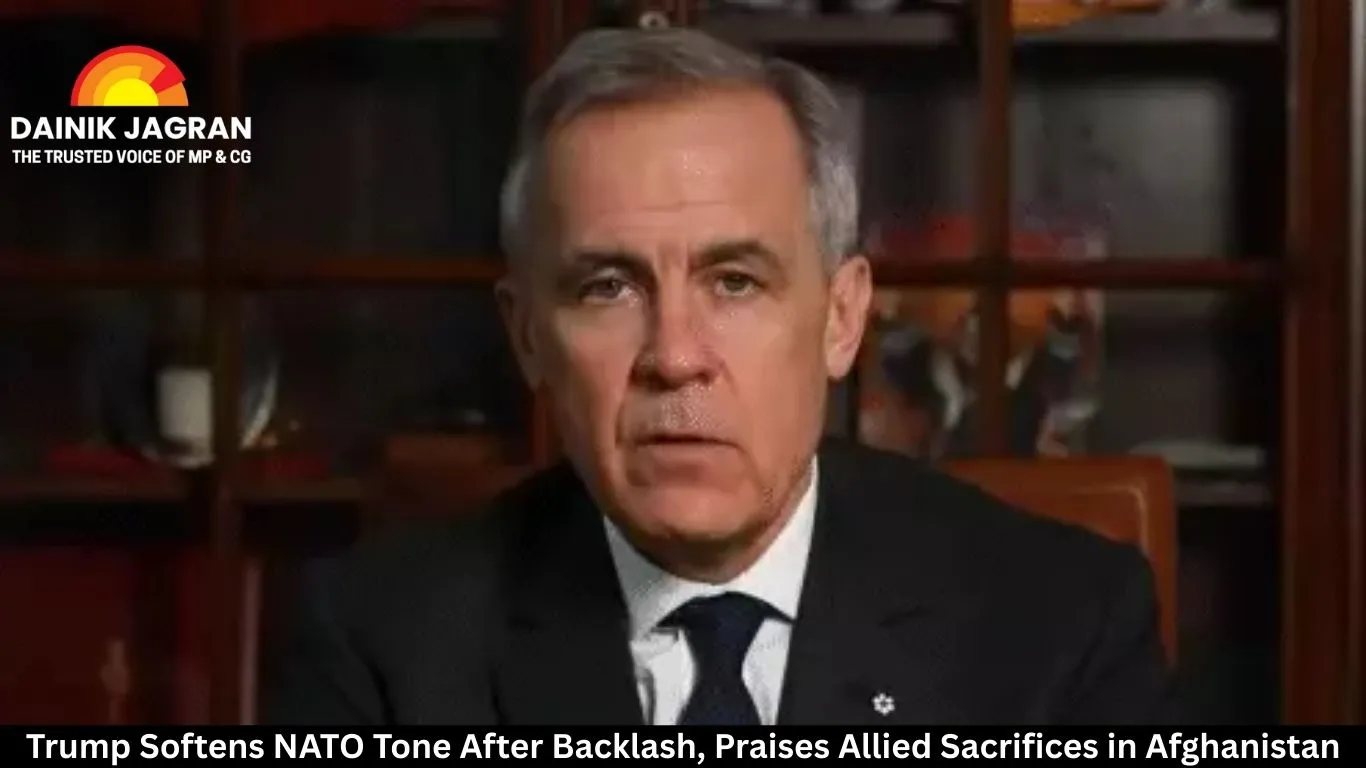
Trump Softens NATO Tone After Backlash, Praises Allied Sacrifices in Afghanistan
Digital Desk
Trump Seeks to Mend Fences After NATO Remarks Spark Diplomatic Firestorm
In a striking reversal, former President Donald Trump has moved to quell a transatlantic uproar following his comments downplaying NATO allies’ contributions in the Afghanistan War. The shift underscores the enduring sensitivity around military sacrifices and the fragile nature of alliance diplomacy.
Facing sharp rebukes from European capitals, Trump took to Truth Social to praise British soldiers as “great and very brave,” explicitly acknowledging the 457 UK troops killed in the conflict. This marks a significant tonal pivot from an interview days prior, where he suggested NATO allies largely avoided frontline fighting—a claim that ignited immediate outrage.
Allied Outrage and a Swift Recalibration
The initial remarks struck a deep nerve. British Prime Minister Keir Starmer labeled them “highly objectionable,” while Dutch and Polish officials publicly denounced the assertions as false and disrespectful. The backlash highlighted a raw gap in historical perception, forcing a rare recalibration.
Trump’s subsequent post aimed directly at this wound. “We fought together, and we will always stand together,” he stated, framing the alliance as eternal. This was swiftly followed by a reported phone call with Prime Minister Starmer, where Downing Street said the two discussed the “bravery and sacrifices” of troops. The dialogue itself signals damage control in motion.The Weight of Shared Sacrifice
The heart of the controversy lies in the hard numbers and human stories of the NATO mission. Following 9/11, the alliance invoked its collective defense clause for the first time ever, leading to a nearly 20-year engagement in Afghanistan.
The International Security Assistance Force (ISAF) involved 130,000 troops from 51 countries.
Hundreds of non-American soldiers lost their lives, including 159 Canadians, 90 French, 62 German, and 44 Polish troops.
The poignant story of British soldier Aaron McClure, killed by an errant U.S. bomb, exemplifies the intertwined and tragic reality of joint operations. Critics, like former MI6 chief Richard Moore, emphasized the seamless and dangerous cooperation between allied intelligence services, a bond now strained by political rhetoric.
A Lingering Strain on Alliance Cohesion
While the immediate fire may be dampened, the episode leaves embers. It touches on a recurring tension within NATO regarding burden-sharing and acknowledgment—a theme Trump has amplified for years. For European leaders, the incident reinforces anxieties about the future of U.S. commitment should Trump return to power.
The Trump NATO backlash is more than a fleeting diplomatic spat; it’s a reminder of how quickly words can overshadow shared history and sacrifice. As alliances adapt to new global threats, maintaining mutual respect for past sacrifices remains a fundamental pillar. The swift fallout and partial walk-back show that even for a figure who frequently challenges diplomatic norms, some lines, when crossed, still demand a retreat.


.jpg)




