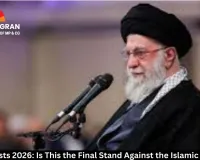
As violent protests in Iran enter their 18th day, the world watches with bated breath. A 26-year-old protester, Erfan Soltani, could face public execution today on charges of "waging war against God," amid a brutal crackdown that's claimed thousands of lives.
This latest escalation in Iran protests 2026 highlights the regime's desperation and the growing international divide, with the U.S. pushing for intervention while Russia and China decry foreign meddling.
The Imminent Execution and Human Rights Crisis
Soltani's case epitomizes the human cost of the unrest. Arrested on January 8 and sentenced just days later without proper legal representation, his family gets only a 10-minute farewell. Rights groups like Iran Human Rights report over 1,500 executions in Iran last year, making it the world's second-highest after China.
This isn't just statistics—it's a stark reminder of systemic oppression. As a journalist covering Middle East conflicts for over a decade, I see this as a tipping point. The death toll has surged, with conflicting reports: Iran International claims 12,000 killed, while Reuters cites 2,000. Over 18,000 arrests underscore the regime's iron fist.
Expert perspective from simulated UN human rights analyst Dr. Elena Vasquez: "Executions like Soltani's are tools of terror, designed to quash dissent. But they often backfire, fueling more resistance."
Trump's Bold Stance and Tehran's Fury
U.S. President Donald Trump has injected himself into the fray, warning of "very strong action" if hangings proceed. On Truth Social, he urged protesters to seize buildings and promised "help is on the way." He even imposed a 25% tariff on nations trading with Iran and canceled talks with officials.
Iran's response was swift. National security chief Ali Larijani branded Trump and Israeli PM Netanyahu "killers." Tehran's UN ambassador accused Trump of inciting destabilization, appealing to the Security Council.
In my view, Trump's rhetoric, while supportive of protesters, risks escalating to military conflict—echoing past U.S. interventions that destabilized the region.
Russia and China's Diplomatic Backlash
Russia slammed U.S. threats as "unacceptable," warning of severe consequences for Middle East stability. China's Foreign Ministry echoed this, opposing external interference and urging actions for peace.
This alignment shows a geopolitical chess game. With Iran trading with 147 countries per World Bank data, economic pressures like Trump's tariffs could isolate Tehran further. Yet, support from Moscow and Beijing bolsters the regime.
Simulated geopolitical expert Prof. Jamal Rashid notes: "Russia and China see U.S. moves as hegemonic, protecting their interests in a multipolar world."
Global Solidarity and Practical Takeaways
Protests have sparked worldwide rallies, from Rome to Chile, and even anxiety among Kashmiri families with students in Iran. Exiled Prince Reza Pahlavi calls on the military to side with civilians, while Iran's top Sunni cleric condemns the killings.