

Pakistan-Afghanistan Conflict Escalates: Open War Declared Amid Airstrikes and Retaliations
Digital Desk
In a dramatic escalation, Pakistan has declared an "open war" against Afghanistan following fresh airstrikes near the Torkham border. The Taliban retaliated by claiming attacks on key military facilities in Islamabad, including a purported nuclear site. This Pakistan-Afghanistan conflict, rooted in long-standing border disputes, has claimed hundreds of lives and drawn global concern as of February 27, 2026.
Escalation of Border Tensions
Tensions boiled over late Thursday when Afghan forces launched attacks on Pakistani positions, allegedly in response to Pakistan's February 22 airstrike. Pakistan's Defence Minister Khawaja Asif stated, "Our patience has run out," signaling the start of open hostilities. Under Operation 'Ghazab Lil Haq,' Pakistani jets targeted Taliban hideouts in Kabul, Nangarhar, Paktika, Paktia, Laghman, Khost, Kandahar, and Laghman provinces.
The Taliban countered with drone strikes on Pakistani cities like Abbottabad, Swabi, Nowshera, and Jamrud. Afghan spokesperson Zabihullah Mujahid warned of a "firm response," claiming 55 Pakistani soldiers killed and 19 military posts captured. Pakistan refuted this, reporting only two soldiers dead while asserting 133-228 Taliban fighters eliminated.
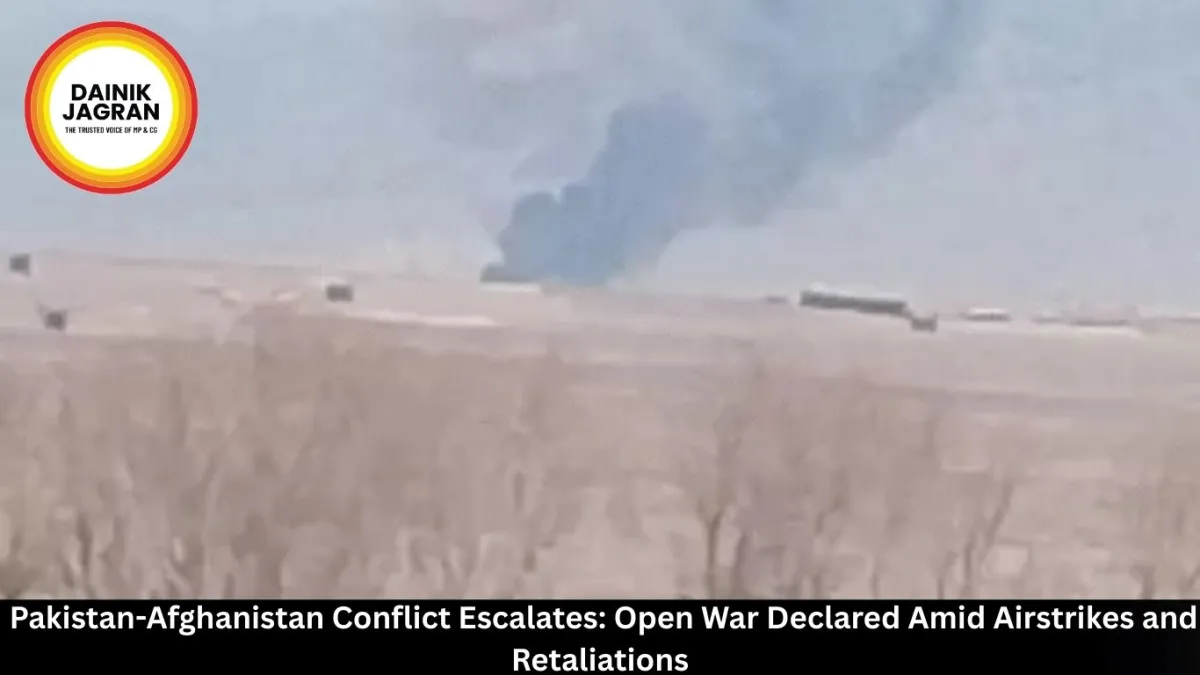
Videos circulating on social media show damaged vehicles in Kabul and Pakistani jets in action, though claims of a downed Pakistani jet remain unverified. Clashes continue in border areas like Nangarhar and Kunar, with a mortar strike hitting a refugee camp, injuring seven.
Casualties and Conflicting Claims
Casualty figures vary wildly:
- Pakistan claims 133-228 Taliban killed, 200-314 injured, with 74 posts destroyed.
- Afghanistan reports eight fighters dead, 11 injured, but alleges civilian deaths, including 23 from one family in earlier strikes.
Overall, nearly 200 people have perished in the Pakistan-Afghanistan conflict, including civilians. Experts note Pakistan's military superiority, with nuclear capabilities and advanced weaponry, versus the Taliban's guerrilla tactics and light arms from black markets.
Former Pakistani minister Miftah Ismail blamed the Taliban for forcing the conflict, urging an end to cross-border terrorism for civilian safety.
International Reactions and Calls for Peace
Global powers have urged de-escalation. UN Chief António Guterres called for restraint and civilian protection via diplomacy. Russia, China, Britain, and Malaysia echoed this, with Malaysia's PM Anwar Ibrahim highlighting Ramadan's sanctity.
Pakistan discussed the crisis with Saudi Arabia and Turkey, while Iran offered mediation. Afghan MP in exile Mariam Solaimankhil accused Pakistan of fostering terrorism and urged India to push for sanctions and denuclearization.
In Pakistan, cities like Karachi are on high alert with increased patrols. A press conference by Pakistan's DG ISPR is scheduled for 4 PM PKT.
Why This Matters Now
This Pakistan-Afghanistan conflict exacerbates regional instability amid the Taliban's 2021 takeover, rising terrorism linked to groups like TTP, and disputes over the Durand Line. It risks broader fallout, including refugee crises and economic disruptions.
As airstrikes and retaliations persist, dialogue remains key to averting a full-scale war. Readers should monitor official updates and support humanitarian efforts. For Pakistan and Afghanistan's citizens, peace through negotiation offers the only path forward, as emphasized by experts like former Afghan President Hamid Karzai: "Afghans will respond to aggression with courage." Stay informed on this evolving crisis.
.jpg)




