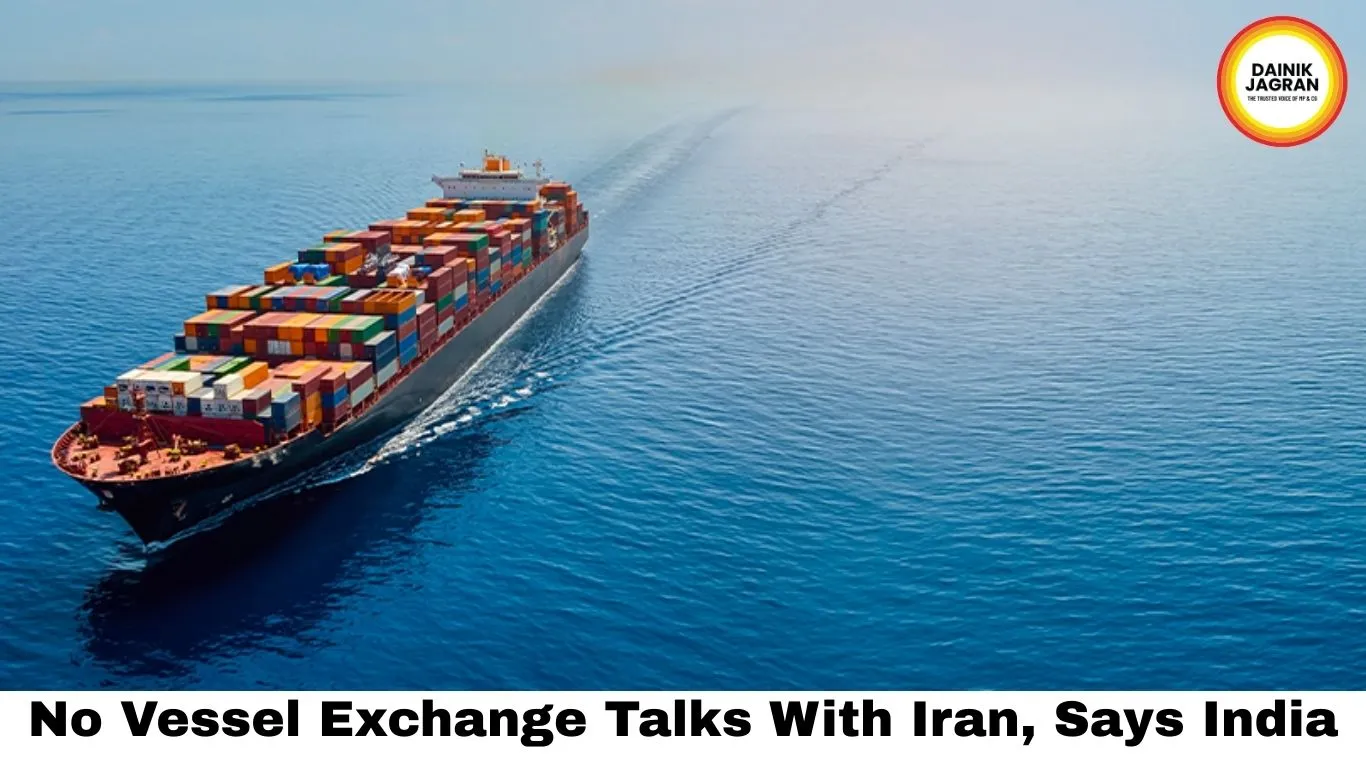
In a firm rebuttal to recent speculation, the Indian government on Tuesday categorically denied reports that it was discussing an exchange of seized vessels with Iran to secure the safe passage of Indian ships through the strategically vital Strait of Hormuz.
The clarification from the Ministry of External Affairs (MEA) comes amid heightened regional tensions and follows a Reuters report claiming that New Delhi had earlier seized three tankers for allegedly masking their identities and engaging in illegal ship-to-ship transfers. The report suggested these seizures were now part of back-channel negotiations for safe passage through the waterway, a key chokepoint for global energy supplies that has seen disruptions since the escalation of the US-Israeli conflict with Iran.
'Reports Are Baseless': MEA
Addressing the media in a press briefing, MEA Spokesperson Randhir Jaiswal dismissed the claims outright, stating there has been "no discussion of this nature" regarding a vessel exchange.
"These reports are baseless," Jaiswal asserted. He further clarified the status of the three tankers—identified as Asphalt Star, Al Jafzia, and Stellar Ruby—which are currently docked off Mumbai. "The three vessels are anyway not Iranian owned, neither are there any Iranian vessels," he added, directly countering a core element of the initial reports.
The denial seeks to quash any suggestion of a transactional deal between New Delhi and Tehran, reaffirming India's stance of engaging with regional powers through established diplomatic channels rather than quid-pro-quo arrangements.
Indian Ships Remain Stranded
While ruling out any vessel exchange, the MEA confirmed a more pressing concern: several Indian-flagged vessels and their crews remain unable to transit the Strait of Hormuz, effectively stranded due to the ongoing instability in West Asia.
"Many of our ships are still stuck in the Strait of Hormuz," Jaiswal acknowledged during the briefing.
This admission underscores the real-world impact of the geopolitical crisis on India's maritime interests and energy security. The Strait of Hormuz is a critical artery through which a significant portion of India's crude oil and LNG imports transit, making freedom of navigation in the region a top national priority.
Diplomacy Takes Center Stage
With a military solution off the table, India is now leaning heavily on its foreign policy apparatus to resolve the deadlock. Jaiswal outlined the government's primary objective and the path it is taking to achieve it.
"We are in talks with Iran and other countries. As our Special Secretary mentioned, many ships are still there in the Strait of Hormuz area. It is our intention to work with Iran and other countries to bring those ships back home safely. This is our objective," he stated.
The MEA confirmed that "discussions are ongoing" and that India is engaging with Tehran on a number of issues, including the safe return of the vessels and humanitarian considerations.
Key Takeaways from the MEA Briefing:
-
No Vessel Exchange: India has not and will not discuss swapping seized tankers for safe passage.
-
Ownership Clarified: The three vessels seized by Indian authorities are not Iranian-owned.
-
Stranded Assets: Several Indian ships remain stuck in the Strait of Hormuz.
-
Active Diplomacy: India is in active talks with Iran and other regional players to secure the ships' release.
For the families of the seafarers on board the stranded vessels and for industries watching India's energy supply lines, the development offers a mix of reassurance and continued uncertainty. While New Delhi has ruled out a controversial deal, its promise of sustained diplomatic engagement is now the primary hope for bringing the ships and their crews home safely.





.jpg)




