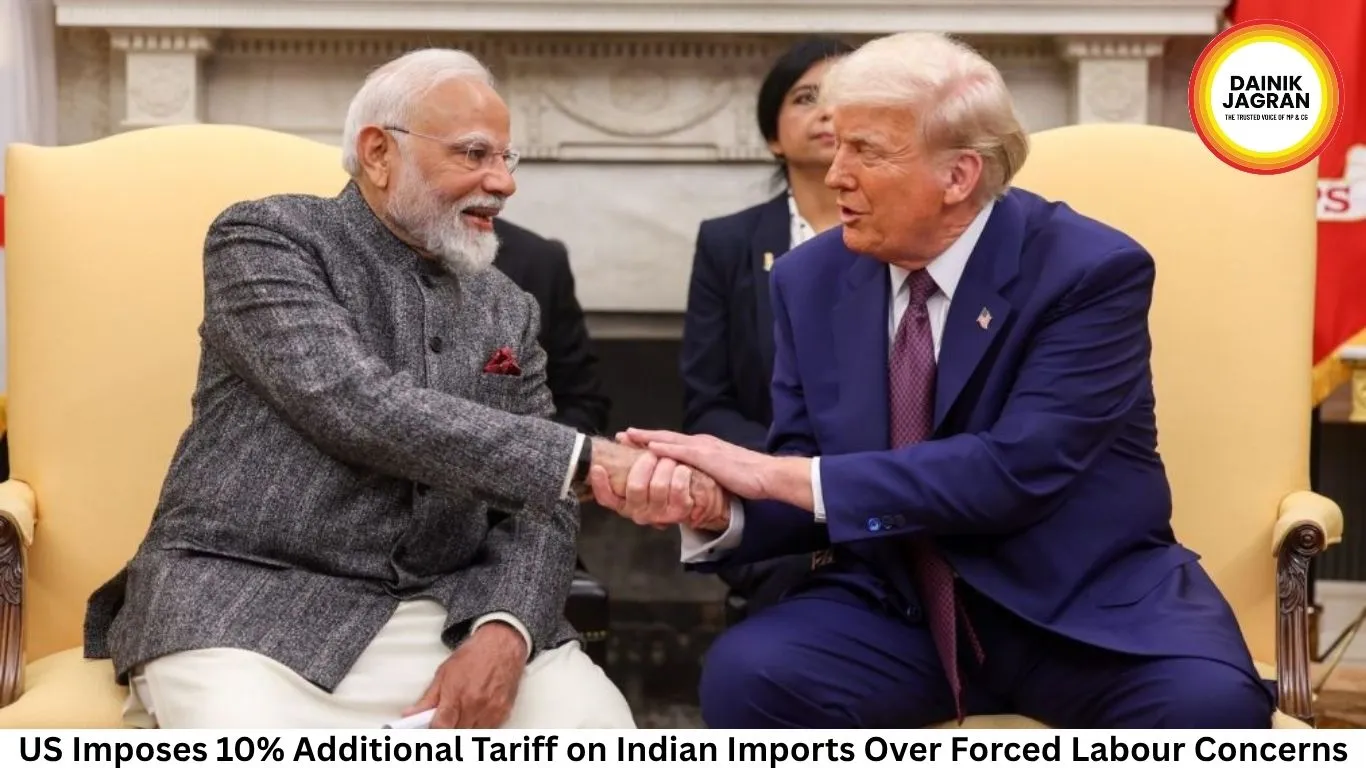
US Imposes 10% Additional Tariff on Indian Imports Over Forced Labour Concerns

Digital Desk

US Imposes 10% Additional Tariff on Indian Imports Over Forced Labour Concerns

The United States has imposed a 10% additional tariff on selected imports from India under Section 301 of the US Trade Act, citing concerns related to forced labour in global supply chains. The new measure is part of wider trade action affecting 60 countries.

The United States has imposed an additional 10% tariff on certain goods imported from India, with the measure taking effect on Friday as part of a broader trade initiative targeting products allegedly linked to forced labour. The decision, announced by the Office of the United States Trade Representative (USTR), follows an investigation conducted under Section 301 of the US Trade Act of 1974. The new tariffs form part of a wider package affecting imports from 60 countries, with India among 17 nations facing a 10% additional duty.

New Tariff Takes Effect

The additional tariff was introduced after an investigation into global supply chain practices related to forced labour.

According to the USTR, the action was taken under Section 301, which empowers the US government to respond to trade practices it considers unfair or harmful to American commerce.

The measure was implemented following approval by US President Donald Trump.

Why India Was Targeted

US authorities said the tariff decision was linked to concerns over products associated with forced labour.

Officials noted that India had made policy changes, including amendments to its foreign trade regulations prohibiting imports of goods produced through forced labour.

These steps reportedly contributed to reducing the proposed tariff from 12.5% to 10% after consultations between the two sides.

Key Export Sectors Affected

The United States remains India's largest export destination, making the additional duty significant for several export-oriented industries.

Sectors expected to face the greatest impact include:

  • Textiles and garments
  • Gems and jewellery
  • Leather products
  • Agricultural and food products
  • Engineering goods
  • Chemicals
  • Manufacturing products

Higher tariffs could make Indian goods more expensive in the US market, potentially affecting export demand and pricing competitiveness.

Global Trade Action

The latest US action covers imports from 60 countries.

According to the USTR, 17 countries, including India, the United Kingdom, Canada, Bangladesh, Indonesia, Mexico, Pakistan and Sri Lanka, face an additional 10% tariff.

The remaining 43 countries have been subjected to a 12.5% additional duty under the same trade initiative.

Understanding Section 301

Section 301 of the US Trade Act of 1974 authorises the US government to investigate and respond to trade practices considered discriminatory or damaging to US businesses.

The investigation process includes consultations with affected countries, stakeholder submissions and recommendations by the USTR before any trade action receives presidential approval.

Officials said the latest inquiry began in March and included consultations with more than 45 countries along with the review of over 1,600 public submissions.

Forced Labour Focus

The US maintains that goods produced using forced labour should not enter international supply chains.

The International Labour Organization (ILO) defines forced labour as work performed under coercion, threats, debt bondage or other forms of compulsion that deprive workers of their freedom.

Washington has previously imposed similar trade restrictions on products linked to forced labour concerns, including goods originating from China's Xinjiang region.


--------

๐Ÿšจ Beat the News Rush โ€“ Join Now!

Get breaking alerts, hot exclusives, and game-changing stories instantly on your phone. No delays, no fluff โ€“ just the edge you need. โšก

Tap to join:ย 

๐ŸŸข WhatsApp Channel: Dainik Jagran MP CG

Crave more?

๐Ÿ…• Facebook: Dainik Jagran MP CG English

๐Ÿ…ง Twitter (X): Dainik Jagran MP CG

๐Ÿ…˜ Instagram: Dainik Jagran MP CG

Share the fire โ€“ keep your crew ahead! ๐Ÿ—ž๏ธ๐Ÿ”ฅ

english.dainikjagranmpcg.com
24 Jul 2026 By Rishita

US Imposes 10% Additional Tariff on Indian Imports Over Forced Labour Concerns

Digital Desk

The United States has imposed an additional 10% tariff on certain goods imported from India, with the measure taking effect on Friday as part of a broader trade initiative targeting products allegedly linked to forced labour. The decision, announced by the Office of the United States Trade Representative (USTR), follows an investigation conducted under Section 301 of the US Trade Act of 1974. The new tariffs form part of a wider package affecting imports from 60 countries, with India among 17 nations facing a 10% additional duty.

New Tariff Takes Effect

The additional tariff was introduced after an investigation into global supply chain practices related to forced labour.

According to the USTR, the action was taken under Section 301, which empowers the US government to respond to trade practices it considers unfair or harmful to American commerce.

The measure was implemented following approval by US President Donald Trump.

Why India Was Targeted

US authorities said the tariff decision was linked to concerns over products associated with forced labour.

Officials noted that India had made policy changes, including amendments to its foreign trade regulations prohibiting imports of goods produced through forced labour.

These steps reportedly contributed to reducing the proposed tariff from 12.5% to 10% after consultations between the two sides.

Key Export Sectors Affected

The United States remains India's largest export destination, making the additional duty significant for several export-oriented industries.

Sectors expected to face the greatest impact include:

  • Textiles and garments
  • Gems and jewellery
  • Leather products
  • Agricultural and food products
  • Engineering goods
  • Chemicals
  • Manufacturing products

Higher tariffs could make Indian goods more expensive in the US market, potentially affecting export demand and pricing competitiveness.

Global Trade Action

The latest US action covers imports from 60 countries.

According to the USTR, 17 countries, including India, the United Kingdom, Canada, Bangladesh, Indonesia, Mexico, Pakistan and Sri Lanka, face an additional 10% tariff.

The remaining 43 countries have been subjected to a 12.5% additional duty under the same trade initiative.

Understanding Section 301

Section 301 of the US Trade Act of 1974 authorises the US government to investigate and respond to trade practices considered discriminatory or damaging to US businesses.

The investigation process includes consultations with affected countries, stakeholder submissions and recommendations by the USTR before any trade action receives presidential approval.

Officials said the latest inquiry began in March and included consultations with more than 45 countries along with the review of over 1,600 public submissions.

Forced Labour Focus

The US maintains that goods produced using forced labour should not enter international supply chains.

The International Labour Organization (ILO) defines forced labour as work performed under coercion, threats, debt bondage or other forms of compulsion that deprive workers of their freedom.

Washington has previously imposed similar trade restrictions on products linked to forced labour concerns, including goods originating from China's Xinjiang region.

https://english.dainikjagranmpcg.com/international/6a6316f0d83c8/article-23395

Related Posts

Trending News