Hamas Regains Ground in Gaza as Trump’s Peace Board Convenes Without Strip on Agenda
Digital Desk
Claims about Hamas’ territorial control were cited in a report by BBC, which quoted a Gaza-based activist alleging the group now exerts authority in more than 90 percent of areas where it operates. According to the account, local police and security units aligned with Hamas have resumed patrols, enforcing order and targeting perceived rivals or collaborators.
The development comes months after a ceasefire agreement intended to stabilize the enclave. Israeli officials, however, maintain that the militant group is using the lull to regroup. The military has said it will not consider the conflict resolved until Hamas disarms completely, a demand the organization has repeatedly rejected.
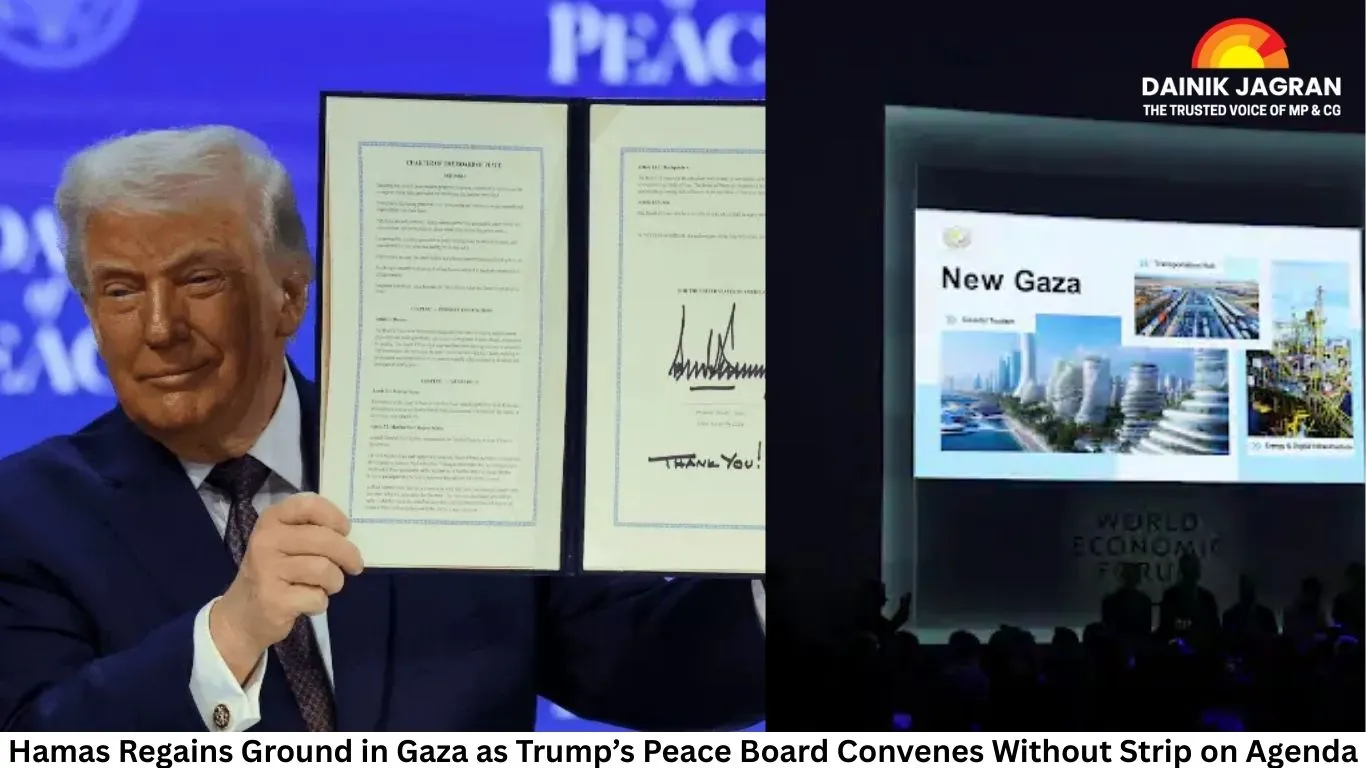
Meanwhile, Trump’s initiative has drawn mixed reactions from world capitals. The charter for the new body names him inaugural chairman with sweeping powers over membership, agenda setting, and veto authority. Several European governments have declined to participate, expressing concern the structure could operate outside multilateral frameworks traditionally led by institutions such as the United Nations.
Israel has also signaled unease. Prime Minister Benjamin Netanyahu opted not to attend the inaugural session, sending his foreign minister instead. Officials in Jerusalem are reportedly wary of certain invited states, including Turkey, whose president Recep Tayyip Erdoğan has sharply criticized Israeli military actions.
Despite questions about participation, Trump has said member states could collectively pledge more than $5 billion for humanitarian aid and reconstruction in Gaza, alongside proposals for an international stabilization force. Indonesian officials have publicly indicated willingness to contribute troops, though no deployment timeline has been finalized.
Analysts say the juxtaposition of Hamas’ reported resurgence and the launch of a global peace forum underscores the complexity of post-ceasefire realities. While diplomatic initiatives aim to craft long-term governance and security arrangements, conditions on the ground remain fluid, with both political authority and military control contested.
The Washington meeting is expected to produce a preliminary framework document, but observers caution that without consensus among regional stakeholders and major powers, translating proposals into enforceable agreements will remain a formidable challenge.