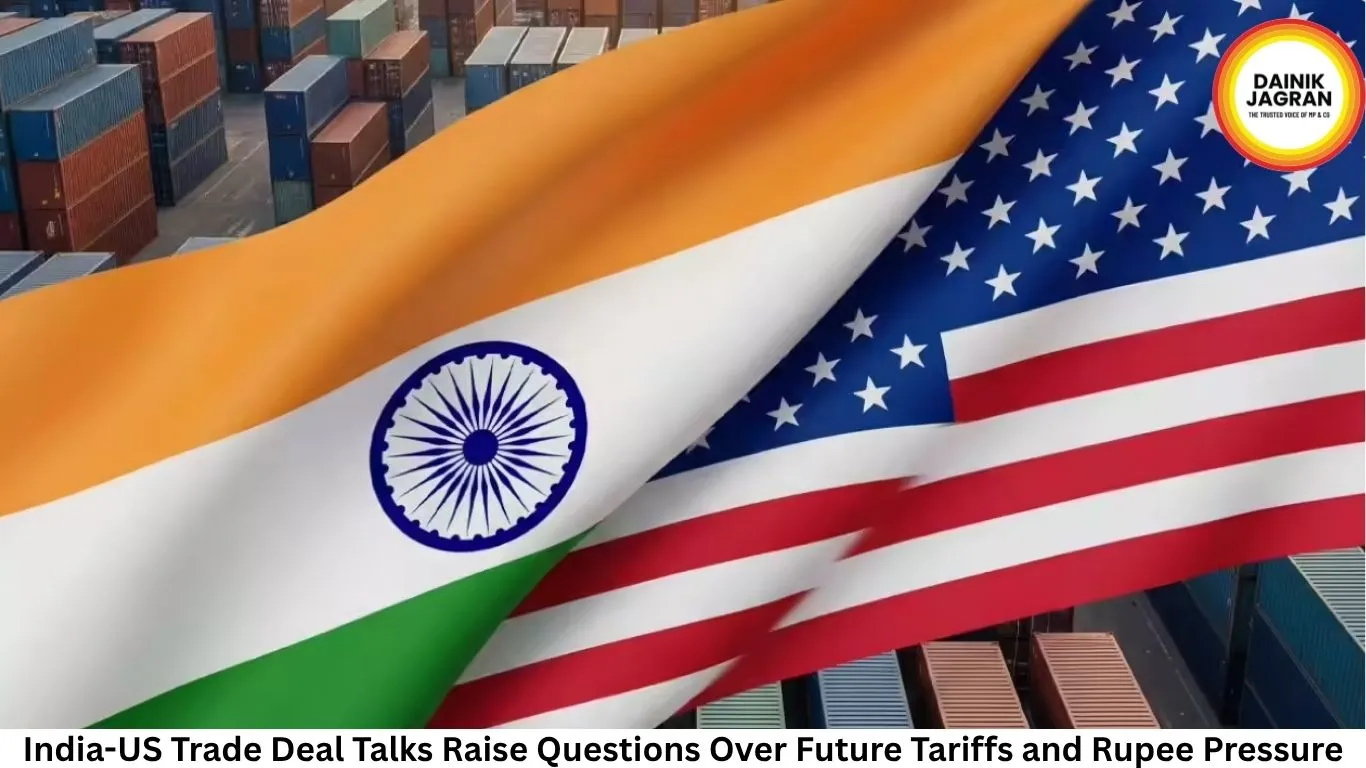
India-US Trade Deal Talks Raise Questions Over Future Tariffs and Rupee Pressure

Digital Desk

India-US Trade Deal Talks Raise Questions Over Future Tariffs and Rupee Pressure

Experts warn that even if an interim India-US trade agreement is finalized, fresh American tariffs could still be imposed, while large-scale import commitments may add pressure on the Indian rupee.

A fresh debate has emerged around the proposed India-US interim trade agreement after trade experts cautioned that signing the deal may not fully protect Indian exports from future tariff actions by the United States. According to the Global Trade Research Initiative (GTRI), the administration of Donald Trump could still impose additional duties on Indian goods despite a trade pact. The concern stems from ongoing American investigations related to alleged forced-labour compliance issues and Washington's broader trade strategy toward partner nations. At the same time, economists have raised concerns over India's reported commitment to purchase up to $500 billion (approximately ₹47.5 lakh crore) worth of American goods over five years, arguing that such imports could widen trade imbalances and exert further pressure on the rupee. The developments come as both countries intensify negotiations aimed at concluding an interim trade agreement.

According to GTRI, recent actions by the US government indicate that trade agreements do not necessarily prevent future tariff measures. The think tank pointed to investigations initiated under Section 301 of US trade laws, which allow Washington to impose duties on countries accused of unfair trade practices or inadequate enforcement of labour standards.

Tariff Concerns Remain

Trade analysts note that the Trump administration has previously considered additional tariffs on countries that allegedly failed to prevent imports linked to forced labour. India has reportedly been among the nations examined under these investigations.

GTRI founder Ajay Srivastava argued that even if tariff rates are reduced through an interim trade arrangement, future investigations could still result in new duties. The organization estimates that proposed reciprocal tariffs could potentially decline from 25% to 18% under a bilateral trade arrangement, though uncertainty would remain.

Officials on both sides have not publicly commented on whether such provisions are being discussed in the ongoing negotiations.

Impact on Rupee

Economist Devinder Sharma has expressed concerns over the scale of proposed purchases from the United States. According to him, importing American products worth nearly ₹47.5 lakh crore over five years could increase demand for US dollars and place additional pressure on the Indian currency.

The rupee has already faced challenges in recent months due to foreign portfolio investor outflows, elevated global trade uncertainty and a rising import bill. Currency market analysts say sustained large-scale imports without corresponding export growth could widen the trade deficit and affect exchange rate stability.

However, supporters of the proposed deal argue that increased imports of energy products, defence equipment, aircraft and advanced technologies could strengthen strategic ties and support long-term economic growth.

What Washington Wants

Reports from recent negotiation rounds suggest the United States is seeking broader market access in sectors such as agriculture, energy, defence, digital services and advanced technologies. Washington is also believed to be encouraging closer economic cooperation and increased purchases of American goods.

In return, the US is expected to offer lower reciprocal tariffs and greater market certainty for selected Indian exports.

The latest round of discussions resumed in New Delhi on Tuesday, where Piyush Goyal met with Jamieson Greer during Greer's two-day visit to India.

--------

🚨 Beat the News Rush – Join Now!

Get breaking alerts, hot exclusives, and game-changing stories instantly on your phone. No delays, no fluff – just the edge you need. ⚡

Tap to join: 

🟢 WhatsApp Channel: Dainik Jagran MP CG

Crave more?

🅕 Facebook: Dainik Jagran MP CG English

🅧 Twitter (X): Dainik Jagran MP CG

🅘 Instagram: Dainik Jagran MP CG

Share the fire – keep your crew ahead! 🗞️🔥

english.dainikjagranmpcg.com
23 Jun 2026 By Rishita

India-US Trade Deal Talks Raise Questions Over Future Tariffs and Rupee Pressure

Digital Desk

A fresh debate has emerged around the proposed India-US interim trade agreement after trade experts cautioned that signing the deal may not fully protect Indian exports from future tariff actions by the United States. According to the Global Trade Research Initiative (GTRI), the administration of Donald Trump could still impose additional duties on Indian goods despite a trade pact. The concern stems from ongoing American investigations related to alleged forced-labour compliance issues and Washington's broader trade strategy toward partner nations. At the same time, economists have raised concerns over India's reported commitment to purchase up to $500 billion (approximately ₹47.5 lakh crore) worth of American goods over five years, arguing that such imports could widen trade imbalances and exert further pressure on the rupee. The developments come as both countries intensify negotiations aimed at concluding an interim trade agreement.

According to GTRI, recent actions by the US government indicate that trade agreements do not necessarily prevent future tariff measures. The think tank pointed to investigations initiated under Section 301 of US trade laws, which allow Washington to impose duties on countries accused of unfair trade practices or inadequate enforcement of labour standards.

Tariff Concerns Remain

Trade analysts note that the Trump administration has previously considered additional tariffs on countries that allegedly failed to prevent imports linked to forced labour. India has reportedly been among the nations examined under these investigations.

GTRI founder Ajay Srivastava argued that even if tariff rates are reduced through an interim trade arrangement, future investigations could still result in new duties. The organization estimates that proposed reciprocal tariffs could potentially decline from 25% to 18% under a bilateral trade arrangement, though uncertainty would remain.

Officials on both sides have not publicly commented on whether such provisions are being discussed in the ongoing negotiations.

Impact on Rupee

Economist Devinder Sharma has expressed concerns over the scale of proposed purchases from the United States. According to him, importing American products worth nearly ₹47.5 lakh crore over five years could increase demand for US dollars and place additional pressure on the Indian currency.

The rupee has already faced challenges in recent months due to foreign portfolio investor outflows, elevated global trade uncertainty and a rising import bill. Currency market analysts say sustained large-scale imports without corresponding export growth could widen the trade deficit and affect exchange rate stability.

However, supporters of the proposed deal argue that increased imports of energy products, defence equipment, aircraft and advanced technologies could strengthen strategic ties and support long-term economic growth.

What Washington Wants

Reports from recent negotiation rounds suggest the United States is seeking broader market access in sectors such as agriculture, energy, defence, digital services and advanced technologies. Washington is also believed to be encouraging closer economic cooperation and increased purchases of American goods.

In return, the US is expected to offer lower reciprocal tariffs and greater market certainty for selected Indian exports.

The latest round of discussions resumed in New Delhi on Tuesday, where Piyush Goyal met with Jamieson Greer during Greer's two-day visit to India.

https://english.dainikjagranmpcg.com/international/india-us-trade-deal-talks-raise-questions-over-future-tariffs-and/article-20513

Latest News