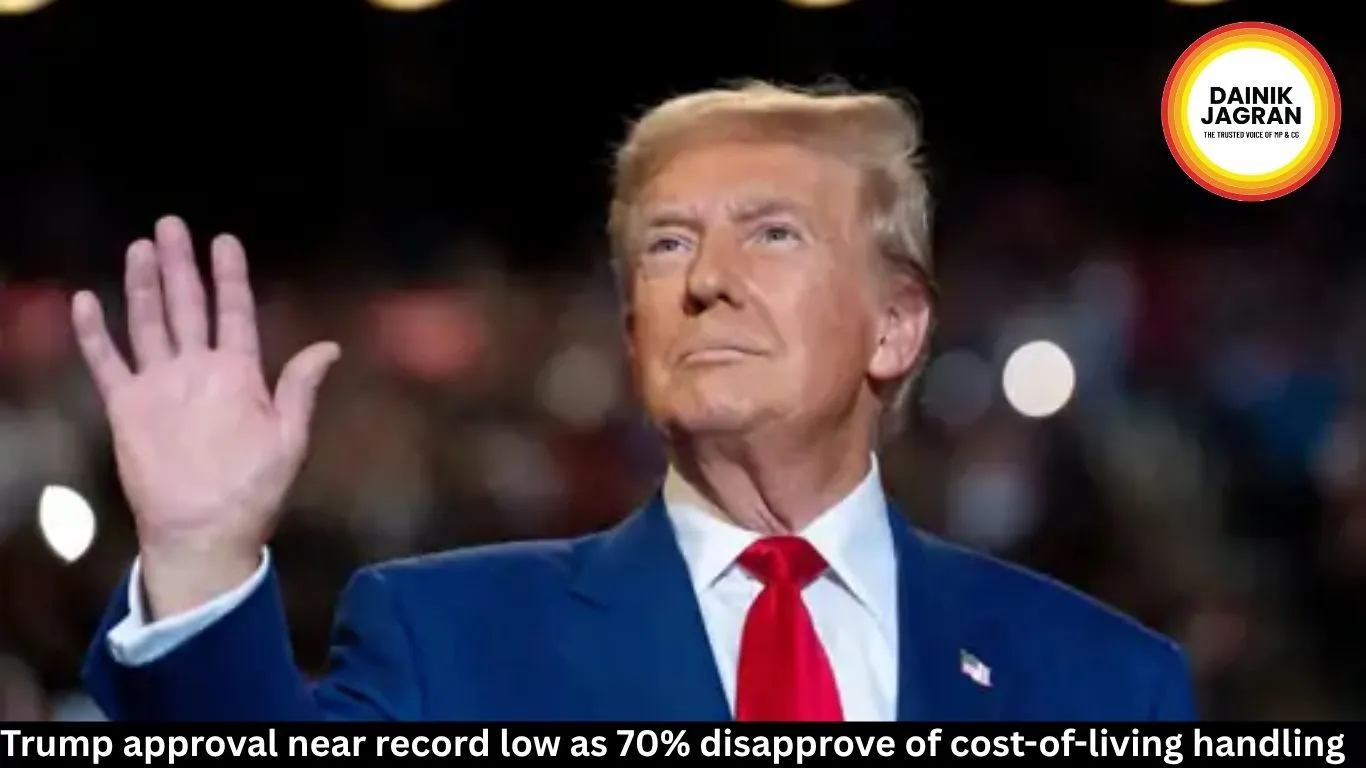
Trump approval near record low; 70% disapprove

Digital Desk

Trump approval near record low; 70% disapprove

rump approval at 35%, 70% disapprove of his cost-of-living handling; 59% expect gasoline prices to rise amid Iran conflict.


President Donald Trump’s approval rating remained close to the lowest levels of his political career, with a Reuters/Ipsos poll released on Tuesday showing broad public dissatisfaction over his management of the cost of living and rising concern about fuel prices tied to the war with Iran.

Approval holding near lows

The six-day online poll found 35% of respondents approved of Trump’s overall performance, unchanged from a mid-May Reuters/Ipsos survey and only marginally above his April low of 34%. That figure is also near his first-term trough of 33% recorded in December 2017. According to officials at Reuters and Ipsos, the sample included 4,531 U.S. adults and carried a margin of error of plus or minus 2 percentage points.

Cost-of-living discontent

The sharpest weakness for the president is on household finances. Just 22% of Americans said they approve of how Trump is handling the cost of living, while 70% disapproved — a gap that eclipses the disapproval levels at the end of Joe Biden’s term, when the former president finished with 29% approval and 63% disapproval on the same issue. Sources familiar with the poll say persistent high fuel prices continue to drive public unease.

Gasoline expectations and Iran war

The poll found 59% of respondents expect U.S. gasoline prices to get worse over the next year, with only 17% expecting improvement. Those worries come against the backdrop of U.S. military strikes on Iran ordered by Trump on February 28 and subsequent Iranian counterattacks that disrupted shipping through a key strait that once carried about a fifth of global oil trade. Initial reports and shipping data showed a sharp decline in vessel traffic; while attacks have slowed since April, no lasting diplomatic settlement has emerged.

Views on the strikes themselves were mixed. Some 36% of Americans said they approved of the U.S. strikes on Iran, though only 25% felt the benefits outweighed the costs. Local commentators and analysts have said the strikes helped satisfy hawkish Republican voters but did little to reassure consumers worried about everyday prices.

Political impact ahead of midterms

The poll suggests potential electoral consequences for Republicans heading into November’s congressional elections. When asked which party they would prefer in Congress, registered voters picked Democrats over Republicans by 41% to 37%. That margin reflects a shift from polls last year, which showed Republicans holding an edge on economic competence — an advantage that has largely evaporated. In the latest survey, 36% of voters said Democrats had a better plan for the economy, while 37% favored Republicans.

Campaign strategists in both parties said economic messaging will be decisive. “If high fuel and grocery prices persist, voters are likely to punish the party in power by November,” one strategist briefed on the numbers told Reuters. Local ground teams in battleground states reported increased voter conversations about pocketbook issues rather than foreign policy.

Polling methodology and reliability

Conducted online over six days, the Reuters/Ipsos poll sampled a broad cross-section of adults nationwide. Poll organizers noted the 4,531 respondents yield a margin of error of 2 percentage points; online polling can still underweight certain demographic groups despite weighting adjustments. Analysts cautioned the snapshot reflects current sentiment and could shift if fuel prices, diplomatic developments, or domestic economic indicators change in the coming months.

What comes next

With gasoline expectations high and cost-of-living concerns entrenched, both parties appear likely to refocus messaging on economic fixes and consumer relief. The White House has signalled plans to highlight tax and trade moves it says will lower prices, while Democrats are expected to press Republicans on consumer protections and relief measures. Observers say the next few weeks of data on petrol prices and inflation, along with any renewed escalation or de-escalation in the Iran conflict, could reshape voter perceptions ahead of the midterm campaign season.


 

--------

๐Ÿšจ Beat the News Rush โ€“ Join Now!

Get breaking alerts, hot exclusives, and game-changing stories instantly on your phone. No delays, no fluff โ€“ just the edge you need. โšก

Tap to join:ย 

๐ŸŸข WhatsApp Channel: Dainik Jagran MP CG

Crave more?

๐Ÿ…• Facebook: Dainik Jagran MP CG English

๐Ÿ…ง Twitter (X): Dainik Jagran MP CG

๐Ÿ…˜ Instagram: Dainik Jagran MP CG

Share the fire โ€“ keep your crew ahead! ๐Ÿ—ž๏ธ๐Ÿ”ฅ

english.dainikjagranmpcg.com
09 Jun 2026 By Abhishek Joshi

Trump approval near record low; 70% disapprove

Digital Desk

President Donald Trump’s approval rating remained close to the lowest levels of his political career, with a Reuters/Ipsos poll released on Tuesday showing broad public dissatisfaction over his management of the cost of living and rising concern about fuel prices tied to the war with Iran.

Approval holding near lows

The six-day online poll found 35% of respondents approved of Trump’s overall performance, unchanged from a mid-May Reuters/Ipsos survey and only marginally above his April low of 34%. That figure is also near his first-term trough of 33% recorded in December 2017. According to officials at Reuters and Ipsos, the sample included 4,531 U.S. adults and carried a margin of error of plus or minus 2 percentage points.

Cost-of-living discontent

The sharpest weakness for the president is on household finances. Just 22% of Americans said they approve of how Trump is handling the cost of living, while 70% disapproved — a gap that eclipses the disapproval levels at the end of Joe Biden’s term, when the former president finished with 29% approval and 63% disapproval on the same issue. Sources familiar with the poll say persistent high fuel prices continue to drive public unease.

Gasoline expectations and Iran war

The poll found 59% of respondents expect U.S. gasoline prices to get worse over the next year, with only 17% expecting improvement. Those worries come against the backdrop of U.S. military strikes on Iran ordered by Trump on February 28 and subsequent Iranian counterattacks that disrupted shipping through a key strait that once carried about a fifth of global oil trade. Initial reports and shipping data showed a sharp decline in vessel traffic; while attacks have slowed since April, no lasting diplomatic settlement has emerged.

Views on the strikes themselves were mixed. Some 36% of Americans said they approved of the U.S. strikes on Iran, though only 25% felt the benefits outweighed the costs. Local commentators and analysts have said the strikes helped satisfy hawkish Republican voters but did little to reassure consumers worried about everyday prices.

Political impact ahead of midterms

The poll suggests potential electoral consequences for Republicans heading into November’s congressional elections. When asked which party they would prefer in Congress, registered voters picked Democrats over Republicans by 41% to 37%. That margin reflects a shift from polls last year, which showed Republicans holding an edge on economic competence — an advantage that has largely evaporated. In the latest survey, 36% of voters said Democrats had a better plan for the economy, while 37% favored Republicans.

Campaign strategists in both parties said economic messaging will be decisive. “If high fuel and grocery prices persist, voters are likely to punish the party in power by November,” one strategist briefed on the numbers told Reuters. Local ground teams in battleground states reported increased voter conversations about pocketbook issues rather than foreign policy.

Polling methodology and reliability

Conducted online over six days, the Reuters/Ipsos poll sampled a broad cross-section of adults nationwide. Poll organizers noted the 4,531 respondents yield a margin of error of 2 percentage points; online polling can still underweight certain demographic groups despite weighting adjustments. Analysts cautioned the snapshot reflects current sentiment and could shift if fuel prices, diplomatic developments, or domestic economic indicators change in the coming months.

What comes next

With gasoline expectations high and cost-of-living concerns entrenched, both parties appear likely to refocus messaging on economic fixes and consumer relief. The White House has signalled plans to highlight tax and trade moves it says will lower prices, while Democrats are expected to press Republicans on consumer protections and relief measures. Observers say the next few weeks of data on petrol prices and inflation, along with any renewed escalation or de-escalation in the Iran conflict, could reshape voter perceptions ahead of the midterm campaign season.

 

https://english.dainikjagranmpcg.com/international/trump-approval-near-record-low-70-disapprove/article-19962

Related Posts

Latest News

Trump Confirms Crew Safe After US Helicopter Crash Near Hormuz Trump Confirms Crew Safe After US Helicopter Crash Near Hormuz
US President Trump says helicopter crew safe after Apache crash near Strait of Hormuz amid West Asia tensions. Israel vows...
50 UK MPs urge action over PoK unrest, 11 dead
Trump approval near record low; 70% disapprove
War Impact: Iranians Buy Bread on EMI as Food Prices Surge
Twin Earthquakes Hit Iran and Cuba, Tremors Felt Across Region
148 Indians Stuck in Bangladesh Jails After Serving Sentences
Southwest Monsoon Reaches 13 States in 5 Days