Trump Claims Iran Nuclear Deal Ends War, Tehran Denies

Digital Desk

Trump Claims Iran Nuclear Deal Ends War, Tehran Denies

US President Trump says Iran agreed to abandon nuclear ambitions and the war is over, but Iranian officials call reports speculative with no final decision. Latest updates on US-Iran negotiations and regional impact.

Trump Claims Iran Nuclear Deal Ends War, Tehran Rejects Assertions

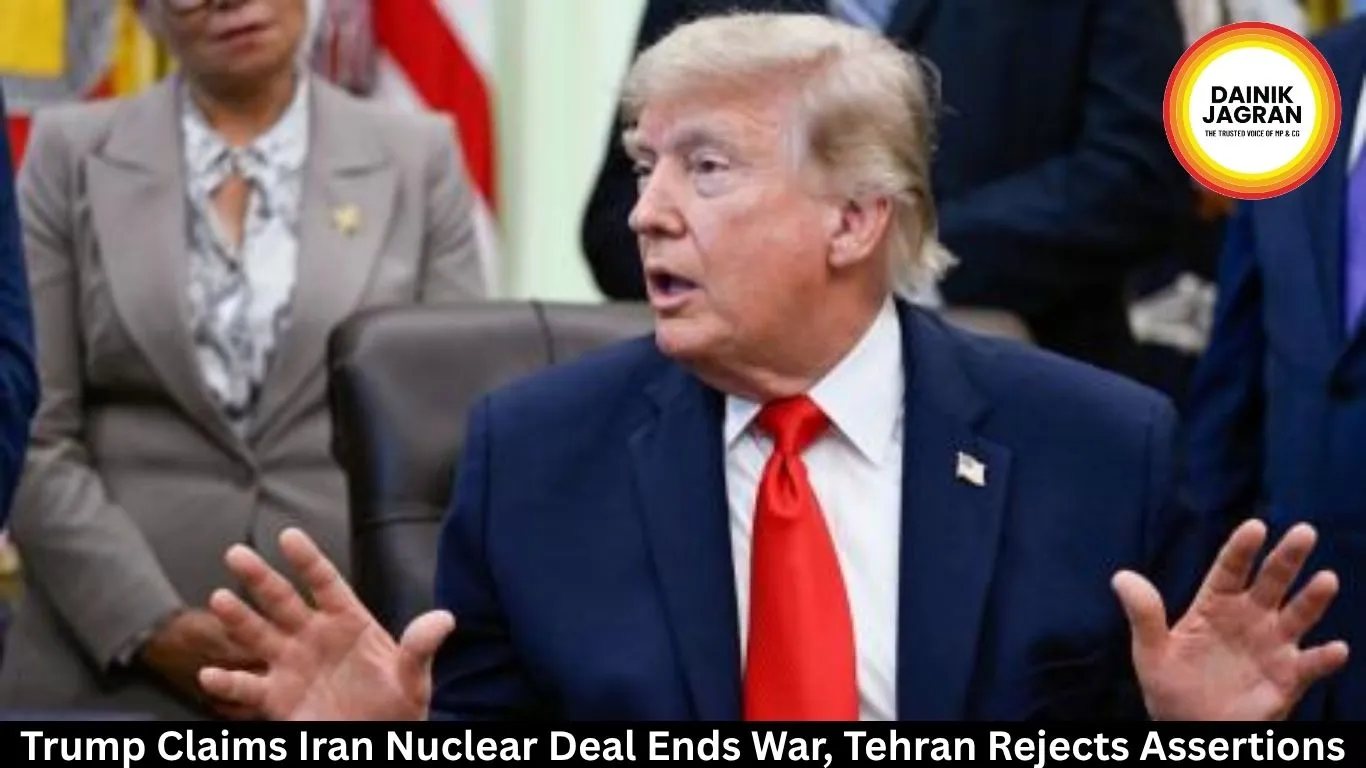
US President Donald Trump announced on Friday that Washington had effectively ended its conflict with Iran, asserting that Tehran had agreed to abandon nuclear weapons ambitions. However, Iranian officials quickly pushed back, describing the claims as premature and unconfirmed.

Speaking during a tele-rally in support of a Senate candidate, Trump declared the war over and credited his administration with securing major concessions. “We ended the war with Iran today, and they have agreed never to have a nuclear weapon,” he said, adding that a “great deal” had been reached with people expected to start returning home soon. He also mentioned cancelling planned strikes for a third consecutive day, hinting that a signing ceremony could be announced shortly.

 Mixed Signals from Tehran

Iran’s foreign ministry spokesperson Esmail Baghaei dismissed reports of any agreement as “speculative,” stating clearly that “nothing has been finalised.” Multiple Iranian lawmakers echoed this position, insisting that core principles, including support for regional allies in the “Axis of Resistance,” remained non-negotiable. One MP emphasised that Tehran would not sacrifice its allies or compromise on key security matters.

According to reports citing a draft memorandum of understanding, negotiations are expected to centre on Iran’s nuclear programme and economic issues. The document reportedly includes US commitments to lift sanctions, withdraw forces, reopen the Strait of Hormuz, and release frozen funds. Notably, Iran’s missile programme is said to remain off the negotiating table. The draft still requires final approval.

 Diplomatic Interventions Averted Strikes

Sources indicate that last-minute interventions by leaders from Qatar, the United Arab Emirates, and Pakistan helped convince Trump to step back from further military action. The calls came after Trump had threatened to hit Iran “very hard” and target oil infrastructure, including Kharg Island. These previously unreported conversations reportedly assured the US president that a preliminary understanding was within reach.

The developments come amid continued tensions on multiple fronts. Israeli strikes were reported in southern Lebanon, with Hezbollah claiming several attacks on Israeli positions in response. A regional country reportedly denied Israel airspace access during recent operations, signalling shifting dynamics. Meanwhile, US forces said they intercepted Iranian drones near the Strait of Hormuz.

 Market Reactions and Regional Response

Financial markets responded positively to the de-escalation signals. Oil prices dropped, with Brent crude falling over one percent, as fears of major supply disruptions eased. Wall Street also rallied, with major indices posting solid gains late on Thursday.

Egypt welcomed Trump’s decision to cancel strikes and urged both sides to seize the “available opportunity” for a comprehensive agreement that could foster regional stability. The UN Secretary-General expressed grief over the deaths of Indian sailors in a separate tanker attack off Oman, highlighting the broader human cost of the conflict.

 Uncertainty Lingers Over Final Terms

Despite Trump’s repeated optimistic statements — now reportedly the 39th time he has suggested a deal is imminent — Iranian officials continue to stress that several key issues remain unresolved. Reports also suggest the proposed deal would require Israel to withdraw completely from Lebanon and halt operations against Hezbollah. Preparations for a possible signing ceremony in Europe, including US Air Force planes dispatched for Vice President JD Vance, have been noted, though Iran has not confirmed acceptance.

Local authorities in affected areas continue to monitor the situation closely. While diplomatic channels appear active, ground realities in Lebanon and the Gulf show persistent friction. Analysts suggest any final agreement would need to carefully balance nuclear concerns with broader regional security arrangements.

The coming days are expected to clarify whether the current momentum leads to a formal deal or remains part of ongoing high-stakes negotiations. For now, the contrast between Washington’s assertions and Tehran’s cautious stance underscores the complexities involved in reaching a lasting resolution.
 

--------

🚨 Beat the News Rush – Join Now!

Get breaking alerts, hot exclusives, and game-changing stories instantly on your phone. No delays, no fluff – just the edge you need. ⚡

Tap to join: 

🟢 WhatsApp Channel: Dainik Jagran MP CG

Crave more?

🅕 Facebook: Dainik Jagran MP CG English

🅧 Twitter (X): Dainik Jagran MP CG

🅘 Instagram: Dainik Jagran MP CG

Share the fire – keep your crew ahead! 🗞️🔥

english.dainikjagranmpcg.com
12 Jun 2026 By Abhishek Joshi

Trump Claims Iran Nuclear Deal Ends War, Tehran Denies

Digital Desk

Trump Claims Iran Nuclear Deal Ends War, Tehran Rejects Assertions

US President Donald Trump announced on Friday that Washington had effectively ended its conflict with Iran, asserting that Tehran had agreed to abandon nuclear weapons ambitions. However, Iranian officials quickly pushed back, describing the claims as premature and unconfirmed.

Speaking during a tele-rally in support of a Senate candidate, Trump declared the war over and credited his administration with securing major concessions. “We ended the war with Iran today, and they have agreed never to have a nuclear weapon,” he said, adding that a “great deal” had been reached with people expected to start returning home soon. He also mentioned cancelling planned strikes for a third consecutive day, hinting that a signing ceremony could be announced shortly.

 Mixed Signals from Tehran

Iran’s foreign ministry spokesperson Esmail Baghaei dismissed reports of any agreement as “speculative,” stating clearly that “nothing has been finalised.” Multiple Iranian lawmakers echoed this position, insisting that core principles, including support for regional allies in the “Axis of Resistance,” remained non-negotiable. One MP emphasised that Tehran would not sacrifice its allies or compromise on key security matters.

According to reports citing a draft memorandum of understanding, negotiations are expected to centre on Iran’s nuclear programme and economic issues. The document reportedly includes US commitments to lift sanctions, withdraw forces, reopen the Strait of Hormuz, and release frozen funds. Notably, Iran’s missile programme is said to remain off the negotiating table. The draft still requires final approval.

 Diplomatic Interventions Averted Strikes

Sources indicate that last-minute interventions by leaders from Qatar, the United Arab Emirates, and Pakistan helped convince Trump to step back from further military action. The calls came after Trump had threatened to hit Iran “very hard” and target oil infrastructure, including Kharg Island. These previously unreported conversations reportedly assured the US president that a preliminary understanding was within reach.

The developments come amid continued tensions on multiple fronts. Israeli strikes were reported in southern Lebanon, with Hezbollah claiming several attacks on Israeli positions in response. A regional country reportedly denied Israel airspace access during recent operations, signalling shifting dynamics. Meanwhile, US forces said they intercepted Iranian drones near the Strait of Hormuz.

 Market Reactions and Regional Response

Financial markets responded positively to the de-escalation signals. Oil prices dropped, with Brent crude falling over one percent, as fears of major supply disruptions eased. Wall Street also rallied, with major indices posting solid gains late on Thursday.

Egypt welcomed Trump’s decision to cancel strikes and urged both sides to seize the “available opportunity” for a comprehensive agreement that could foster regional stability. The UN Secretary-General expressed grief over the deaths of Indian sailors in a separate tanker attack off Oman, highlighting the broader human cost of the conflict.

 Uncertainty Lingers Over Final Terms

Despite Trump’s repeated optimistic statements — now reportedly the 39th time he has suggested a deal is imminent — Iranian officials continue to stress that several key issues remain unresolved. Reports also suggest the proposed deal would require Israel to withdraw completely from Lebanon and halt operations against Hezbollah. Preparations for a possible signing ceremony in Europe, including US Air Force planes dispatched for Vice President JD Vance, have been noted, though Iran has not confirmed acceptance.

Local authorities in affected areas continue to monitor the situation closely. While diplomatic channels appear active, ground realities in Lebanon and the Gulf show persistent friction. Analysts suggest any final agreement would need to carefully balance nuclear concerns with broader regional security arrangements.

The coming days are expected to clarify whether the current momentum leads to a formal deal or remains part of ongoing high-stakes negotiations. For now, the contrast between Washington’s assertions and Tehran’s cautious stance underscores the complexities involved in reaching a lasting resolution.
 

https://english.dainikjagranmpcg.com/special-news/trump-claims-iran-nuclear-deal-ends-war-tehran-denies/article-20061

Latest News