
Two Indian Ships Cleared to Cross Strait of Hormuz — But the Crisis Is Far From Over
Digital Desk
A Small Win, A Bigger Warning
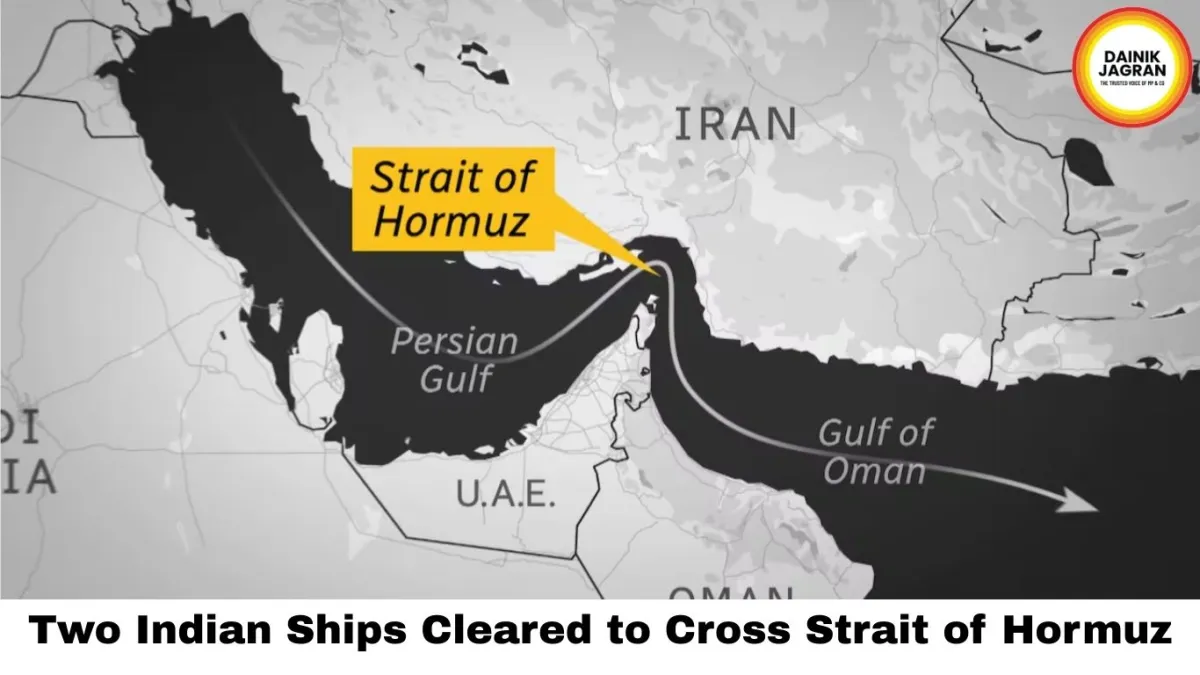
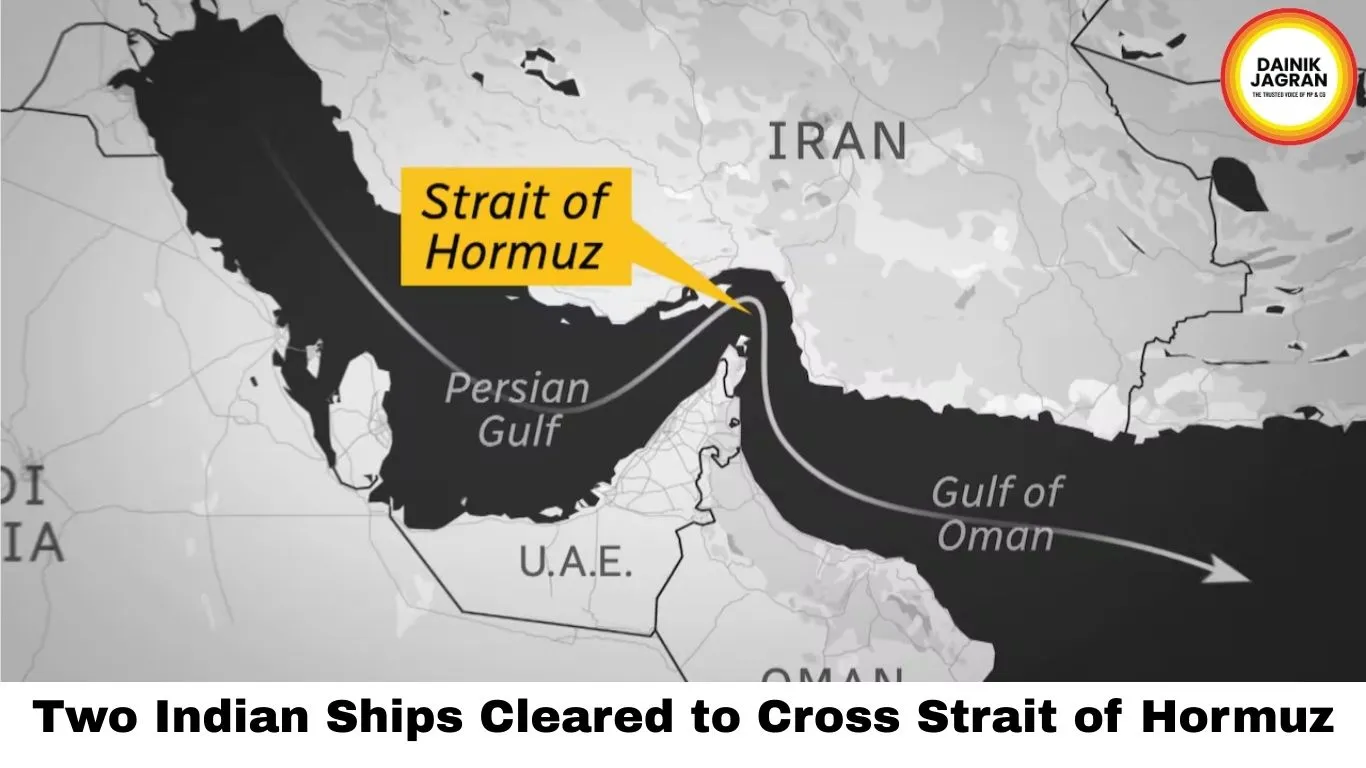
Two Indian ships have been permitted to sail through the Strait of Hormuz — a narrow but enormously important waterway that has been effectively shut down since the United States and Israel launched military strikes on Iran on February 28, 2026. The passage of these vessels is being seen as a diplomatic signal, but make no mistake: India's energy security remains deeply fragile, and the crisis in the Persian Gulf is nowhere near resolved.
The Strait of Hormuz — just 21 miles wide at its narrowest — carries roughly 20% of the world's daily oil supply. When Iran's Islamic Revolutionary Guard Corps (IRGC) shut it down to Western-linked ships after retaliating against US-Israeli strikes, the ripple effects were immediate and severe for countries like India that depend heavily on this corridor.
Why This Matters for India Right Now
India depends heavily on this strategic corridor for its energy supplies. Nearly 85% of the country's LPG imports pass through the Strait of Hormuz, and around 40% of crude oil shipments also move through the same route. NBC News
Over 1,100 Indian seafarers are aboard at least 38 vessels affected by the closure, with shipowners urging naval protection to resume passage. Bloomberg The clearance of two ships is a relief, but it is a drop in the ocean compared to what is still stranded.
The passage was made possible after Iran announced it would differentiate between friends and foes. Iran's IRGC stated that the Strait of Hormuz is now closed to vessels from the United States, Israel, Europe and their Western allies The Washington Post, while leaving a window open for nations like India and China that have not aligned with the Western military campaign.
The Risk Hasn't Gone Away
Passage being "allowed" does not mean passage is safe. A cargo vessel heading toward India's Kandla Port caught fire after being struck by a projectile while sailing through the Strait of Hormuz Zee News — a stark reminder that even non-Western ships are operating in an active war zone.
Traffic through the Strait of Hormuz remained near a standstill on March 7, with only three total crossings recorded. The combination of vessel attacks, elevated strike risk, GPS and AIS interference, and the withdrawal of war-risk insurance coverage is now producing a near-total closure effect for much of the commercial market. Military.com
In plain terms: Iran may say the door is open for Indian ships, but the hallway is still on fire.
India's Tightrope Walk
India has long maintained a careful balancing act — maintaining warm ties with both Washington and Tehran. That balancing act is now under serious strain.
Indian officials have publicly noted that more than 40% of the country's oil imports transit the Strait of Hormuz, now an active combat zone. Al Jazeera The government is under pressure to act — and fast. According to reports, the government may consider deploying the Indian Navy if tensions rise further, with naval escort operations to help protect commercial vessels crossing the sensitive route. NBC News
Meanwhile, global oil prices have swung wildly. Oil prices briefly surged to around $120 per barrel due to supply concerns, and analysts warn that prolonged instability could affect fuel prices across several countries. NBC News
The passage of two Indian ships through the Strait of Hormuz is a cautious win — but it should not be mistaken for stability. With Indian ships Strait of Hormuz movements still limited, over a thousand Indian sailors stranded, and an active shooting war ongoing, the situation demands urgent, sustained diplomatic and naval engagement from New Delhi.
India cannot afford to watch from the sidelines. Its kitchens, its factories, and its economy run on oil that flows through these 21 miles of water. What happens in the Persian Gulf does not stay there — it lands at your petrol pump, your cooking gas cylinder, and eventually your grocery bill.
The world is watching the Strait of Hormuz. India needs to do more than watch.
.jpg)