UK's £153 Million Aid to Pakistan Sparks Political Row Over Deportation Dispute
Digital Desk
Britain's £153 million aid package for Pakistan has triggered political controversy after Islamabad reportedly refused to accept convicted grooming gang leader Shabir Ahmed following the revocation of his British citizenship.
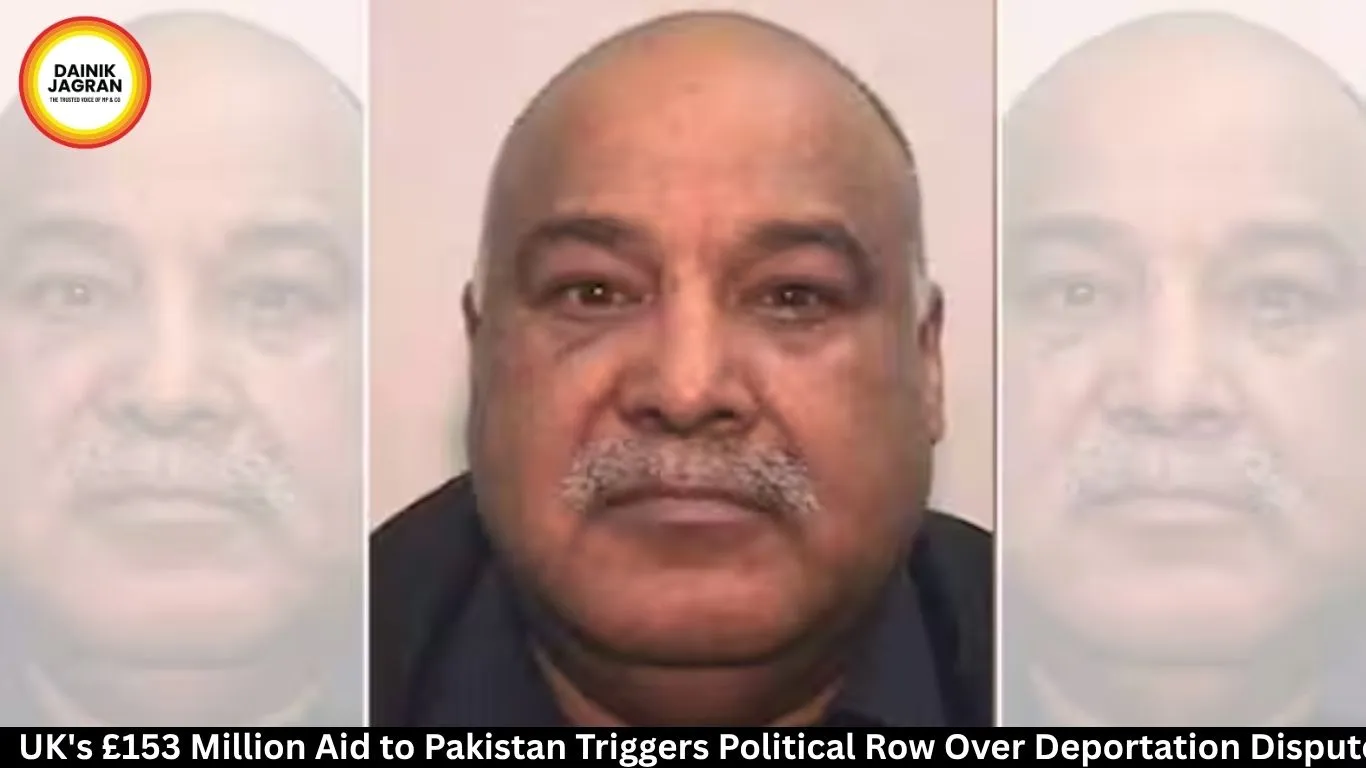
The UK government's decision to approve £153 million (around ₹1,770 crore) in development assistance for Pakistan has sparked a sharp political debate after Islamabad reportedly refused to accept Shabir Ahmed, a convicted grooming gang leader stripped of his British citizenship.
The controversy has intensified tensions between Britain's ruling Labour government and the opposition Conservative Party, with critics questioning whether financial assistance should continue while deportation efforts remain unresolved.
Aid Package Faces Political Scrutiny
The British government recently approved a three-year aid package worth £153 million for Pakistan, continuing London's long-standing development partnership with the South Asian nation.
However, the announcement quickly drew criticism after reports emerged that Pakistan declined to accept the return of Shabir Ahmed, who lost his British citizenship following his conviction for multiple child sexual abuse offences.
Former UK Home Secretary Priti Patel accused the Labour government of sending aid to Pakistan despite its refusal to cooperate on the deportation of convicted criminals.
She argued that British taxpayers would question why development assistance was being approved while Pakistan allegedly declined to accept an individual stripped of UK nationality.
Labour Defends Development Assistance
The Labour government rejected the criticism, insisting that the aid package supports development projects rather than providing direct financial assistance to Pakistan's government.
Minister Jenny Chapman said opposition claims were misleading and pointed out that previous Conservative governments had allocated significantly larger aid budgets to Pakistan.
She noted that in 2017, when the Conservatives were in power, the UK provided £402 million in aid to Pakistan—substantially higher than the current package.
Labour also maintained that British development assistance is channelled through programmes focused on poverty reduction, education, healthcare and humanitarian support.
Pakistan Rejects Responsibility for Ahmed
Pakistan has denied any obligation to accept Ahmed, arguing that he is effectively Britain's responsibility.
Foreign Ministry spokesperson Tahir Andrabi said Ahmed spent virtually his entire adult life in the United Kingdom, committed his crimes there and was prosecuted under British law.
According to Islamabad, the matter is an internal issue for the UK rather than Pakistan.
The dispute has highlighted the legal complexities surrounding citizenship revocation and deportation involving dual nationals.
Who Is Shabir Ahmed?
According to British media reports, 73-year-old Shabir Ahmed was identified as the leader of a grooming gang that sexually exploited vulnerable girls in Greater Manchester.
He was convicted in 2012 on multiple charges, including rape, child sexual abuse and human trafficking.
British courts sentenced him to 22 years in prison for child rape offences, along with an additional 19-year sentence relating to trafficking and other child sexual offences.
Investigators said Ahmed led a criminal network that groomed underage girls by supplying alcohol and drugs before sexually exploiting them.
Born in Pakistan, Ahmed reportedly moved to the United Kingdom during his teenage years and later obtained British citizenship before it was revoked following his conviction.
Aid Policy Under Fresh Spotlight
The dispute has reignited broader discussions in Britain over the relationship between foreign aid, immigration policy and international cooperation.
Critics argue that countries refusing to cooperate on deportations should face greater diplomatic pressure, while supporters of development assistance maintain that humanitarian aid should not be linked to individual legal cases.
Pakistan has remained one of the largest recipients of UK development assistance over the past two decades, although aid levels have declined considerably in recent years.
The latest controversy is expected to fuel further debate in Parliament over Britain's foreign aid priorities, immigration enforcement and bilateral relations with Pakistan.
--------
🚨 Beat the News Rush – Join Now!
Get breaking alerts, hot exclusives, and game-changing stories instantly on your phone. No delays, no fluff – just the edge you need. ⚡
Tap to join:
🟢 WhatsApp Channel: Dainik Jagran MP CG
Crave more?
🅕 Facebook: Dainik Jagran MP CG English
🅧 Twitter (X): Dainik Jagran MP CG
🅘 Instagram: Dainik Jagran MP CG
Share the fire – keep your crew ahead! 🗞️🔥
UK's £153 Million Aid to Pakistan Sparks Political Row Over Deportation Dispute
Digital Desk
The UK government's decision to approve £153 million (around ₹1,770 crore) in development assistance for Pakistan has sparked a sharp political debate after Islamabad reportedly refused to accept Shabir Ahmed, a convicted grooming gang leader stripped of his British citizenship.
The controversy has intensified tensions between Britain's ruling Labour government and the opposition Conservative Party, with critics questioning whether financial assistance should continue while deportation efforts remain unresolved.
Aid Package Faces Political Scrutiny
The British government recently approved a three-year aid package worth £153 million for Pakistan, continuing London's long-standing development partnership with the South Asian nation.
However, the announcement quickly drew criticism after reports emerged that Pakistan declined to accept the return of Shabir Ahmed, who lost his British citizenship following his conviction for multiple child sexual abuse offences.
Former UK Home Secretary Priti Patel accused the Labour government of sending aid to Pakistan despite its refusal to cooperate on the deportation of convicted criminals.
She argued that British taxpayers would question why development assistance was being approved while Pakistan allegedly declined to accept an individual stripped of UK nationality.
Labour Defends Development Assistance
The Labour government rejected the criticism, insisting that the aid package supports development projects rather than providing direct financial assistance to Pakistan's government.
Minister Jenny Chapman said opposition claims were misleading and pointed out that previous Conservative governments had allocated significantly larger aid budgets to Pakistan.
She noted that in 2017, when the Conservatives were in power, the UK provided £402 million in aid to Pakistan—substantially higher than the current package.
Labour also maintained that British development assistance is channelled through programmes focused on poverty reduction, education, healthcare and humanitarian support.
Pakistan Rejects Responsibility for Ahmed
Pakistan has denied any obligation to accept Ahmed, arguing that he is effectively Britain's responsibility.
Foreign Ministry spokesperson Tahir Andrabi said Ahmed spent virtually his entire adult life in the United Kingdom, committed his crimes there and was prosecuted under British law.
According to Islamabad, the matter is an internal issue for the UK rather than Pakistan.
The dispute has highlighted the legal complexities surrounding citizenship revocation and deportation involving dual nationals.
Who Is Shabir Ahmed?
According to British media reports, 73-year-old Shabir Ahmed was identified as the leader of a grooming gang that sexually exploited vulnerable girls in Greater Manchester.
He was convicted in 2012 on multiple charges, including rape, child sexual abuse and human trafficking.
British courts sentenced him to 22 years in prison for child rape offences, along with an additional 19-year sentence relating to trafficking and other child sexual offences.
Investigators said Ahmed led a criminal network that groomed underage girls by supplying alcohol and drugs before sexually exploiting them.
Born in Pakistan, Ahmed reportedly moved to the United Kingdom during his teenage years and later obtained British citizenship before it was revoked following his conviction.
Aid Policy Under Fresh Spotlight
The dispute has reignited broader discussions in Britain over the relationship between foreign aid, immigration policy and international cooperation.
Critics argue that countries refusing to cooperate on deportations should face greater diplomatic pressure, while supporters of development assistance maintain that humanitarian aid should not be linked to individual legal cases.
Pakistan has remained one of the largest recipients of UK development assistance over the past two decades, although aid levels have declined considerably in recent years.
The latest controversy is expected to fuel further debate in Parliament over Britain's foreign aid priorities, immigration enforcement and bilateral relations with Pakistan.