


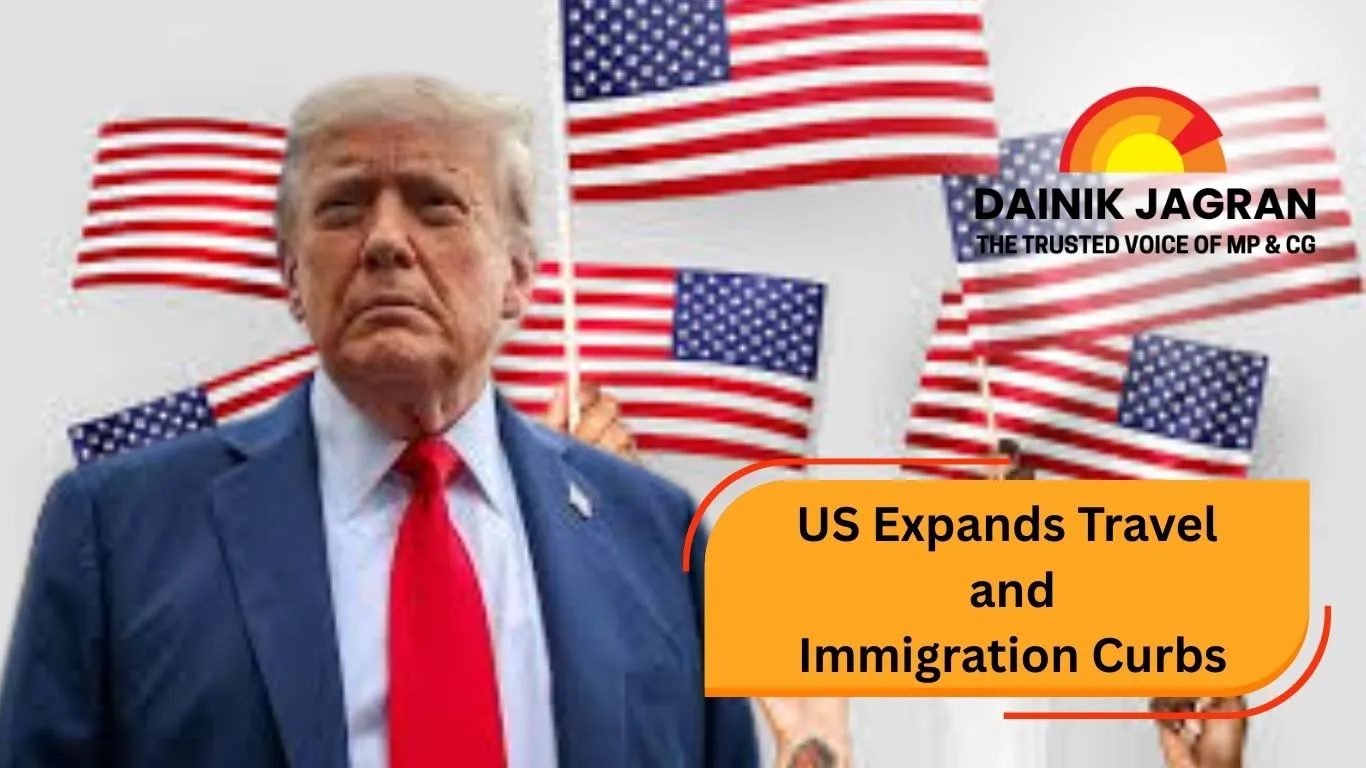
US Expands Travel and Immigration Curbs to 39 Countries, Citing Security Concerns
Digital Desk
According to the White House, the decision follows last month’s shooting near the White House in which an Afghan refugee allegedly opened fire on National Guard personnel, killing two soldiers. US authorities said the incident exposed serious gaps in screening and vetting procedures, prompting a reassessment of immigration controls.
Under the proclamation, Burkina Faso, Mali, Niger, South Sudan and Syria have been added to the list of countries facing a full travel ban. Laos and Sierra Leone, which were earlier under partial restrictions, have also been moved to the full-ban category. These additions bring the total number of countries under complete entry bans to seven, while 15 others face partial curbs affecting specific visa categories, including permanent residency.
The administration said the restrictions target countries with weak identity verification systems, limited information-sharing with US agencies, and high rates of visa overstays. Officials stressed that the policy is aimed at protecting public safety rather than penalising individuals.
The order includes several exemptions. US permanent residents, existing visa holders, diplomats, and athletes participating in international events will not be affected. Case-by-case waivers may be granted for students, medical travellers and individuals whose entry is deemed to be in the national interest. Turkmenistan was the sole exception where restrictions on non-immigrant visas were lifted, though immigrant visa limits remain.
Defending the move, Trump criticised past immigration policies, arguing they had undermined domestic security and economic stability. He reiterated his call for stricter controls and “reverse migration” to address what he described as long-standing policy failures.
Rights groups and immigration advocates are expected to challenge the expanded restrictions, while affected countries are likely to seek diplomatic engagement as the new rules come into force early next year.



.jpg)




