US Officials Cancel Pakistan Visit as Iran Talks Stall Again
International Desk
US officials cancelled their Pakistan visit after Iran stalled talks again, delaying ceasefire diplomacy and deepening uncertainty over US-Iran engagement.
US officials have cancelled a planned visit to Pakistan for proposed talks with Iran, marking another setback in efforts to revive backchannel diplomacy between Washington and Tehran. The cancelled visit involved US envoy Steve Witkoff and Jared Kushner, son-in-law of former US President Donald Trump, who were expected to travel to Islamabad for discussions linked to a possible ceasefire framework.
According to officials, the Pakistan visit was called off after talks with Iran failed to move forward for a second time. The development has added to uncertainty around a possible diplomatic opening between the two sides, with both Washington and Tehran holding firm on their respective positions.
Iran Talks Delayed
This is the second time the proposed US-Iran meeting has been postponed. Earlier, Iran had declined to participate in peace talks, saying it would not engage in negotiations until the US lifted what Tehran described as restrictions linked to the Strait of Hormuz.
Iran had conveyed that it would not send representatives to Islamabad unless its conditions were addressed first. That position effectively stalled the planned engagement and forced another delay in the diplomatic process.
The latest News Today development has drawn attention across global policy circles, especially as the region remains sensitive to any shift in US-Iran ties.
Trump Signals Frustration
Trump publicly confirmed the decision to cancel the Pakistan visit and signalled frustration over the stalled process. In a post on social media, he said he had instructed his envoys not to travel to Pakistan, citing the long journey and lack of meaningful diplomatic progress.
He said there was little point in spending 18 hours on travel for what he described as unproductive discussions. Trump added that if Iran wanted to engage, it could directly initiate contact with Washington.
His remarks suggested a hardened negotiating posture, even as he stopped short of indicating any immediate military escalation.
No War Decision Yet
Trump also said the cancellation should not be interpreted as a sign that the United States was preparing to restart military action against Iran. According to him, no decision has been taken on any such course, and the matter remains under consideration.
That statement appears aimed at limiting speculation around a possible escalation, particularly after the collapse of another diplomatic opening. Government Updates from Washington indicate that the US remains cautious about both direct engagement and confrontation.
The White House has not issued any formal statement beyond Trump’s remarks, but sources indicated the administration remains open to contact if Iran signals flexibility.
Iran Envoy Leaves Early
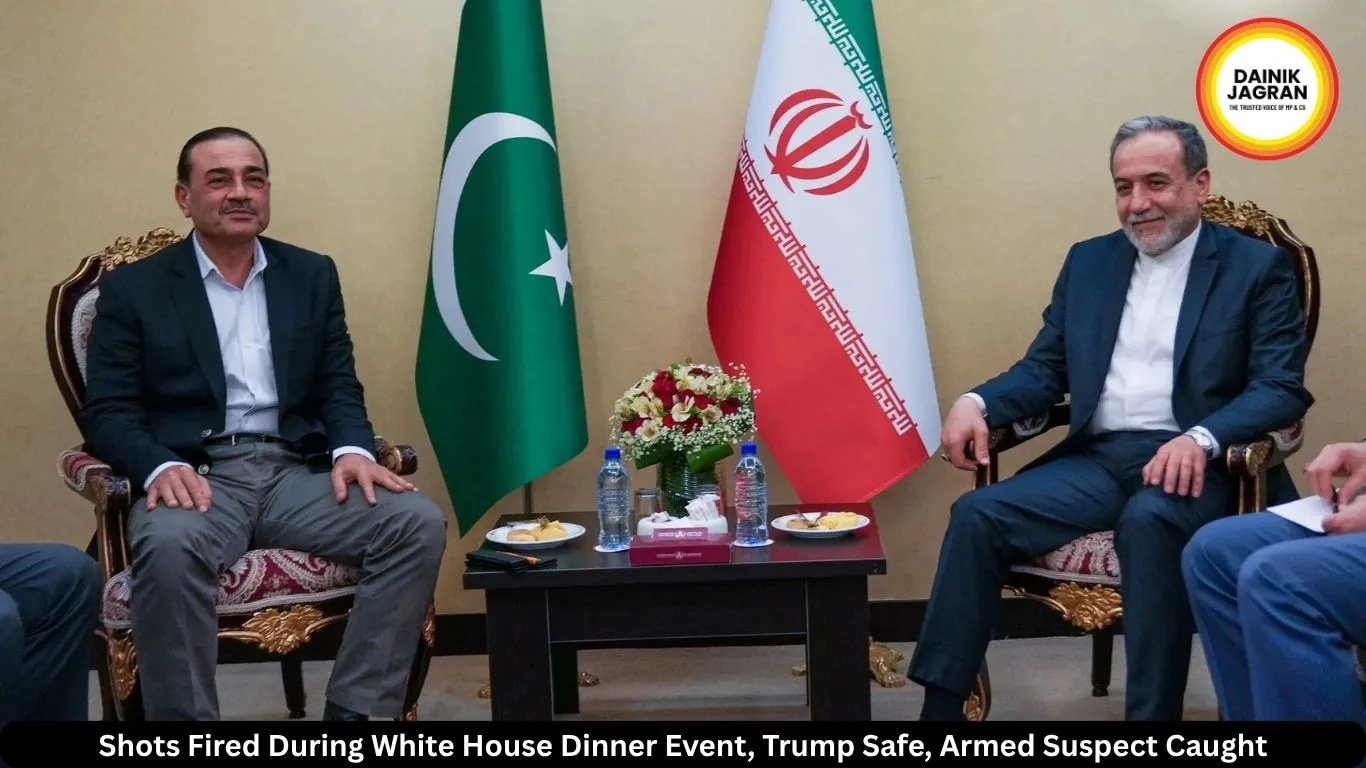
On the Iranian side, Foreign Minister Abbas Araghchi left Pakistan before the expected arrival of the US delegation. As per reports, Araghchi departed Islamabad on Saturday after meeting Pakistan’s prime minister and army chief.
During those meetings, he is understood to have conveyed Iran’s conditions and objections to US demands. Officials familiar with the matter said Tehran used the meetings to reinforce its position before any future engagement with Washington.
His early departure effectively undercut the already uncertain diplomatic schedule and confirmed that no immediate breakthrough was expected.
Diplomatic Channel Weakens
The collapse of the Pakistan visit has weakened an already fragile diplomatic channel between the US and Iran. Islamabad had emerged as a possible neutral venue for indirect talks, but the repeated delays now raise doubts over whether that track remains viable.
The episode is likely to remain a Public Interest Story, given its implications for regional security, oil routes and broader geopolitical stability.
--------
🚨 Beat the News Rush – Join Now!
Get breaking alerts, hot exclusives, and game-changing stories instantly on your phone. No delays, no fluff – just the edge you need. ⚡
Tap to join:
🟢 WhatsApp Channel: Dainik Jagran MP CG
Crave more?
🅕 Facebook: Dainik Jagran MP CG English
🅧 Twitter (X): Dainik Jagran MP CG
🅘 Instagram: Dainik Jagran MP CG
Share the fire – keep your crew ahead! 🗞️🔥
US Officials Cancel Pakistan Visit as Iran Talks Stall Again
International Desk
US officials have cancelled a planned visit to Pakistan for proposed talks with Iran, marking another setback in efforts to revive backchannel diplomacy between Washington and Tehran. The cancelled visit involved US envoy Steve Witkoff and Jared Kushner, son-in-law of former US President Donald Trump, who were expected to travel to Islamabad for discussions linked to a possible ceasefire framework.
According to officials, the Pakistan visit was called off after talks with Iran failed to move forward for a second time. The development has added to uncertainty around a possible diplomatic opening between the two sides, with both Washington and Tehran holding firm on their respective positions.
Iran Talks Delayed
This is the second time the proposed US-Iran meeting has been postponed. Earlier, Iran had declined to participate in peace talks, saying it would not engage in negotiations until the US lifted what Tehran described as restrictions linked to the Strait of Hormuz.
Iran had conveyed that it would not send representatives to Islamabad unless its conditions were addressed first. That position effectively stalled the planned engagement and forced another delay in the diplomatic process.
The latest News Today development has drawn attention across global policy circles, especially as the region remains sensitive to any shift in US-Iran ties.
Trump Signals Frustration
Trump publicly confirmed the decision to cancel the Pakistan visit and signalled frustration over the stalled process. In a post on social media, he said he had instructed his envoys not to travel to Pakistan, citing the long journey and lack of meaningful diplomatic progress.
He said there was little point in spending 18 hours on travel for what he described as unproductive discussions. Trump added that if Iran wanted to engage, it could directly initiate contact with Washington.
His remarks suggested a hardened negotiating posture, even as he stopped short of indicating any immediate military escalation.
No War Decision Yet
Trump also said the cancellation should not be interpreted as a sign that the United States was preparing to restart military action against Iran. According to him, no decision has been taken on any such course, and the matter remains under consideration.
That statement appears aimed at limiting speculation around a possible escalation, particularly after the collapse of another diplomatic opening. Government Updates from Washington indicate that the US remains cautious about both direct engagement and confrontation.
The White House has not issued any formal statement beyond Trump’s remarks, but sources indicated the administration remains open to contact if Iran signals flexibility.
Iran Envoy Leaves Early
On the Iranian side, Foreign Minister Abbas Araghchi left Pakistan before the expected arrival of the US delegation. As per reports, Araghchi departed Islamabad on Saturday after meeting Pakistan’s prime minister and army chief.
During those meetings, he is understood to have conveyed Iran’s conditions and objections to US demands. Officials familiar with the matter said Tehran used the meetings to reinforce its position before any future engagement with Washington.
His early departure effectively undercut the already uncertain diplomatic schedule and confirmed that no immediate breakthrough was expected.
Diplomatic Channel Weakens
The collapse of the Pakistan visit has weakened an already fragile diplomatic channel between the US and Iran. Islamabad had emerged as a possible neutral venue for indirect talks, but the repeated delays now raise doubts over whether that track remains viable.
The episode is likely to remain a Public Interest Story, given its implications for regional security, oil routes and broader geopolitical stability.