US Officials Reportedly Increase Security Measures Amid Espionage Concerns Over Israel

Digital Desk

US Officials Reportedly Increase Security Measures Amid Espionage Concerns Over Israel

NBC report cites US officials saying counter-intelligence concerns have risen; Israel rejects allegations and calls them false

Fresh concerns over intelligence security have surfaced within the United States amid reports that American officials are treating Israel as an elevated counter-intelligence risk. According to an NBC News report citing two current and one former US official, the Pentagon's Defense Intelligence Agency (DIA) recently raised the counter-intelligence threat level associated with Israel to "Critical", its highest category. Israeli authorities have strongly denied the allegations, maintaining that they do not spy on American officials.

The reported development comes at a time when policy differences between Washington and Tel Aviv over Iran and regional security issues have become increasingly visible. Despite the reported security concerns, intelligence-sharing cooperation between the two countries remains intact, according to officials familiar with the matter.

NBC News reported that US officials traveling to Israel or maintaining close contact with Israeli counterparts are being advised to adopt stricter security protocols. Officials reportedly avoid using their regular phones and computers during visits and instead rely on temporary devices to reduce the risk of surveillance. Sensitive discussions are also said to be avoided in locations considered vulnerable to electronic monitoring.

According to the report, no single incident triggered the heightened alert. Rather, the assessment was based on multiple intelligence reviews and long-standing concerns regarding aggressive information-gathering capabilities.

Differences Over Iran

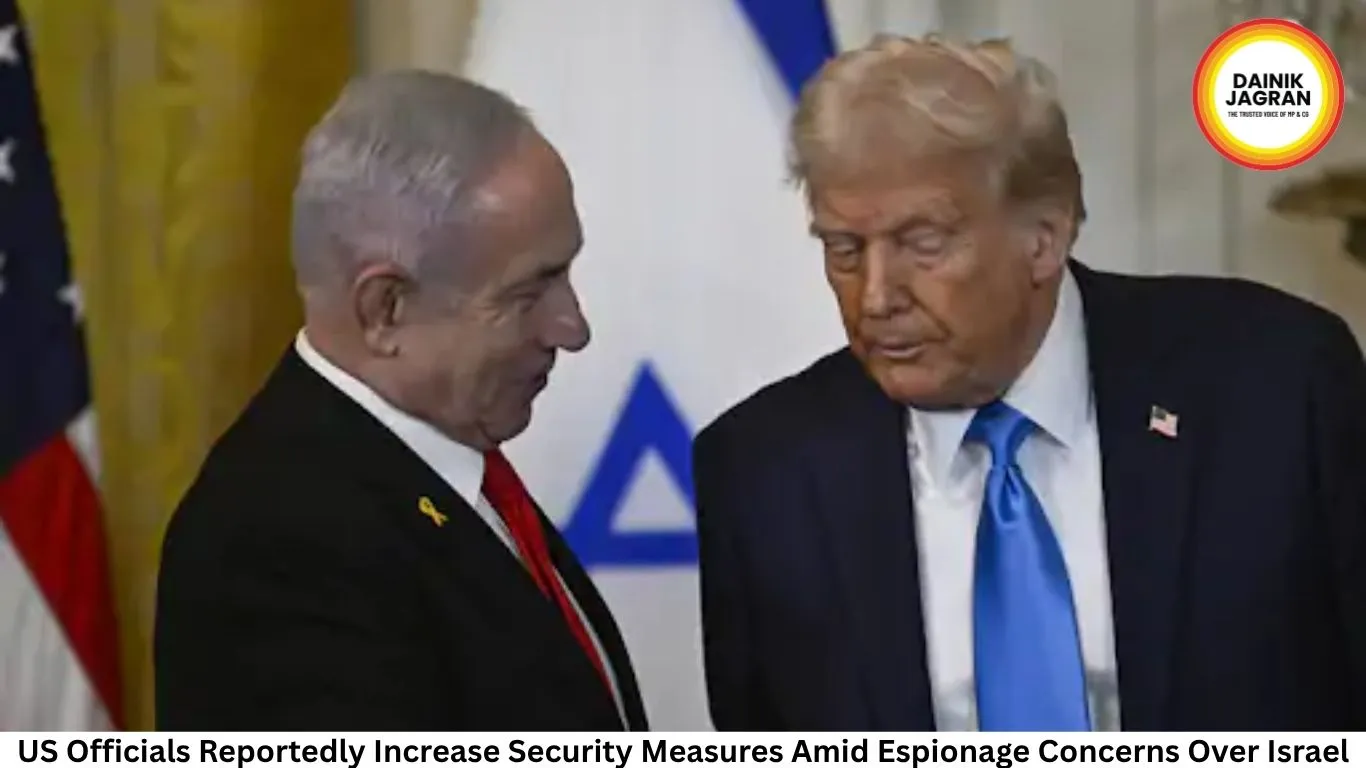
The reports have emerged against the backdrop of growing differences between US President Donald Trump and Israeli Prime Minister Benjamin Netanyahu over Iran. While the Trump administration has reportedly pursued diplomatic engagement with Tehran following a ceasefire, Netanyahu has expressed skepticism about Iran's willingness to comply with any agreement.

Media reports have also pointed to disagreements over military operations involving Hezbollah in Lebanon. Speculation about tensions between the two leaders intensified after Trump acknowledged in a recent interview that he had used harsh language during a conversation with Netanyahu.

Neither Washington nor Jerusalem has publicly linked the reported counter-intelligence concerns to current policy disagreements.

History of Distrust

Although the United States and Israel are close strategic allies, intelligence-related disputes have surfaced periodically over the decades. One of the most notable cases involved Jonathan Pollard, a former US Navy intelligence analyst who was convicted in 1987 of passing classified information to Israel. He served nearly three decades in prison before being released in 2015 and later moved to Israel.

Another case emerged in 2008, when engineer Ben-Ami Kadish admitted to providing classified information related to missile defense and nuclear systems to Israeli contacts during the 1980s. Because of his age, he received a lighter sentence.

In 2019, media reports raised questions over the presence of "Stingray" surveillance devices near the White House and other sensitive locations. Investigators reportedly suspected Israeli involvement, though US authorities never publicly concluded that Israel was responsible. Israel denied those allegations as well.

Diplomatic Ties Unchanged

Despite periodic controversies, security cooperation between the United States and Israel remains among the closest in the world. Analysts note that intelligence disagreements between allies are not unprecedented and rarely alter broader strategic ties.

For now, neither government has announced any changes to bilateral intelligence cooperation. However, the latest reports underscore the complex relationship between two allies whose security partnership has often coexisted with episodes of mistrust and counter-intelligence concerns.


--------

🚨 Beat the News Rush – Join Now!

Get breaking alerts, hot exclusives, and game-changing stories instantly on your phone. No delays, no fluff – just the edge you need. ⚔

Tap to join:Ā 

🟢 WhatsApp Channel: Dainik Jagran MP CG

Crave more?

šŸ…• Facebook: Dainik Jagran MP CG English

šŸ…§ Twitter (X): Dainik Jagran MP CG

šŸ…˜ Instagram: Dainik Jagran MP CG

Share the fire – keep your crew ahead! šŸ—žļøšŸ”„

english.dainikjagranmpcg.com
07 Jun 2026 By Rishita

US Officials Reportedly Increase Security Measures Amid Espionage Concerns Over Israel

Digital Desk

Fresh concerns over intelligence security have surfaced within the United States amid reports that American officials are treating Israel as an elevated counter-intelligence risk. According to an NBC News report citing two current and one former US official, the Pentagon's Defense Intelligence Agency (DIA) recently raised the counter-intelligence threat level associated with Israel to "Critical", its highest category. Israeli authorities have strongly denied the allegations, maintaining that they do not spy on American officials.

The reported development comes at a time when policy differences between Washington and Tel Aviv over Iran and regional security issues have become increasingly visible. Despite the reported security concerns, intelligence-sharing cooperation between the two countries remains intact, according to officials familiar with the matter.

NBC News reported that US officials traveling to Israel or maintaining close contact with Israeli counterparts are being advised to adopt stricter security protocols. Officials reportedly avoid using their regular phones and computers during visits and instead rely on temporary devices to reduce the risk of surveillance. Sensitive discussions are also said to be avoided in locations considered vulnerable to electronic monitoring.

According to the report, no single incident triggered the heightened alert. Rather, the assessment was based on multiple intelligence reviews and long-standing concerns regarding aggressive information-gathering capabilities.

Differences Over Iran

The reports have emerged against the backdrop of growing differences between US President Donald Trump and Israeli Prime Minister Benjamin Netanyahu over Iran. While the Trump administration has reportedly pursued diplomatic engagement with Tehran following a ceasefire, Netanyahu has expressed skepticism about Iran's willingness to comply with any agreement.

Media reports have also pointed to disagreements over military operations involving Hezbollah in Lebanon. Speculation about tensions between the two leaders intensified after Trump acknowledged in a recent interview that he had used harsh language during a conversation with Netanyahu.

Neither Washington nor Jerusalem has publicly linked the reported counter-intelligence concerns to current policy disagreements.

History of Distrust

Although the United States and Israel are close strategic allies, intelligence-related disputes have surfaced periodically over the decades. One of the most notable cases involved Jonathan Pollard, a former US Navy intelligence analyst who was convicted in 1987 of passing classified information to Israel. He served nearly three decades in prison before being released in 2015 and later moved to Israel.

Another case emerged in 2008, when engineer Ben-Ami Kadish admitted to providing classified information related to missile defense and nuclear systems to Israeli contacts during the 1980s. Because of his age, he received a lighter sentence.

In 2019, media reports raised questions over the presence of "Stingray" surveillance devices near the White House and other sensitive locations. Investigators reportedly suspected Israeli involvement, though US authorities never publicly concluded that Israel was responsible. Israel denied those allegations as well.

Diplomatic Ties Unchanged

Despite periodic controversies, security cooperation between the United States and Israel remains among the closest in the world. Analysts note that intelligence disagreements between allies are not unprecedented and rarely alter broader strategic ties.

For now, neither government has announced any changes to bilateral intelligence cooperation. However, the latest reports underscore the complex relationship between two allies whose security partnership has often coexisted with episodes of mistrust and counter-intelligence concerns.

https://english.dainikjagranmpcg.com/international/us-officials-reportedly-increase-security-measures-amid-espionage-concerns-over/article-19862

Related Posts

Latest News