US Says Iran Naval Blockade Can Continue Indefinitely Amid Rising Tensions

Digital Desk

US Says Iran Naval Blockade Can Continue Indefinitely Amid Rising Tensions

US says it can maintain Iran naval blockade indefinitely as economic pressure rises, Strait of Hormuz tensions grow and global oil supply faces disruption.

The United States says it can maintain its naval blockade of Iran indefinitely and plans further economic pressure on Tehran as ceasefire talks remain stalled. Tensions around the Strait of Hormuz are also threatening global oil supplies.

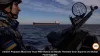
The United States has said its Navy has the capability to maintain a blockade of Iran indefinitely, signalling that Washington is prepared for a prolonged confrontation with Tehran.

US Defense Secretary Pete Hegseth said on Thursday that American forces could sustain the naval operation by rotating ships in and out of the region. His comments came as efforts to revive ceasefire negotiations appeared to have stalled.

The confrontation has already placed additional pressure on Iran’s economy, while disruption around the Strait of Hormuz is creating wider concerns over global energy supplies.

Washington Plans More Economic Pressure

US Treasury Secretary Scott Bessent separately warned that Washington would announce further measures against Iran next week.

The United States has already tightened sanctions targeting Iranian individuals and entities accused of supporting weapons procurement. Washington now appears prepared to expand the economic campaign as diplomatic efforts struggle to produce a new agreement.

The pressure is aimed at reducing Tehran’s access to financial resources and increasing the economic cost of continuing the conflict.

Iran Tightens Grip on Strait of Hormuz

Iran has sought to use the Strait of Hormuz as leverage in negotiations with Washington. Tehran has said the strategic waterway will not fully reopen to commercial shipping until its demands are addressed.

Iran’s conditions reportedly include the removal of economic sanctions and the release of frozen Iranian assets.

The waterway is particularly important to global energy markets because a significant share of the world’s oil and liquefied natural gas previously passed through it.

UAE Reports Attacks on Two Vessels

The United Arab Emirates said two vessels operated by state-owned Abu Dhabi National Oil Company were attacked while travelling through the Strait of Hormuz on Thursday evening.

UAE authorities condemned what they described as an Iranian attack. The incident added to concerns over the safety of commercial shipping through the strategically important waterway.

Shipping traffic has already fallen sharply. Reuters reported that only eight vessels passed through the strait on Tuesday, compared with a 10-day average of around 12 vessels and roughly 130 to 140 vessels before the war began.

Global Oil Supply Forecast Cut

The disruption is increasingly affecting the global energy outlook. The International Energy Agency has forecast that global oil supply could decline by around 4.3 million barrels per day, or approximately 4%, this year.

That estimate is lower than the agency’s previous forecast of a 3.7 million-barrel-per-day decline.

Oil prices nevertheless settled more than 2% lower on Thursday as traders focused on weaker demand expectations and a significant rise in US crude inventories. However, renewed attacks in the region continued to create uncertainty in energy markets.

Houthis Add to Regional Concerns

Regional tensions also increased after Yemen’s Iran-backed Houthis said they had targeted a Saudi Aramco refinery in Jazan with drones.

Any further expansion of attacks against energy infrastructure could put additional pressure on oil markets and global trade routes. Economists have warned that a prolonged conflict could weigh heavily on global economic growth and increase recession risks in some economies.

The uncertainty is particularly significant for countries that depend heavily on imported energy.

Trump Faces Pressure at Home

US President Donald Trump is facing domestic pressure to end the conflict as high fuel prices affect American consumers and could become an issue ahead of November’s midterm elections.

Trump has repeatedly claimed that the United States has control over the Strait of Hormuz, while Iran has rejected that assertion.

Earlier this week, Trump indicated that Washington could rely more heavily on economic pressure rather than immediately expanding military action. He has previously threatened further strikes but has so far resisted deploying US ground troops or taking other major escalation measures.

Ceasefire Talks Remain Uncertain

A tentative agreement reached in June to end the conflict has effectively collapsed, leaving both sides without a clear diplomatic path forward.

Hegseth said the US objective remains preventing Iran from obtaining a nuclear weapon and declined to comment on whether the earlier ceasefire should have been declared.

With Washington preparing additional economic measures and maintaining its naval blockade, the confrontation now appears set for another uncertain phase. The Strait of Hormuz remains the central pressure point, with any prolonged disruption carrying consequences for energy prices, shipping and the wider global economy.


english.dainikjagranmpcg.com
14 Aug 2026 By Sandeep.P

US Says Iran Naval Blockade Can Continue Indefinitely Amid Rising Tensions

Digital Desk

The United States says it can maintain its naval blockade of Iran indefinitely and plans further economic pressure on Tehran as ceasefire talks remain stalled. Tensions around the Strait of Hormuz are also threatening global oil supplies.

The United States has said its Navy has the capability to maintain a blockade of Iran indefinitely, signalling that Washington is prepared for a prolonged confrontation with Tehran.

US Defense Secretary Pete Hegseth said on Thursday that American forces could sustain the naval operation by rotating ships in and out of the region. His comments came as efforts to revive ceasefire negotiations appeared to have stalled.

The confrontation has already placed additional pressure on Iran’s economy, while disruption around the Strait of Hormuz is creating wider concerns over global energy supplies.

Washington Plans More Economic Pressure

US Treasury Secretary Scott Bessent separately warned that Washington would announce further measures against Iran next week.

The United States has already tightened sanctions targeting Iranian individuals and entities accused of supporting weapons procurement. Washington now appears prepared to expand the economic campaign as diplomatic efforts struggle to produce a new agreement.

The pressure is aimed at reducing Tehran’s access to financial resources and increasing the economic cost of continuing the conflict.

Iran Tightens Grip on Strait of Hormuz

Iran has sought to use the Strait of Hormuz as leverage in negotiations with Washington. Tehran has said the strategic waterway will not fully reopen to commercial shipping until its demands are addressed.

Iran’s conditions reportedly include the removal of economic sanctions and the release of frozen Iranian assets.

The waterway is particularly important to global energy markets because a significant share of the world’s oil and liquefied natural gas previously passed through it.

UAE Reports Attacks on Two Vessels

The United Arab Emirates said two vessels operated by state-owned Abu Dhabi National Oil Company were attacked while travelling through the Strait of Hormuz on Thursday evening.

UAE authorities condemned what they described as an Iranian attack. The incident added to concerns over the safety of commercial shipping through the strategically important waterway.

Shipping traffic has already fallen sharply. Reuters reported that only eight vessels passed through the strait on Tuesday, compared with a 10-day average of around 12 vessels and roughly 130 to 140 vessels before the war began.

Global Oil Supply Forecast Cut

The disruption is increasingly affecting the global energy outlook. The International Energy Agency has forecast that global oil supply could decline by around 4.3 million barrels per day, or approximately 4%, this year.

That estimate is lower than the agency’s previous forecast of a 3.7 million-barrel-per-day decline.

Oil prices nevertheless settled more than 2% lower on Thursday as traders focused on weaker demand expectations and a significant rise in US crude inventories. However, renewed attacks in the region continued to create uncertainty in energy markets.

Houthis Add to Regional Concerns

Regional tensions also increased after Yemen’s Iran-backed Houthis said they had targeted a Saudi Aramco refinery in Jazan with drones.

Any further expansion of attacks against energy infrastructure could put additional pressure on oil markets and global trade routes. Economists have warned that a prolonged conflict could weigh heavily on global economic growth and increase recession risks in some economies.

The uncertainty is particularly significant for countries that depend heavily on imported energy.

Trump Faces Pressure at Home

US President Donald Trump is facing domestic pressure to end the conflict as high fuel prices affect American consumers and could become an issue ahead of November’s midterm elections.

Trump has repeatedly claimed that the United States has control over the Strait of Hormuz, while Iran has rejected that assertion.

Earlier this week, Trump indicated that Washington could rely more heavily on economic pressure rather than immediately expanding military action. He has previously threatened further strikes but has so far resisted deploying US ground troops or taking other major escalation measures.

Ceasefire Talks Remain Uncertain

A tentative agreement reached in June to end the conflict has effectively collapsed, leaving both sides without a clear diplomatic path forward.

Hegseth said the US objective remains preventing Iran from obtaining a nuclear weapon and declined to comment on whether the earlier ceasefire should have been declared.

With Washington preparing additional economic measures and maintaining its naval blockade, the confrontation now appears set for another uncertain phase. The Strait of Hormuz remains the central pressure point, with any prolonged disruption carrying consequences for energy prices, shipping and the wider global economy.
https://english.dainikjagranmpcg.com/international/us-says-iran-naval-blockade-can-continue-indefinitely-amid-rising/article-26034

Recommended For You

--------

🚨 Beat the News Rush – Join Now!

Get breaking alerts, hot exclusives, and game-changing stories instantly on your phone. No delays, no fluff – just the edge you need. ⚡

Tap to join: 

🟢 WhatsApp Channel: Dainik Jagran MP CG

Crave more?

🅕 Facebook: Dainik Jagran MP CG English

🅧 Twitter (X): Dainik Jagran MP CG

🅘 Instagram: Dainik Jagran MP CG

Share the fire – keep your crew ahead! 🗞️🔥

Trending News