Summer Health Precautions: Natural Health Hacks for Vulnerable Groups 2026
Digital Desk
Summer health precautions for vulnerable groups including children, elderly, and outdoor workers. Natural health hacks from official health advisory to beat heat.
The Directorate General of Health Services (DGHS) has issued a comprehensive advisory identifying infants, children, pregnant women, elderly persons, outdoor workers, and individuals suffering from chronic illnesses such as heart disease and hypertension as particularly vulnerable during heatwave conditions. Special natural health hacks and precautions have been recommended for these groups.
The Ministry of Ayush advisory emphasizes that special care and monitoring are required for vulnerable populations during heatwave conditions. For workplaces, public gatherings, and outdoor activities, the advisory recommends provision of shaded rest areas, regular hydration breaks, and acclimatization measures for workers. These measures are essential natural health hacks for preventing heat-related illnesses in those most at risk.
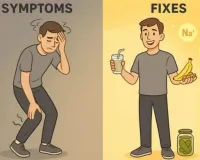
The advisory cautions citizens to remain alert for signs of heat stress including dizziness, headache, nausea, altered mental status, high body temperature, dehydration, seizures, and fainting. Heatstroke has been identified as a medical emergency requiring immediate medical attention. The advisory recommends promptly calling emergency helplines 108 or 102 in severe cases.
The Ayurveda section recommends cooling dietary practices and intake of hydrating beverages such as buttermilk, coconut water, and lemon-based drinks. Traditional preparations including Nimbukaphala Panaka (lemonade), Amra Prapanaka (raw mango sharbat), and Chincha Panaka (tamarind drink) are specifically recommended for helping regulate body temperature during extreme heat.
The Siddha and Yoga sections of the advisory recommend cooling refreshments and breathing techniques such as Sheetali Pranayama, along with gentle yoga practices for reducing heat stress. These natural health hacks are particularly beneficial for vulnerable groups who may need non-pharmaceutical approaches to managing heat stress.
The advisory emphasizes adequate hydration, avoiding direct exposure to sunlight during peak hours, and wearing light cotton clothing as essential precautions. The Unani system recommends traditional cooling drinks and herbal applications to prevent sunburn and dehydration, while the Homoeopathy section suggests precautionary measures during peak heat hours.
As climate patterns shift and summer temperatures continue rising, health officials advise citizens to regularly follow weather updates issued by the India Meteorological Department and take necessary precautions during heatwave alerts. The integration of traditional natural health hacks with modern medical guidelines represents a comprehensive approach to protecting all sections of society from heat-related health risks.

--------
๐จ Beat the News Rush โ Join Now!
Get breaking alerts, hot exclusives, and game-changing stories instantly on your phone. No delays, no fluff โ just the edge you need. โก
Tap to join:ย
๐ข WhatsApp Channel: Dainik Jagran MP CG
Crave more?
๐ Facebook: Dainik Jagran MP CG English
๐ ง Twitter (X): Dainik Jagran MP CG
๐ Instagram: Dainik Jagran MP CG
Share the fire โ keep your crew ahead! ๐๏ธ๐ฅ
Summer Health Precautions: Natural Health Hacks for Vulnerable Groups 2026
Digital Desk
The Directorate General of Health Services (DGHS) has issued a comprehensive advisory identifying infants, children, pregnant women, elderly persons, outdoor workers, and individuals suffering from chronic illnesses such as heart disease and hypertension as particularly vulnerable during heatwave conditions. Special natural health hacks and precautions have been recommended for these groups.
The Ministry of Ayush advisory emphasizes that special care and monitoring are required for vulnerable populations during heatwave conditions. For workplaces, public gatherings, and outdoor activities, the advisory recommends provision of shaded rest areas, regular hydration breaks, and acclimatization measures for workers. These measures are essential natural health hacks for preventing heat-related illnesses in those most at risk.
The advisory cautions citizens to remain alert for signs of heat stress including dizziness, headache, nausea, altered mental status, high body temperature, dehydration, seizures, and fainting. Heatstroke has been identified as a medical emergency requiring immediate medical attention. The advisory recommends promptly calling emergency helplines 108 or 102 in severe cases.
The Ayurveda section recommends cooling dietary practices and intake of hydrating beverages such as buttermilk, coconut water, and lemon-based drinks. Traditional preparations including Nimbukaphala Panaka (lemonade), Amra Prapanaka (raw mango sharbat), and Chincha Panaka (tamarind drink) are specifically recommended for helping regulate body temperature during extreme heat.
The Siddha and Yoga sections of the advisory recommend cooling refreshments and breathing techniques such as Sheetali Pranayama, along with gentle yoga practices for reducing heat stress. These natural health hacks are particularly beneficial for vulnerable groups who may need non-pharmaceutical approaches to managing heat stress.
The advisory emphasizes adequate hydration, avoiding direct exposure to sunlight during peak hours, and wearing light cotton clothing as essential precautions. The Unani system recommends traditional cooling drinks and herbal applications to prevent sunburn and dehydration, while the Homoeopathy section suggests precautionary measures during peak heat hours.
As climate patterns shift and summer temperatures continue rising, health officials advise citizens to regularly follow weather updates issued by the India Meteorological Department and take necessary precautions during heatwave alerts. The integration of traditional natural health hacks with modern medical guidelines represents a comprehensive approach to protecting all sections of society from heat-related health risks.