


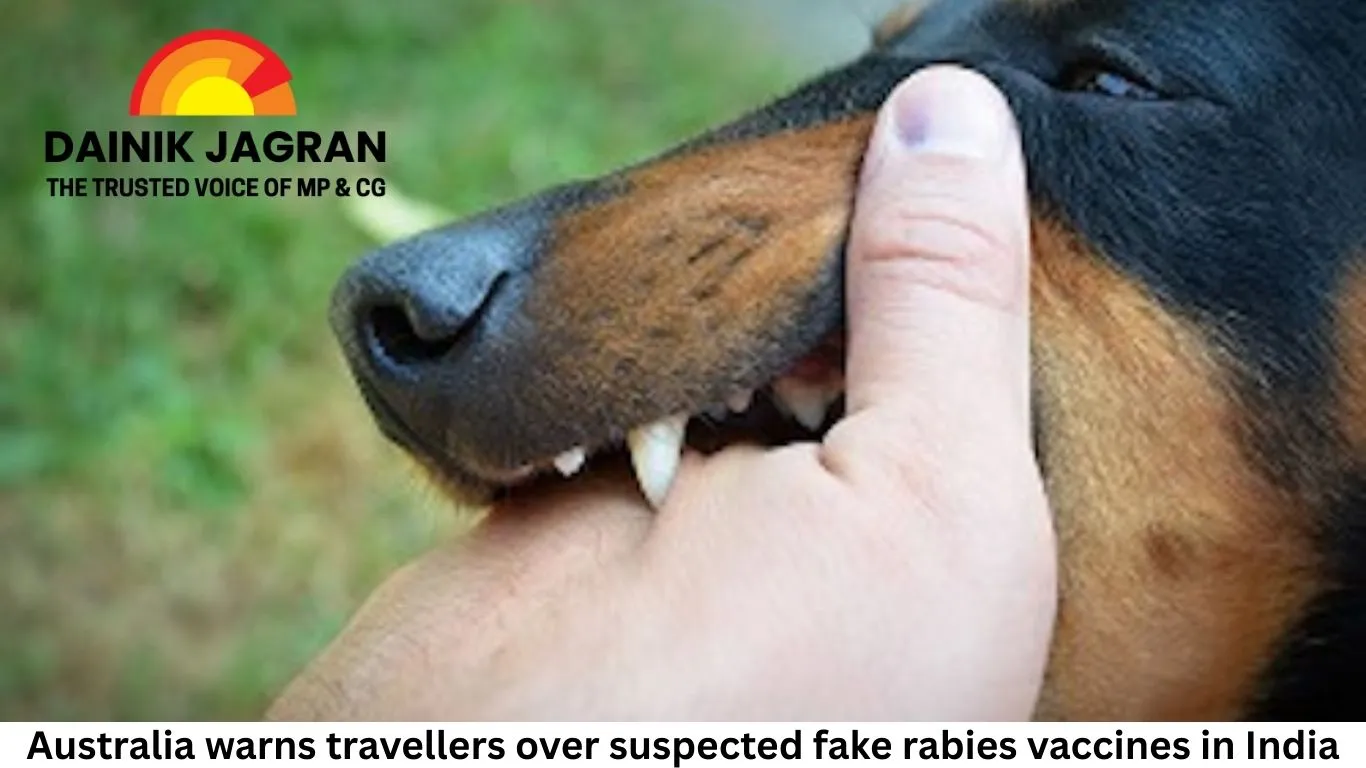
Australia warns travellers over suspected fake rabies vaccines in India; ABHAYRAB doses may be ineffective
Digital Desk
The advisory was released on Friday by the Australian Technical Advisory Group on Immunisation (ATAGI), which said the suspect vaccines may not contain the required amount of active ingredient needed to provide effective immunity. As a result, individuals who received these doses could face a higher risk of developing rabies if exposed to the virus.
Although ABHAYRAB is not approved or used in Australia, the warning is aimed primarily at Australian travellers who were vaccinated in India over the past year. ATAGI advised such individuals to treat the doses as potentially invalid and seek revaccination with internationally recognised rabies vaccines such as Rabipur or Verorab.
Health officials said the advisory was issued as a precautionary measure following reports of fake vaccine batches in circulation. ATAGI stressed that people who received rabies vaccinations outside India, or those with clear records confirming the use of verified brands, are not affected by the warning.
The development carries serious implications for India, where rabies remains a significant public health concern. According to estimates by the World Health Organisation (WHO), between 18,000 and 20,000 people die from rabies in India every year, largely due to dog bites. On average, one rabies-related death occurs every 30 minutes in the country.
Rabies is almost always fatal once clinical symptoms appear, making prevention through timely post-exposure treatment critical. Standard treatment includes immediate and thorough washing of the wound, administration of rabies vaccines according to a fixed schedule, and the use of Rabies Immunoglobulin (RIG) in severe exposure cases.
The warning comes amid renewed attention on rabies prevention following the recent death of a six-year-old girl in Thane, Maharashtra, who reportedly succumbed to the disease despite receiving four doses of a rabies vaccine. Authorities are investigating the case, with differing accounts on whether RIG was administered as required.
Public health experts say the incident highlights gaps in awareness, documentation and follow-up care in rabies management. ATAGI, in its advisory, emphasised the importance of maintaining accurate vaccination records, including the vaccine brand, batch number and dates of administration.
Indian health professionals have urged individuals who received ABHAYRAB after November 2023, or who are uncertain about the vaccine brand used, to consult qualified healthcare providers without delay. Doctors may recommend replacement doses with verified vaccines to ensure full protection.
Officials also stressed that the advisory does not imply all rabies vaccines administered in India are unsafe, but serves as a reminder of the risks posed by counterfeit medical products. Authorities underlined that rabies is entirely preventable when proper protocols are followed, and timely, verified vaccination remains the most effective safeguard against a disease that continues to claim thousands of lives each year.




.jpg)




