

The event was attended by ITRHD Chairman S.K. Misra, agritourism pioneer Pandurang Taware, architect and urban planner A.G. Krishnan Menon, and development professional Maureen Libel. Pandurang Taware, widely regarded as the Father of the Agritourism Concept in India, was the chief guest.
January 30 is observed by ITRHD as Rural Tourism Day to highlight the economic and cultural potential of rural India through heritage tourism, traditional crafts, and community-led initiatives. The date is significant as it marks Mahatma Gandhi’s martyrdom and reinforces his belief that India’s true strength lies in its villages. The initiative aims to generate local employment, reduce migration, empower women and youth, and preserve traditional skills and heritage.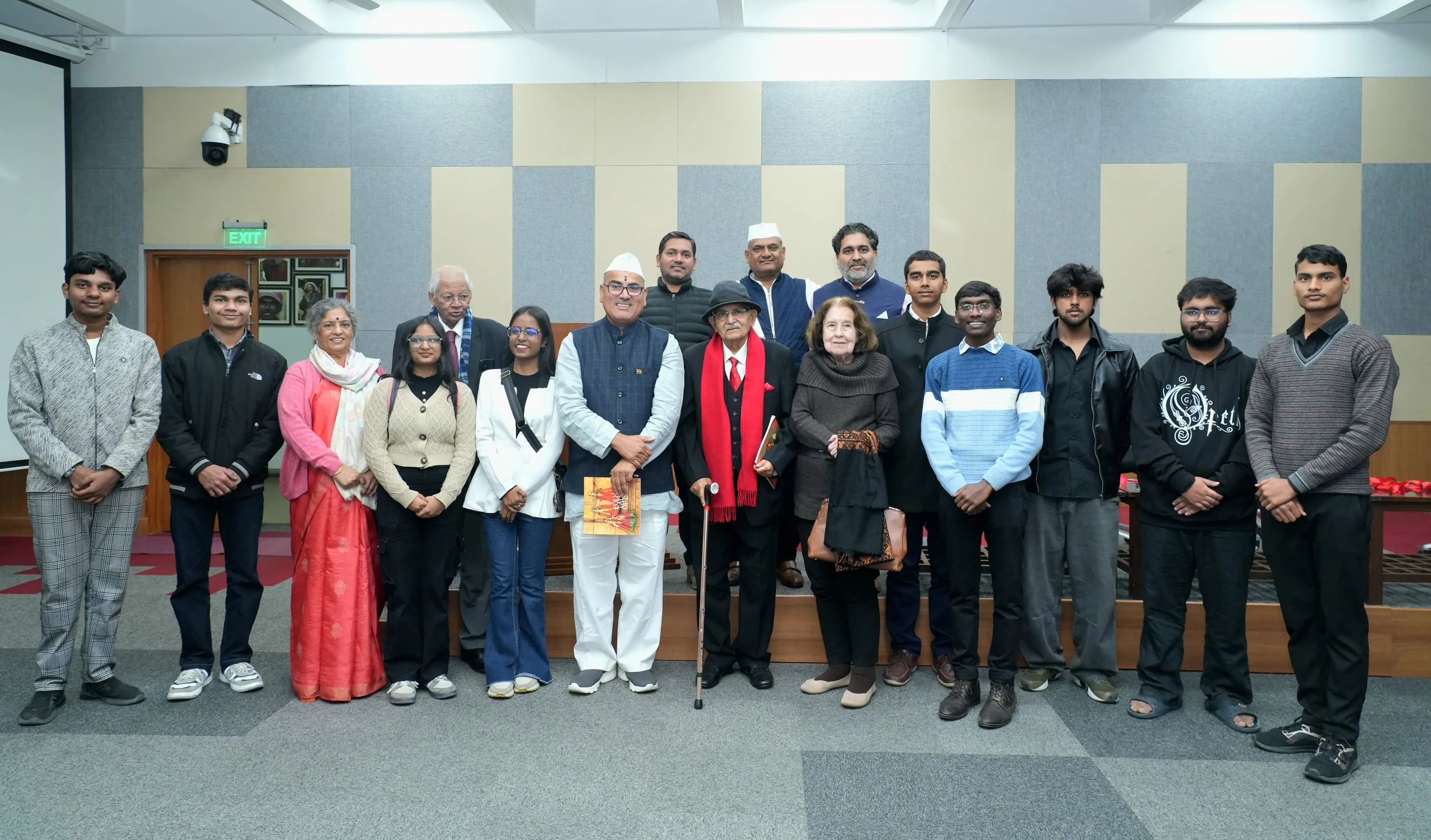
In his opening remarks, S.K. Misra stressed the importance of conserving rural heritage alongside development. He referred to the International Conference on the Preservation of Rural Buddhist Heritage organised in November 2025, which envisaged the creation of the country’s first dedicated academy focused on training, coordinated conservation planning, and community capacity-building for rural Buddhist heritage.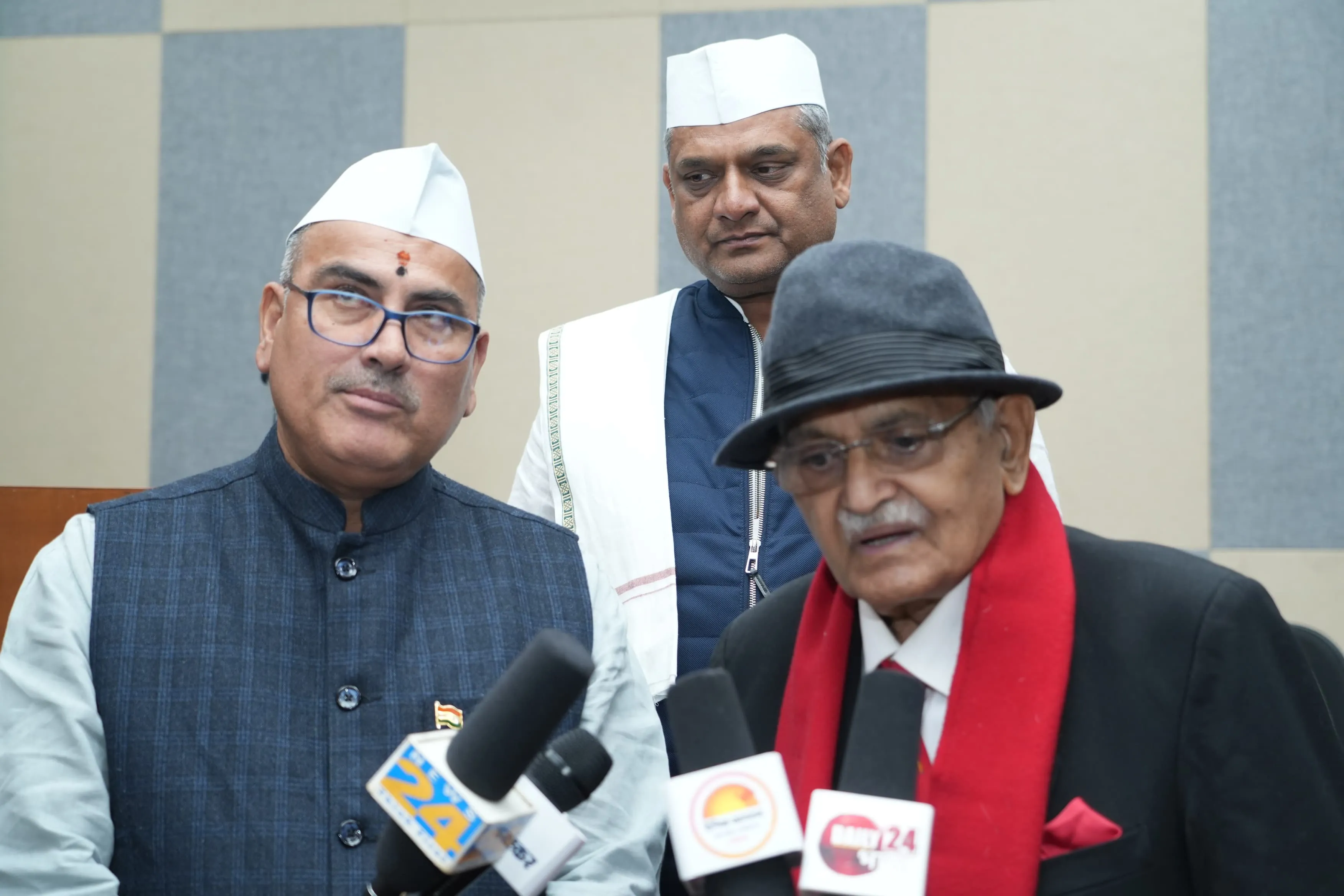
“Every year on January 30, we organise this event to remember Gandhiji, who was deeply committed to the welfare of village communities,” Misra said. “Rural tourism offers immense potential for employment generation, infrastructure development, and holistic growth. This year’s focus on agritourism reflects the need to strengthen village-based economies in a sustainable manner.”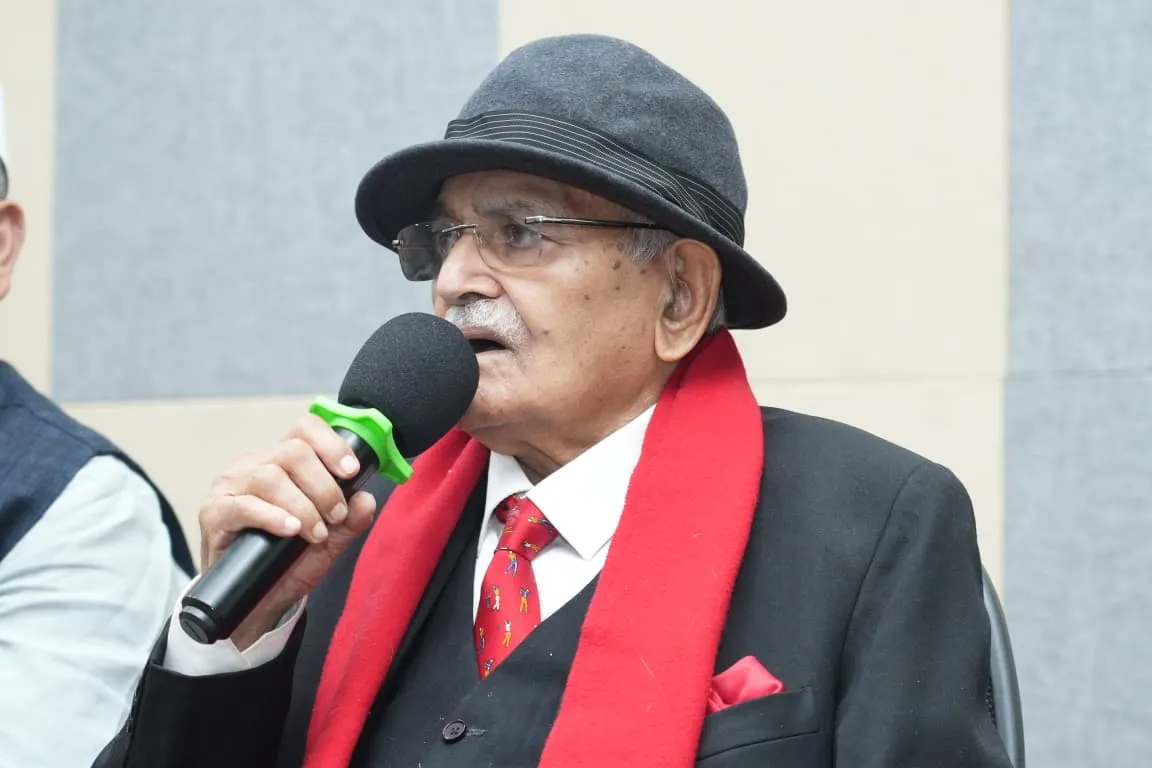
Architect and urban planner A.G. Krishnan Menon underlined that heritage and development must progress together, noting that heritage, when integrated thoughtfully, can become a catalyst for inclusive and sustainable development.
Maureen Libel, speaking at the event, highlighted ITRHD’s on-ground engagement in western Rajasthan. “ITRHD’s work in Barmer demonstrates how rural tourism can be linked with craft education and ecological understanding,” she said. “By supporting desert crafts and local knowledge systems, such initiatives not only create livelihoods but also help communities sustain their cultural identity and fragile ecosystems.”
Addressing the gathering, Pandurang Taware said, “January 30 is not only a day of remembrance but also of introspection. Mahatma Gandhi believed that India lives in its villages, where self-reliance, dignity of labour, and harmony with nature form the foundation of development. Agritourism puts these Gandhian ideals into practice by empowering farmers as entrepreneurs, creating local livelihoods for families and youth, preserving rural culture, and generating sustainable income without abandoning agriculture.”
Taware also shared examples from Maharashtra where small farmers have transformed loss-making farms into viable family-run enterprises through agritourism. He noted that agritourism enables farmers to connect directly with consumers, secure fair prices for their produce, and create sustainable income models within villages. He highlighted Maharashtra’s agritourism policy—the first of its kind in India—which has supported thousands of farmers across multiple districts.
The programme concluded with a reaffirmation of ITRHD’s commitment to promoting rural tourism and agritourism as effective instruments for sustainable livelihoods, heritage conservation, and the realisation of Mahatma Gandhi’s vision of self-reliant villages.

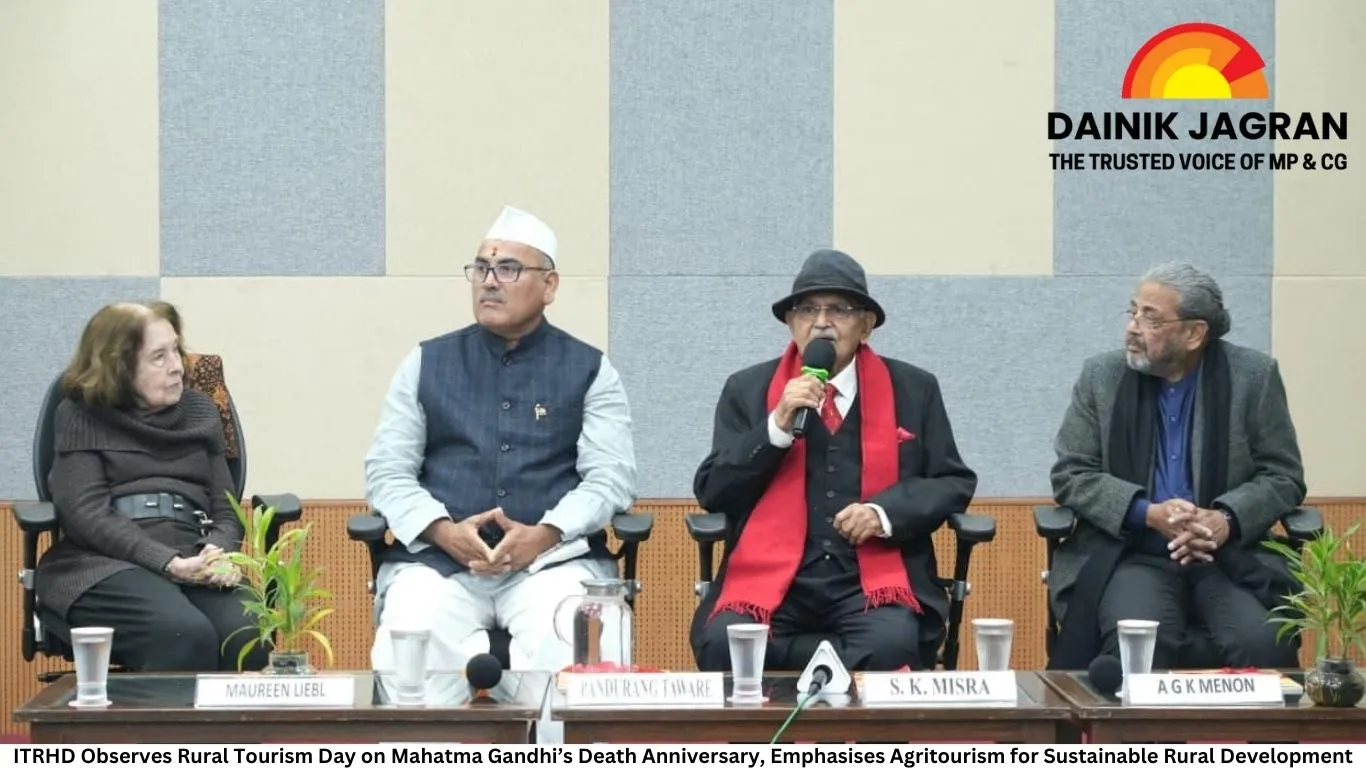
ITRHD Observes Rural Tourism Day on Mahatma Gandhi’s Death Anniversary, Emphasises Agritourism for Sustainable Rural Development
New Delhi
The event was attended by ITRHD Chairman S.K. Misra, agritourism pioneer Pandurang Taware, architect and urban planner A.G. Krishnan Menon, and development professional Maureen Libel. Pandurang Taware, widely regarded as the Father of the Agritourism Concept in India, was the chief guest.
January 30 is observed by ITRHD as Rural Tourism Day to highlight the economic and cultural potential of rural India through heritage tourism, traditional crafts, and community-led initiatives. The date is significant as it marks Mahatma Gandhi’s martyrdom and reinforces his belief that India’s true strength lies in its villages. The initiative aims to generate local employment, reduce migration, empower women and youth, and preserve traditional skills and heritage.
In his opening remarks, S.K. Misra stressed the importance of conserving rural heritage alongside development. He referred to the International Conference on the Preservation of Rural Buddhist Heritage organised in November 2025, which envisaged the creation of the country’s first dedicated academy focused on training, coordinated conservation planning, and community capacity-building for rural Buddhist heritage.
“Every year on January 30, we organise this event to remember Gandhiji, who was deeply committed to the welfare of village communities,” Misra said. “Rural tourism offers immense potential for employment generation, infrastructure development, and holistic growth. This year’s focus on agritourism reflects the need to strengthen village-based economies in a sustainable manner.”
Architect and urban planner A.G. Krishnan Menon underlined that heritage and development must progress together, noting that heritage, when integrated thoughtfully, can become a catalyst for inclusive and sustainable development.
Maureen Libel, speaking at the event, highlighted ITRHD’s on-ground engagement in western Rajasthan. “ITRHD’s work in Barmer demonstrates how rural tourism can be linked with craft education and ecological understanding,” she said. “By supporting desert crafts and local knowledge systems, such initiatives not only create livelihoods but also help communities sustain their cultural identity and fragile ecosystems.”
Addressing the gathering, Pandurang Taware said, “January 30 is not only a day of remembrance but also of introspection. Mahatma Gandhi believed that India lives in its villages, where self-reliance, dignity of labour, and harmony with nature form the foundation of development. Agritourism puts these Gandhian ideals into practice by empowering farmers as entrepreneurs, creating local livelihoods for families and youth, preserving rural culture, and generating sustainable income without abandoning agriculture.”
Taware also shared examples from Maharashtra where small farmers have transformed loss-making farms into viable family-run enterprises through agritourism. He noted that agritourism enables farmers to connect directly with consumers, secure fair prices for their produce, and create sustainable income models within villages. He highlighted Maharashtra’s agritourism policy—the first of its kind in India—which has supported thousands of farmers across multiple districts.
The programme concluded with a reaffirmation of ITRHD’s commitment to promoting rural tourism and agritourism as effective instruments for sustainable livelihoods, heritage conservation, and the realisation of Mahatma Gandhi’s vision of self-reliant villages.




.jpg)




