Over a period of 45 days, more than 350 people, including 200 local artisans, around 100 NID faculty, staff, alumni, and students, collaborated to produce 950 invitation kits, which were handed over to the President’s House. The kits feature a blend of traditional crafts such as handloom textiles, bamboo weaving, Shugu Sheng paper, black pottery, Puan Chi shawls, Tangkhul pottery, and Gogona musical instruments, reflecting the distinctive identity of each state.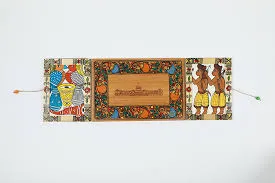
The invitation kits incorporate special handloom textiles and woven bamboo mats, emphasizing sustainable craftsmanship and the integral role of bamboo in the North East. Each kit’s design includes octagonal weaving patterns highlighting textiles from all eight states, with threads in three colours demonstrating traditional backstrap loom techniques widely used by women artisans in the region.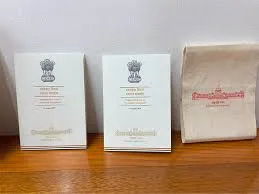
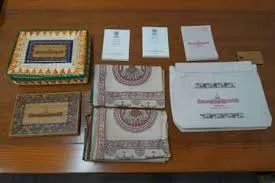
Unique representations include Sikkim’s Kanchenjunga embroidery, Meghalaya-inspired bamboo roofing models reflecting rain protection methods, Arunachal Pradesh’s Shugu Sheng paper shaped into the Mithun, Assam’s Gogona bamboo musical instruments, Tripura’s bamboo decorative items, Mizoram’s handwoven Puan Chi shawls, and Manipur’s black pottery depicting the Shirui Lily.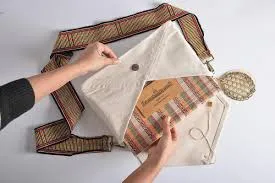
Professor Andrea Noronha of NID Ahmedabad said, “The North East has extremely diverse craft traditions. Our goal was to ensure each kit reflected this diversity, while maintaining craftsmanship, seasonal material availability, and aesthetic appeal.” Over 200 artisans worked from their native villages, sourcing all materials locally, while NID members oversaw assembly and quality control.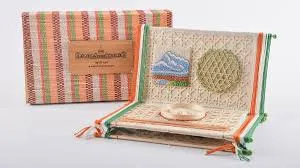
The project underscores the government’s effort to celebrate India’s cultural diversity and promote traditional crafts on a national stage. By showcasing the artistry and skill of North Eastern artisans, the kits serve as a testament to India’s rich craft heritage and the collaborative spirit of design education and indigenous craftsmanship.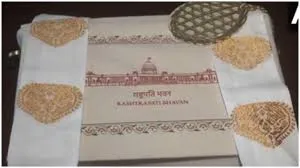
This initiative also highlights the growing recognition of regional crafts in India’s national celebrations, strengthening local economies and supporting artisans in preserving traditional techniques.

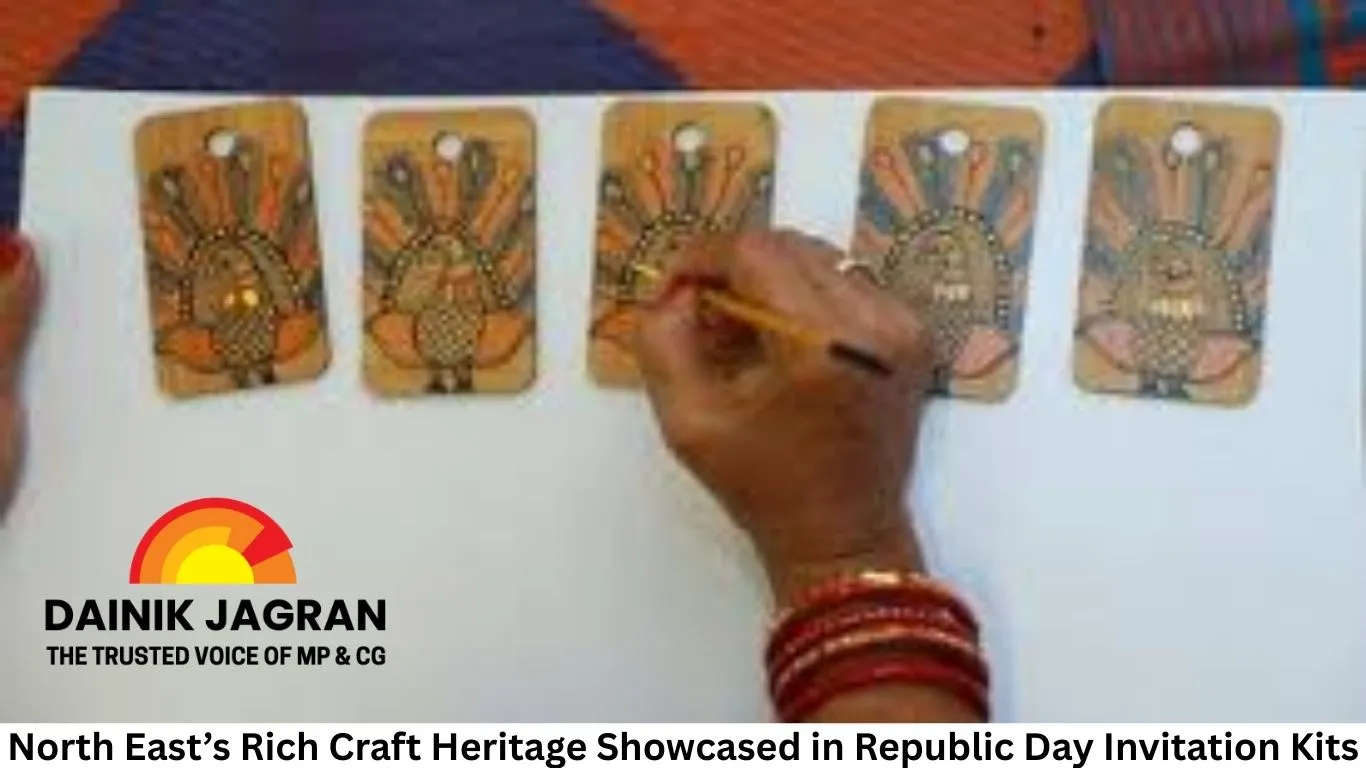
North East’s Rich Craft Heritage Showcased in Republic Day Invitation Kits
Digital Desk
Over a period of 45 days, more than 350 people, including 200 local artisans, around 100 NID faculty, staff, alumni, and students, collaborated to produce 950 invitation kits, which were handed over to the President’s House. The kits feature a blend of traditional crafts such as handloom textiles, bamboo weaving, Shugu Sheng paper, black pottery, Puan Chi shawls, Tangkhul pottery, and Gogona musical instruments, reflecting the distinctive identity of each state.
The invitation kits incorporate special handloom textiles and woven bamboo mats, emphasizing sustainable craftsmanship and the integral role of bamboo in the North East. Each kit’s design includes octagonal weaving patterns highlighting textiles from all eight states, with threads in three colours demonstrating traditional backstrap loom techniques widely used by women artisans in the region.
Unique representations include Sikkim’s Kanchenjunga embroidery, Meghalaya-inspired bamboo roofing models reflecting rain protection methods, Arunachal Pradesh’s Shugu Sheng paper shaped into the Mithun, Assam’s Gogona bamboo musical instruments, Tripura’s bamboo decorative items, Mizoram’s handwoven Puan Chi shawls, and Manipur’s black pottery depicting the Shirui Lily.
Professor Andrea Noronha of NID Ahmedabad said, “The North East has extremely diverse craft traditions. Our goal was to ensure each kit reflected this diversity, while maintaining craftsmanship, seasonal material availability, and aesthetic appeal.” Over 200 artisans worked from their native villages, sourcing all materials locally, while NID members oversaw assembly and quality control.
The project underscores the government’s effort to celebrate India’s cultural diversity and promote traditional crafts on a national stage. By showcasing the artistry and skill of North Eastern artisans, the kits serve as a testament to India’s rich craft heritage and the collaborative spirit of design education and indigenous craftsmanship.
This initiative also highlights the growing recognition of regional crafts in India’s national celebrations, strengthening local economies and supporting artisans in preserving traditional techniques.