

UK Regulator Seeks Explanation From Air India Over Boeing 787 Fuel Switch Issue
Digital Desk
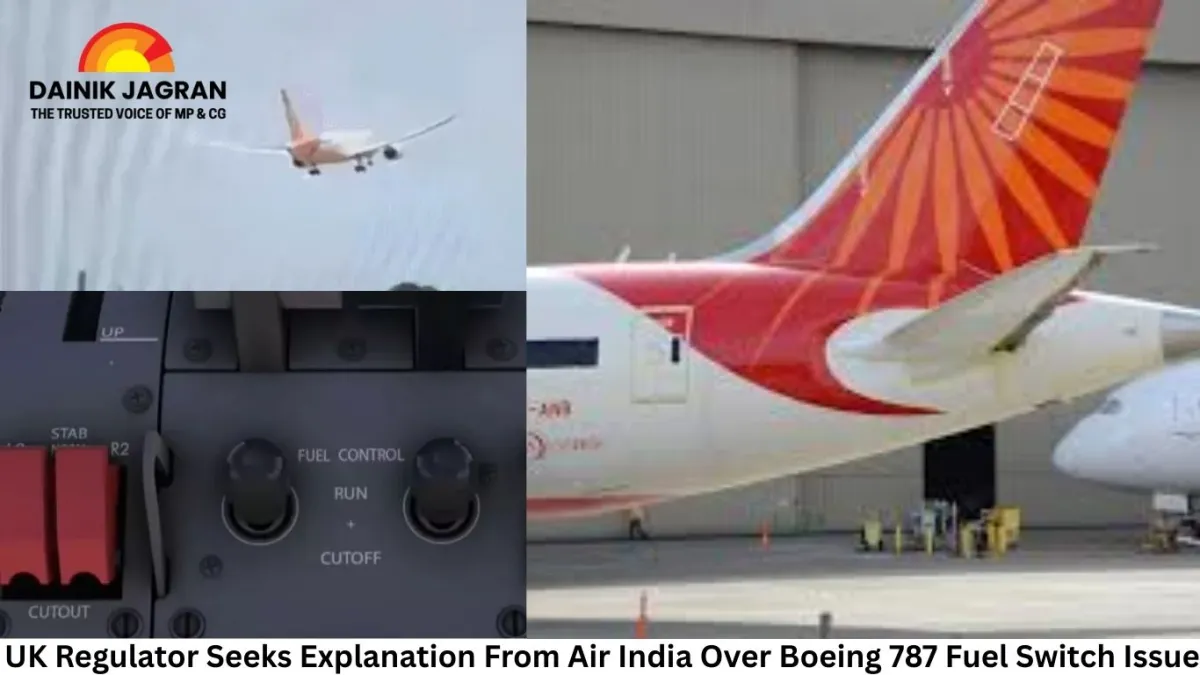
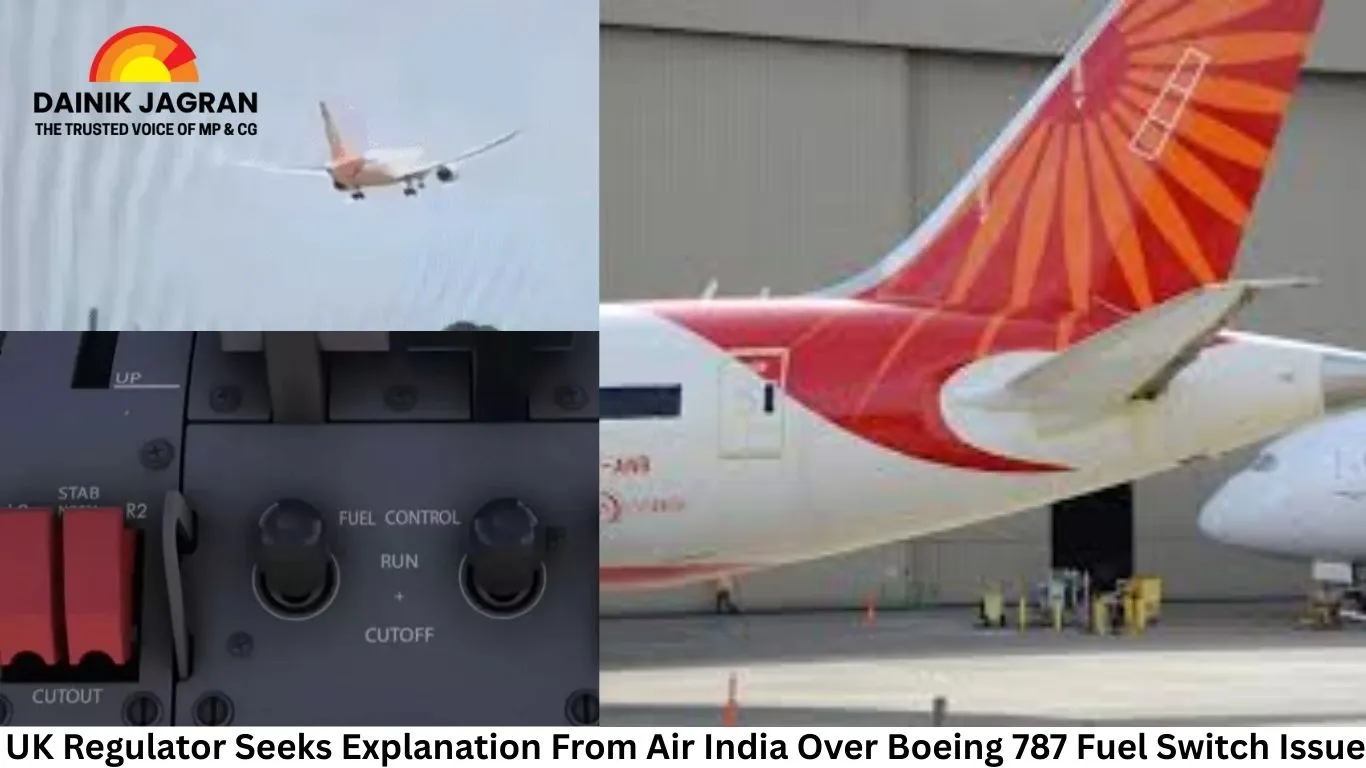
The matter came to light after the London–Bengaluru flight landed safely on Sunday, carrying around 200 passengers. During the approach and landing, the pilot flagged a possible malfunction in the aircraft’s Fuel Control Switch (FCS). Following the report, the aircraft was grounded in Bengaluru for precautionary inspections.
In a formal communication, the UK aviation regulator asked Air India to clarify why the aircraft was cleared for departure from Heathrow if a fault related to the fuel control switch had been identified. The CAA has indicated that failure to provide a satisfactory explanation could lead to regulatory action, potentially affecting the airline’s Boeing 787 operations. Air India currently has 33 Dreamliners in its fleet, with 28 in active service.
Responding to the development, Air India said it had conducted precautionary checks across all operational Boeing 787 aircraft and found no technical defects in the fuel control switches. The airline maintained that the fleet remains airworthy and compliant with safety standards.
India’s aviation regulator, the Directorate General of Civil Aviation (DGCA), has also examined the incident. In its initial assessment, the DGCA noted that while no mechanical defect was established, the “apparently correct procedure” for operating the fuel control switch was not followed. The regulator has directed Air India to ensure strict adherence to standard operating procedures by flight crews.
The issue has drawn heightened scrutiny due to its wider safety implications. It follows last year’s fatal crash of an Air India Boeing 787-8 operating from Ahmedabad to London on June 12, in which 260 people lost their lives. A preliminary investigation found that fuel supply to the engines was cut off shortly after take-off, and the Aircraft Accident Investigation Bureau later reported that the fuel control switches had been moved to the cutoff position. In the aftermath, the DGCA ordered all airlines in July 2025 to conduct checks of fuel switch systems.
Fuel control switches play a critical role in aircraft operations. Located near the thrust levers, they regulate fuel flow to each engine. Set to “run,” they allow fuel supply for normal engine operation; moved to “cutoff,” they immediately shut down the engine. The switches are designed with multiple safeguards, including spring-loading and detents, to prevent accidental movement.
The CAA’s inquiry underscores growing international coordination on aviation safety oversight. Its findings, along with responses from Air India and Indian regulators, are expected to influence future operational protocols and regulatory actions involving the Boeing 787 fleet.
.jpg)




