Demand Grows to Split Jammu and Kashmir Into Two States; Sajjad Lone Calls for ‘Peaceful and Balanced Separation’
Digital Desk
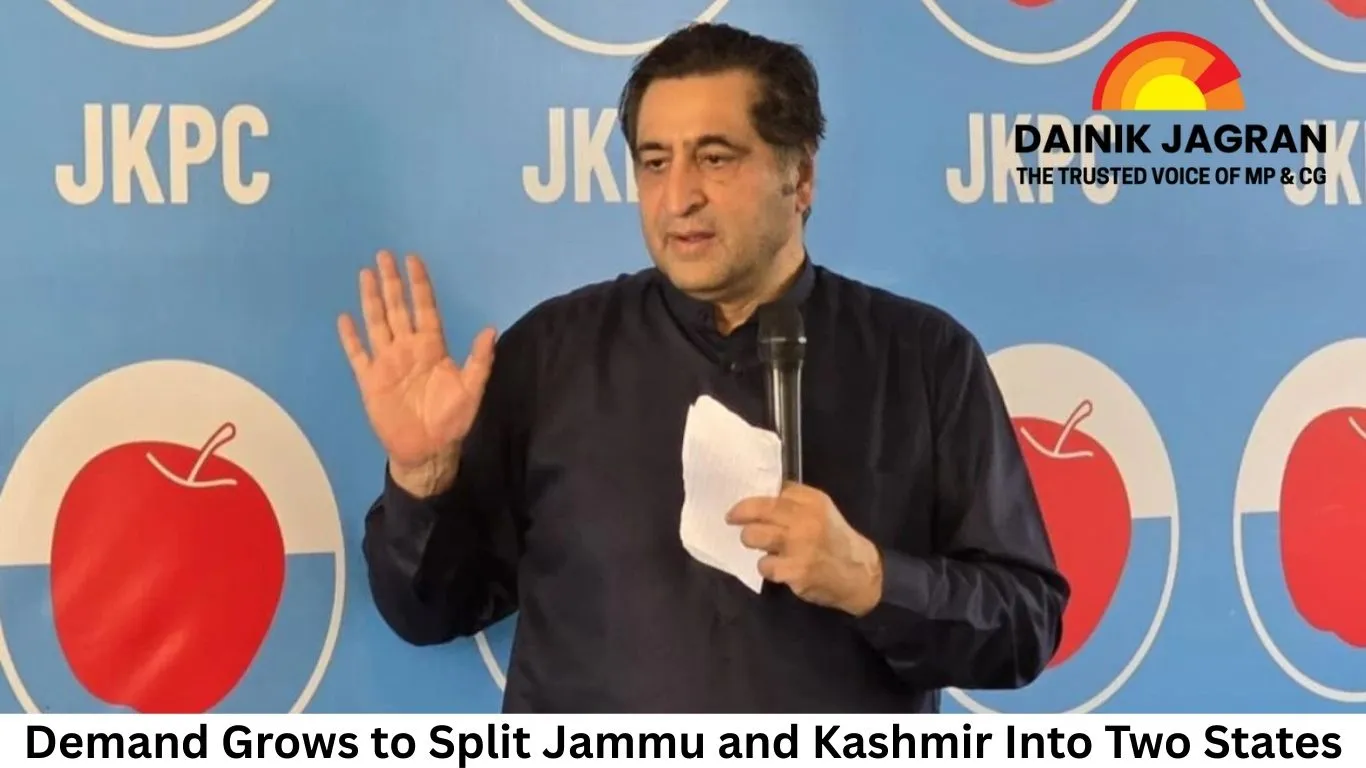
People’s Conference chairman and former Jammu and Kashmir minister Sajjad Lone on Wednesday called for a serious debate on splitting Jammu and Kashmir into two separate states, arguing that the existing administrative arrangement has deepened regional mistrust and unfairly stigmatised Kashmiris.
Addressing a press conference in Srinagar, Lone said the time had come to consider an “amicable and peaceful” separation of Jammu and Kashmir, stressing that the issue was no longer limited to development or governance. According to him, a growing narrative portrays Jammu as standing firmly with the nation while Kashmir is repeatedly projected as a hub of terrorism, a depiction he strongly rejected.
“Kashmir can no longer tolerate being constantly defamed,” Lone said, adding that such regional labelling damages social cohesion and alienates ordinary Kashmiris. He argued that this mindset has widened the political and emotional gap between the two regions and fuels resentment rather than integration.
Lone’s remarks come days after BJP MLA from Jammu North, Shyam Lal Sharma, demanded statehood for Jammu, claiming the region was being forced to “carry the burden of Kashmir.” While the BJP later clarified that Sharma’s statement did not reflect the party’s official position, the comment has intensified debate over Jammu and Kashmir’s future administrative structure.
Calling on Chief Minister Omar Abdullah, Lone also raised the issue of a National Law University (NLU) promised during elections. He urged the government to establish the institution in Budgam district, as originally committed. “Honouring this promise is a matter of dignity and credibility,” Lone said, adding that shifting or diluting the plan would further marginalise Kashmir.
The People’s Conference leader maintained that Kashmir’s relationship with the rest of India cannot be strengthened through what he described as “middlemen” who, in his view, repeatedly harm the region’s image. He said dialogue and integration efforts lose credibility when Kashmiris are collectively branded or excluded from fair political representation.
Lone also pointed to changing sentiments in the Valley, claiming that discontent has grown over issues such as reservations, administrative decisions, and perceived sidelining of Kashmiri voices. He asserted that calls for separation now resonate more strongly among sections of the population than in the past, and political leadership must address these concerns openly.
While Lone did not outline a formal roadmap for separation, he emphasised that any discussion should be constitutional, democratic, and non-violent. The issue is expected to spark wider political reactions, especially as Jammu and Kashmir continues to navigate post-reorganisation challenges and debates over statehood, autonomy, and regional balance.

--------
🚨 Beat the News Rush – Join Now!
Get breaking alerts, hot exclusives, and game-changing stories instantly on your phone. No delays, no fluff – just the edge you need. ⚡
Tap to join:
🟢 WhatsApp Channel: Dainik Jagran MP CG
Crave more?
🅕 Facebook: Dainik Jagran MP CG English
🅧 Twitter (X): Dainik Jagran MP CG
🅘 Instagram: Dainik Jagran MP CG
Share the fire – keep your crew ahead! 🗞️🔥
Demand Grows to Split Jammu and Kashmir Into Two States; Sajjad Lone Calls for ‘Peaceful and Balanced Separation’
Digital Desk
Addressing a press conference in Srinagar, Lone said the time had come to consider an “amicable and peaceful” separation of Jammu and Kashmir, stressing that the issue was no longer limited to development or governance. According to him, a growing narrative portrays Jammu as standing firmly with the nation while Kashmir is repeatedly projected as a hub of terrorism, a depiction he strongly rejected.
“Kashmir can no longer tolerate being constantly defamed,” Lone said, adding that such regional labelling damages social cohesion and alienates ordinary Kashmiris. He argued that this mindset has widened the political and emotional gap between the two regions and fuels resentment rather than integration.
Lone’s remarks come days after BJP MLA from Jammu North, Shyam Lal Sharma, demanded statehood for Jammu, claiming the region was being forced to “carry the burden of Kashmir.” While the BJP later clarified that Sharma’s statement did not reflect the party’s official position, the comment has intensified debate over Jammu and Kashmir’s future administrative structure.
Calling on Chief Minister Omar Abdullah, Lone also raised the issue of a National Law University (NLU) promised during elections. He urged the government to establish the institution in Budgam district, as originally committed. “Honouring this promise is a matter of dignity and credibility,” Lone said, adding that shifting or diluting the plan would further marginalise Kashmir.
The People’s Conference leader maintained that Kashmir’s relationship with the rest of India cannot be strengthened through what he described as “middlemen” who, in his view, repeatedly harm the region’s image. He said dialogue and integration efforts lose credibility when Kashmiris are collectively branded or excluded from fair political representation.
Lone also pointed to changing sentiments in the Valley, claiming that discontent has grown over issues such as reservations, administrative decisions, and perceived sidelining of Kashmiri voices. He asserted that calls for separation now resonate more strongly among sections of the population than in the past, and political leadership must address these concerns openly.
While Lone did not outline a formal roadmap for separation, he emphasised that any discussion should be constitutional, democratic, and non-violent. The issue is expected to spark wider political reactions, especially as Jammu and Kashmir continues to navigate post-reorganisation challenges and debates over statehood, autonomy, and regional balance.