
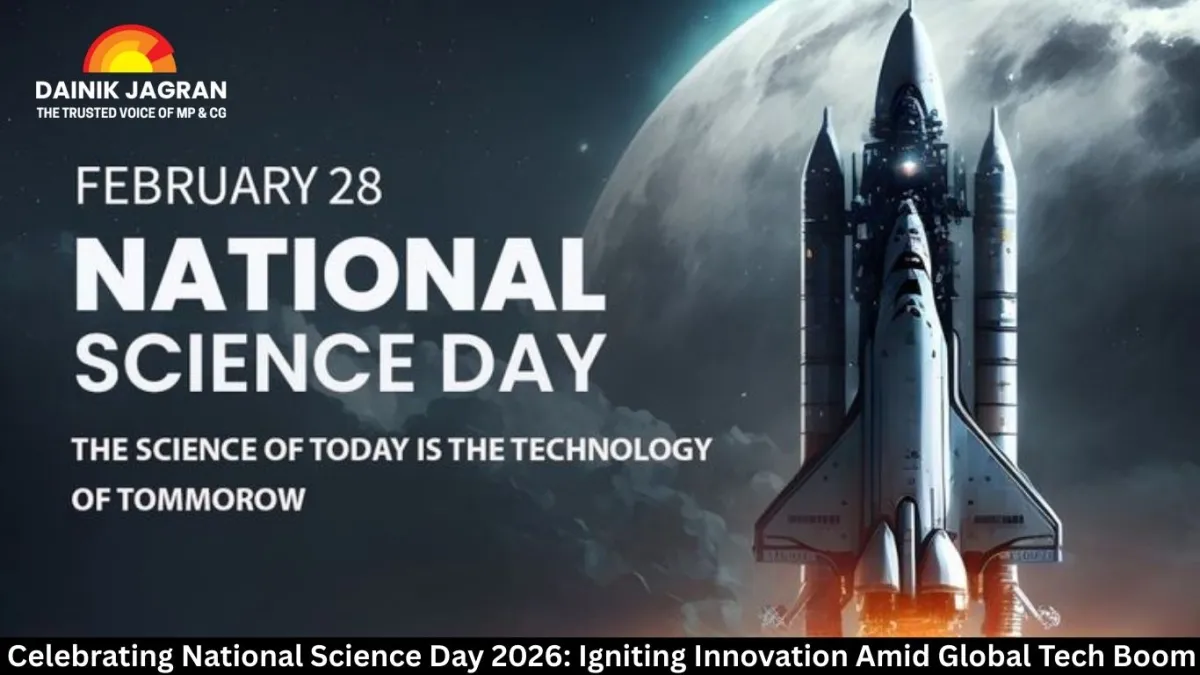

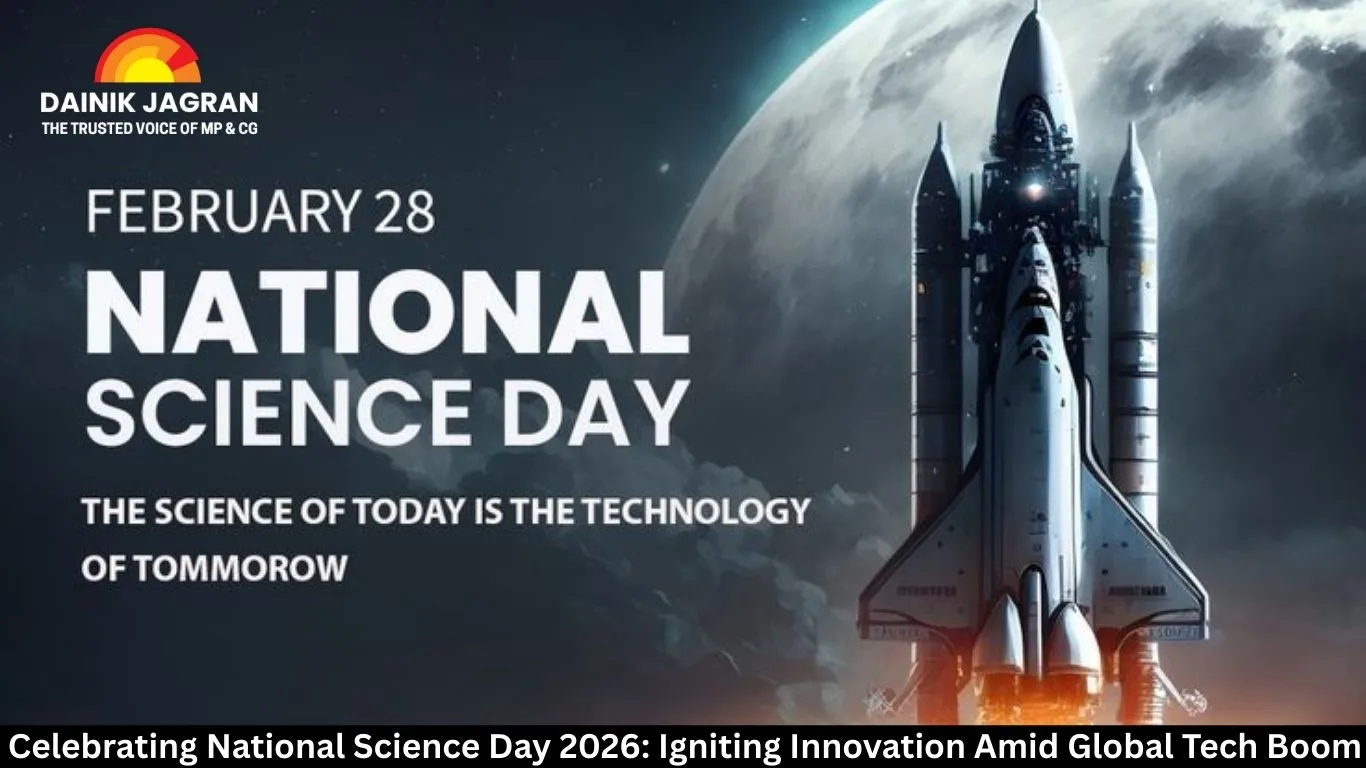
Celebrating National Science Day 2026: Igniting Innovation Amid Global Tech Boom
Digital Desk
As India gears up for National Science Day on February 28, 2026, the nation is buzzing with excitement over this annual tribute to scientific discovery. Commemorating the groundbreaking Raman Effect identified by physicist CV Raman in 1928, this year's celebrations come at a pivotal time when global tech advancements like AI and quantum computing are reshaping our world. With India's push towards becoming a science superpower, National Science Day serves as a timely reminder of the role science plays in everyday life and national progress.
In an era where climate change, health crises, and digital transformation dominate headlines, National Science Day highlights why fostering scientific curiosity is more crucial than ever. This informative article delves into the history, current events, and practical ways readers can engage, drawing from expert views to inspire action.
The Legacy of CV Raman and the Raman Effect
National Science Day traces its roots to February 28, 1986, when the Indian government declared the date to honor CV Raman's Nobel Prize-winning discovery of the Raman Effect—a phenomenon explaining how light scatters when passing through a medium. This breakthrough not only earned Raman the 1930 Nobel in Physics but also paved the way for advancements in spectroscopy, used today in fields like medicine and forensics.
Dr. Aarav Singh, a physicist at the Indian Institute of Science, shares his perspective: "The Raman Effect isn't just history; it's the foundation of modern tools like Raman spectrometers that detect diseases or pollutants. In 2026, as India invests heavily in R&D, National Science Day reminds us to bridge science with society."
2026 Celebrations: What's New and Noteworthy
This year's theme, rumored to focus on "Sustainable Science for a Better Future," aligns with global trends like the UN's Sustainable Development Goals. Events across India include virtual webinars, school science fairs, and innovation challenges. In major cities like Delhi and Bangalore, institutions like ISRO and IITs are hosting open houses, showcasing satellite tech and AI demos.
- Virtual Engagements: Online platforms will stream talks by scientists, making science education accessible to remote areas.
- Youth Initiatives: Competitions for students to pitch eco-friendly inventions, emphasizing practical science.
- Cultural Tie-Ins: Fusion events blending science with art, like Raman Effect-inspired light shows, to appeal to a broader audience.
Amid India's recent strides in space exploration—think Chandrayaan-3's success—National Science Day underscores the cultural shift towards valuing STEM. It's particularly relevant now, as post-pandemic recovery emphasizes science-driven solutions for health and economy.
Why National Science Day Matters in Today's World
In a lifestyle increasingly influenced by technology, National Science Day promotes science education to combat misinformation and encourage critical thinking. Experts like education reformer Priya Mehta note: "With fake news rampant, teaching the scientific method from a young age builds resilient minds. This day is a call to action for parents and educators."
The event ties into broader cultural narratives, where science intersects with daily life—from apps predicting weather via Raman-inspired tech to sustainable farming innovations. As global challenges mount, India's celebration inspires a collective push for innovation.
Actionable Takeaways for Readers
Engage with National Science Day to spark your inner scientist:
- Attend local events or join online sessions via government portals like vigyanprasar.gov.in.
- Experiment at home: Try simple Raman Effect demos using lasers and liquids (safely!).
- Support science education by volunteering at schools or donating to STEM programs.
In conclusion, National Science Day 2026 isn't just a commemoration—it's a catalyst for progress. By honoring CV Raman's legacy and embracing the Raman Effect's applications, we pave the way for a brighter, more innovative future. As the world evolves, let's make science a part of our culture, one discovery at a time.
.jpg)




