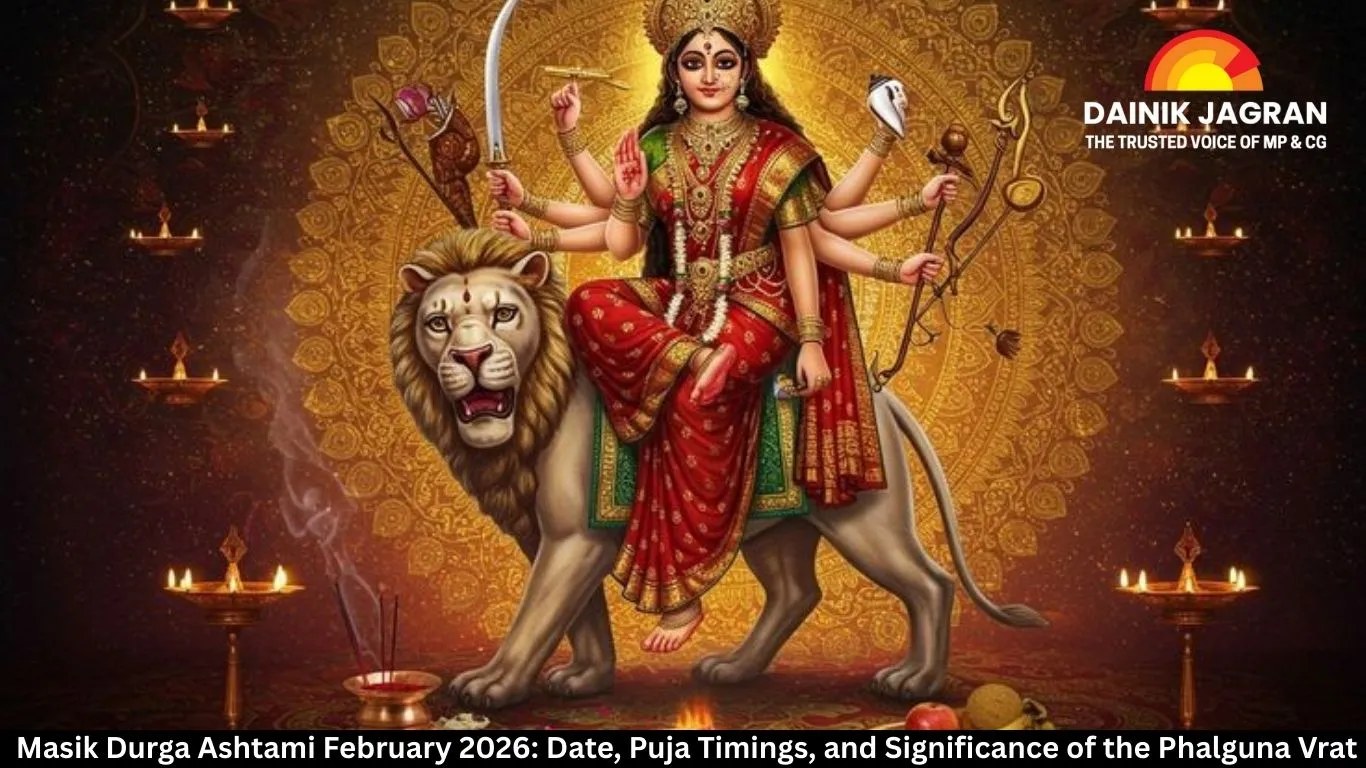
Masik Durga Ashtami February 2026: Date, Puja Timings, and Significance of the Phalguna Vrat
Digital Desk
As the auspicious month of Phalguna begins, devotees of Goddess Durga are gearing up to observe the first monthly fasting ritual of the Hindu New Year cycle. Masik Durga Ashtami, observed on the eighth day (Ashtami Tithi) of the Shukla Paksha (bright lunar fortnight), falls on Tuesday, February 24, this year, offering a powerful opportunity for spiritual renewal and seeking the blessings of the divine feminine .
As a seasoned digital journalist covering cultural and spiritual events, I've broken down everything you need to know about this sacred day—from the exact timing to the rituals that can bring peace and prosperity to your home.
When is Durga Ashtami in February 2026? Date & Shubh Muhurat
For devotees eager to mark their calendars, the Masik Durga Ashtami Vrat this month will be observed on February 24, 2026. This day is also known as Phalguna Shukla Ashtami.
According to the Vedic Panchang, the timing for the Ashtami Tithi is as follows :
- Ashtami Tithi Begins: 07:02 AM on February 24, 2026
- Ashtami Tithi Ends: 04:52 AM on February 25, 2026
Since the Tithi begins during the morning of February 24, the fast and related rituals will be observed on this day. The Udaya Tithi (presence of the Tithi at sunrise) is the deciding factor for most Hindu fasts.
Auspicious Yogas and Panchang
Adding to the spiritual significance of this day, a Tripushkar Yoga is also in effect, which is considered highly auspicious for starting new ventures and donating to charity. Key timings for Ujjain (calculated as the standard) are as follows:
- Sunrise: 06:56 AM
- Sunset: 06:23 PM
- Moonrise: 11:18 AM
The Spiritual Significance of the Vrat
Why do thousands of Hindus observe the Masik Durga Ashtami Vrat every month? In Sanatan Dharma, the Ashtami Tithi is dedicated to the ferocious and protective form of the Goddess Shakti. Specifically, during the month of Phalguna, Goddess Durga is worshipped in her form as Mahagauri .
The word 'Durga' means "the invincible," and 'Ashtami' refers to the eighth day. It is believed that on this day, the Goddess is at her most powerful to destroy negativity and obstacles (demons like Mahishasura symbolize ego and evil) . Observing this vrat with sincerity is said to:
- Remove obstacles from professional and personal life.
- Bestow happiness, good fortune, and prosperity upon the family.
- Help devotees acquire spiritual gains and cleanse past karmas .
Rituals: How to Observe Durga Ashtami Vrat
If you are planning to observe this fast, here is a simple guide to the rituals (Puja Vidhi) performed on this day:
1. Morning Rituals (Sankalp and Puja)
Devotees wake up early, take a holy bath, and wear clean clothes—preferably red, which is the favorite color of the Goddess. They then clean the temple area at home and install the idol or photo of Maa Durga on a red cloth. The puja involves offering 'Solah Shringar' (sixteen adornment items) including kumkum, bangles, bindi, and a red chunri to the Goddess .
2. Offerings and Naivedyam
Special bhog (offerings) are prepared. It is considered highly rewarding to offer kheer (sweet rice pudding) or dishes made with milk to please the Goddess. In some traditions, coconut and seasonal fruits are also offered .
3. The Sacred Fasting (Vrat)
The fast is observed with strict discipline. While some devotees observe a Nirjala Vrat (without water or food), others consume only fruits and milk (Phalahar). It is mandatory to avoid consuming grains like rice and wheat in some regions, as well as strictly avoiding alcohol and non-vegetarian food .
4. Kanya Puja and Charity
In many regions of India, especially in the North and West, devotees perform Kanya Puja (or Kanjak) on this day. Young girls between the ages of 2 and 10 are worshipped as living embodiments of the Goddess. They are served puri, chana, and halwa, and are gifted money or clothes. Feeding Brahmins and the underprivileged is also considered an important part of the ritual to receive the Goddess's grace .
Mantras to Chant
To enhance the spiritual vibration of the day, devotees recite the Durga Chalisa or the Durga Saptashati. A simple yet powerful mantra to chant 108 times is:
> (Om Dum Durgayai Namah)
For those seeking protection from negative energies, the following mantra is also chanted:
Looking Ahead: Maha Ashtami 2026
While this monthly vrat is significant for dedicated devotees, the most important Durga Ashtami of the year—Maha Ashtami—will be celebrated during Sharadiya Navratri on October 19, 2026 .
Until then, the Masik Durga Ashtami on February 24 serves as a perfect reminder to pause, detox from negativity, and realign with the divine energy of Maa Durga. Whether you observe a strict fast or simply offer a red flower with a prayer, the Goddess is said to bless her devotees with courage and stability.