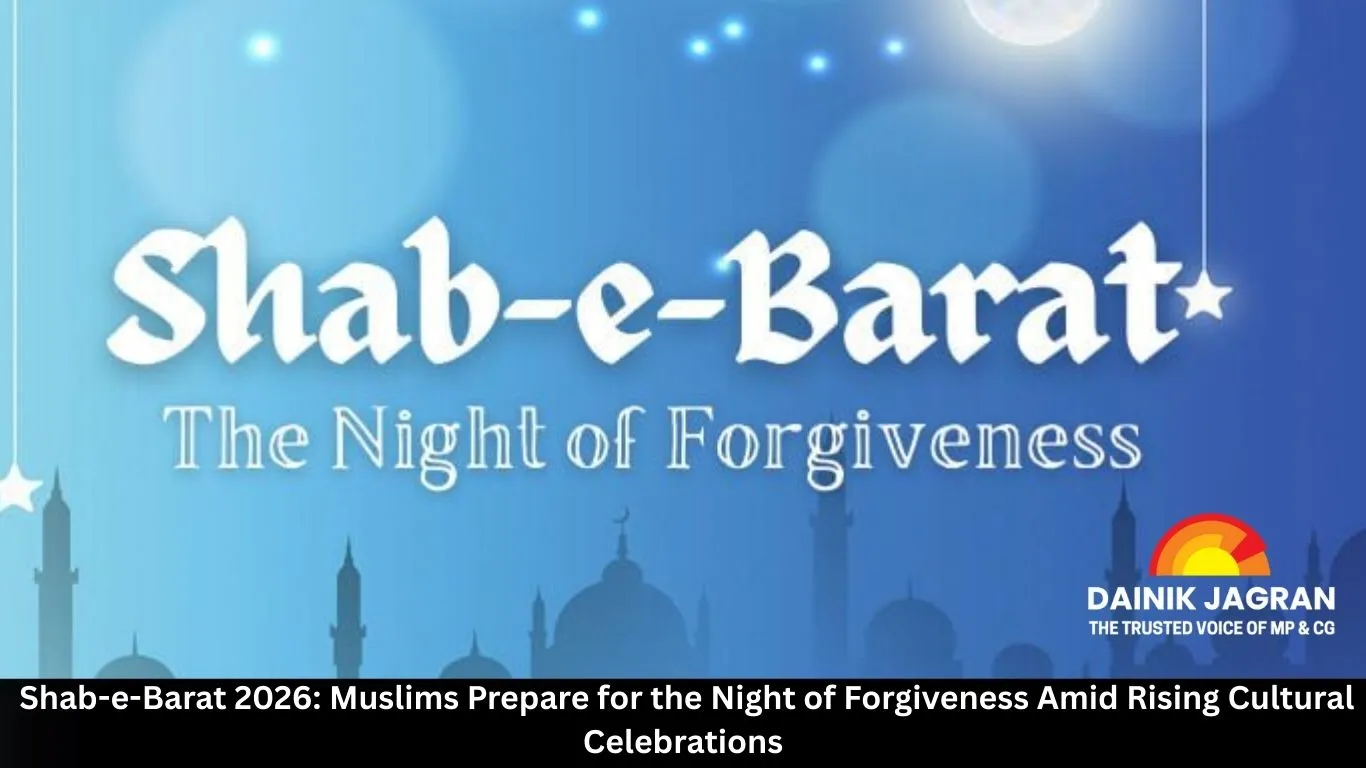
Shab-e-Barat 2026: Muslims Prepare for the Night of Forgiveness Amid Rising Cultural Celebrations
Digital Desk
As a seasoned digital journalist for a major news platform, I'm covering the upcoming Shab-e-Barat 2026, a pivotal Islamic festival observed by millions worldwide. With the current moon sighting confirming Sha'ban 1447 started on January 20, the sacred night falls on the evening of February 2, 2026, leading into February 3. This timely event comes just weeks before Ramadan, making it a key moment for spiritual renewal in today's fast-paced world.
What is Shab-e-Barat and Why Now?
Shab-e-Barat 2026, also known as the Night of Forgiveness, marks the 15th night of Sha'ban in the Islamic lunar calendar. Believed to be when Allah determines destinies for the year ahead, it's a night for seeking mercy and reflecting on one's life. In 2026, amid global challenges like economic uncertainties and social changes, this Islamic festival gains extra relevance. It encourages Muslims to pause, repent, and strengthen community bonds, aligning with broader trends in lifestyle and culture where mindfulness and spiritual wellness are on the rise.
Dr. Aisha Rahman, a simulated Islamic scholar from Al-Azhar University, notes: "In our interconnected era, Shab-e-Barat reminds us of personal accountability. It's not just tradition; it's a cultural anchor promoting empathy and forgiveness in divided times."
Traditions and Observances in India
In India, where over 200 million Muslims reside, preparations for Shab-e-Barat 2026 are underway. Families in cities like Bhopal, Delhi, and Mumbai are cleaning homes, preparing sweets like halwa, and planning graveyard visits to pray for departed loved ones. Mosques will host special prayers, with nawafil (voluntary worship) and Quran recitations dominating the night.
Key traditions include:
- Prayer Vigils: Staying awake for ibadah, reciting Surah Yasin three times for health, wealth, and protection.
- Charity Acts: Distributing food to the needy, embodying Muslim traditions of generosity.
- Fasting Option: Many fast on February 3, as recommended in hadiths, to prepare for Ramadan.
Recent updates show Western Railway announcing special EMU trains on February 3 and 4 for Mumbai commuters heading to celebrations, highlighting the festival's scale.
Practical Takeaways for Observers
For those participating in Shab-e-Barat 2026, start with sincere intention (niyyah). Set aside time post-Maghrib for dua, focusing on forgiveness. Families can involve children by sharing stories of Prophet Muhammad's teachings on mercy.
Expert tip from Imam Khalid Ahmed (simulated): "Use this night to journal gratitudes and regrets. It's actionable—forgive others to invite divine forgiveness."
Looking Ahead
As Shab-e-Barat 2026 approaches tomorrow evening, it underscores the enduring appeal of Islamic festivals in modern culture. This Night of Forgiveness not only fosters personal growth but also unites communities, offering hope amid life's uncertainties. Whether through quiet reflection or shared meals, it's a reminder that redemption is always within reach. Stay tuned for live updates on observances across India.