

Sun God's Chariot Rides North: Millions Celebrate Ratha Saptami Today
Digital Desk
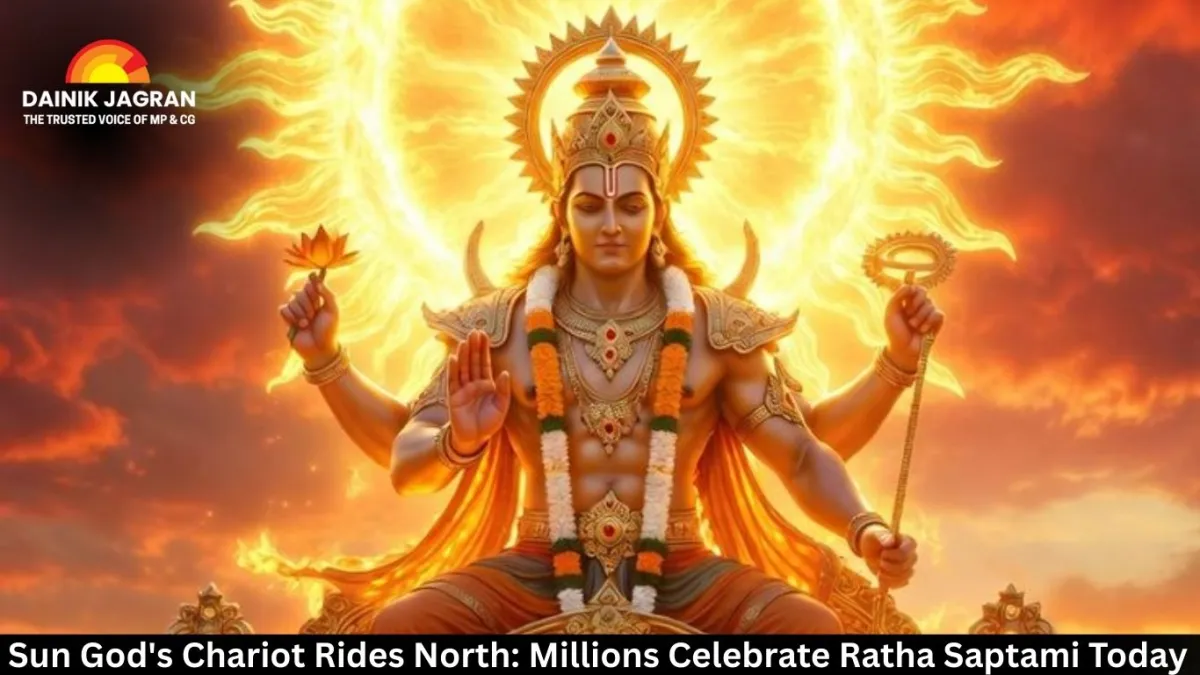
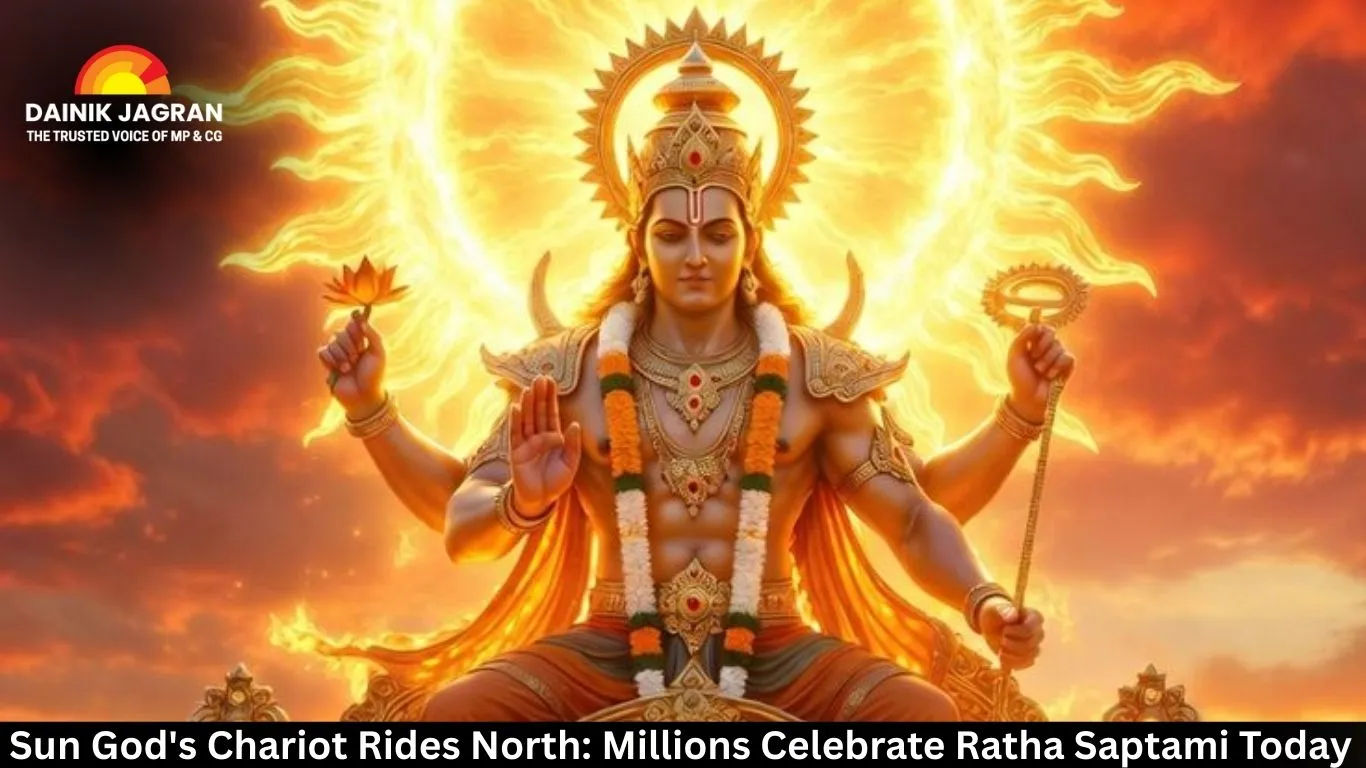
Today, January 25, 2026, marks the observance of Ratha Saptami, one of the most significant festivals dedicated to Lord Surya, the Sun God. Also revered as Surya Jayanti or Magha Saptami, this day celebrates the divine birth of Surya and his symbolic commencement of the northward journey (Uttarayan) in a chariot drawn by seven horses. For millions of Hindus across India and beyond, the day is a powerful confluence of devotion, astronomy, and agrarian tradition, symbolizing the victory of light and the onset of a new cycle of warmth and growth.
The Auspicious Alignment of Ratha Saptami 2026
This year's Ratha Saptami 2026 carries amplified significance due to a rare convergence of auspicious timings and celestial events. The festival falls on a Sunday (Ravivaar), the day intrinsically linked to the Sun God, which is considered highly propitious.
The sacred Saptami Tithi is in effect for the entire day, beginning at 12:39 AM on January 25 and concluding at 11:10 PM. For devotees, the most critical window is the Snan Muhurat (the holy bath period), which spans from 5:26 AM to 7:13 AM. The act of offering Arghya (water oblation) is ideally performed at sunrise, which today occurs at 7:13 AM.
Astrologically, the day is adorned with five favorable yogas, including Ravi Yoga and Sadhya Yoga, making it an exceptionally powerful time for worship and for remedying astrological Surya Dosh (afflictions related to the Sun planet in one's chart).
Rituals and Observances: A Day of Solar Veneration
The observance of Ratha Saptami is a holistic spiritual practice aimed at purification, gratitude, and seeking blessings for health (Arogya) and prosperity.
Purifying Dawn Bath (Snan): Devotees wake before dawn and take a ritual bath during the Snan Muhurat. A key ritual involves placing seven leaves of the Arka plant (Calotropis Gigantea) on one's head while bathing, which is believed to please Lord Surya and ward off ailments.
Offering to the Rising Sun (Arghyadan): At sunrise, facing east, they offer Arghya to the Sun. This is done with a copper pot filled with water, often mixed with red flowers, turmeric, and jaggery, while chanting Vedic mantras.
Fasting, Prayer, and Charity: Many observe a fast, consuming only sattvic food after sunset. Chanting the Gayatri Mantra, Aditya Hridayam, or Surya Sahasranamam is considered highly meritorious. The day is also marked by acts of charity (daan), such as donating jaggery, wheat, red clothes, or copper utensils to the needy.
A Festival of Light, Harvest, and New Beginnings
Beyond theology, Ratha Saptami holds profound cultural and environmental meaning. It symbolically heralds the end of winter and the gradual increase in sunlight, a period known as Uttarayan. For the agrarian community, this marks the beginning of the harvest season, representing a time of abundance and the promise of a prosperous new year.
The iconography is deeply symbolic: the seven horses pulling Surya's chariot represent the seven days of the week and the seven colours of sunlight, while the twelve wheels correspond to the twelve months of the year. This imagery beautifully encapsulates the festival's essence—the Sun God's measured, majestic journey as the regulator of time and sustainer of life.
Celebrations Across the Nation
Grand celebrations are held at major Sun temples across India, most notably at the World Heritage Site of Konark in Odisha, Modhera in Gujarat, and Arasavalli in Andhra Pradesh. In a significant move, the Government of Andhra Pradesh officially declared Ratha Saptami a state festival in late 2024, underscoring its cultural importance.
In Tamil Nadu, grand processions are carried out with the deity placed on a chariot. At the renowned Tirumala Tirupati Temple, a special one-day Brahmotsavam is observed, where the processional deities are taken on seven different vahanas (vehicles), starting with the Surya Prabha Vahana (sun chariot).
As the sun rises on January 25, Ratha Saptami 2026 offers a moment to pause and acknowledge the primordial source of all energy. It is a day to align with the rhythm of nature, seek inner illumination to dispel ignorance, and express gratitude for the light that sustains all life on Earth. Whether through devout ritual or simple mindful appreciation, it invites everyone to welcome the turning wheel of the season and the renewed vitality it brings.
.jpg)




