
Puri Rath Yatra 2026: Lord Jagannath's Grand Chariot Festival Celebrated Today

Digital Desk

Puri Rath Yatra 2026: Lord Jagannath's Grand Chariot Festival Celebrated Today

Puri Rath Yatra 2026 is being celebrated on July 16 as millions of devotees gather to witness Lord Jagannath, Balabhadra and Subhadra's annual chariot procession to Gundicha Temple in Odisha.


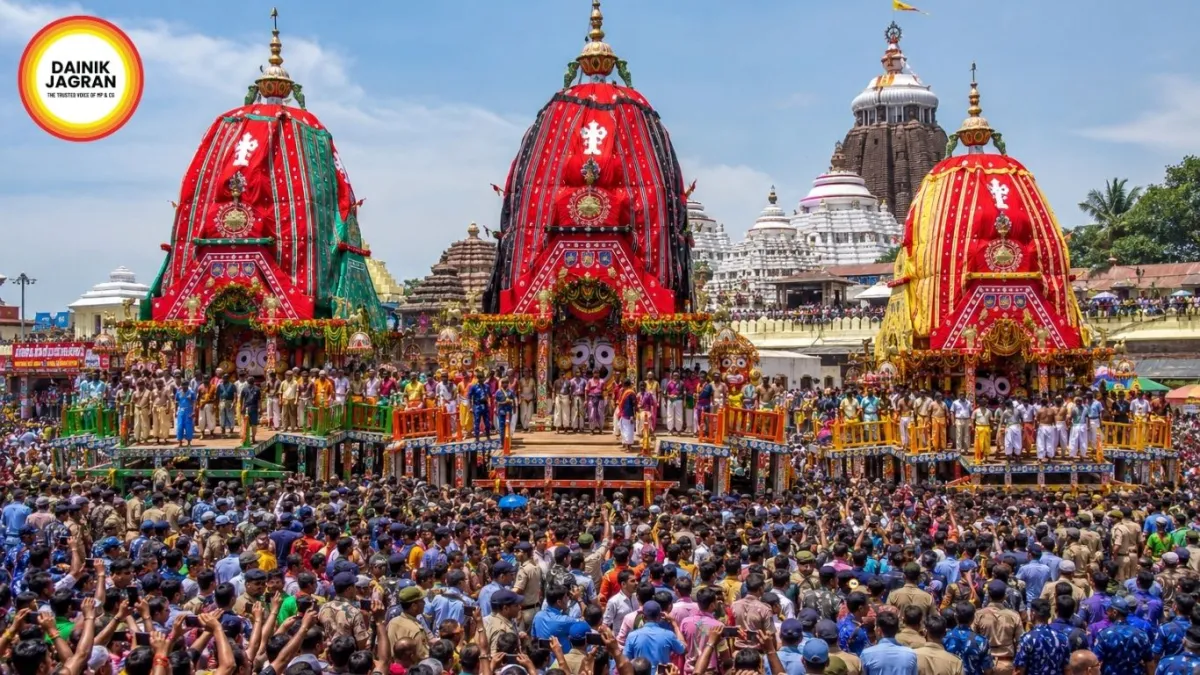
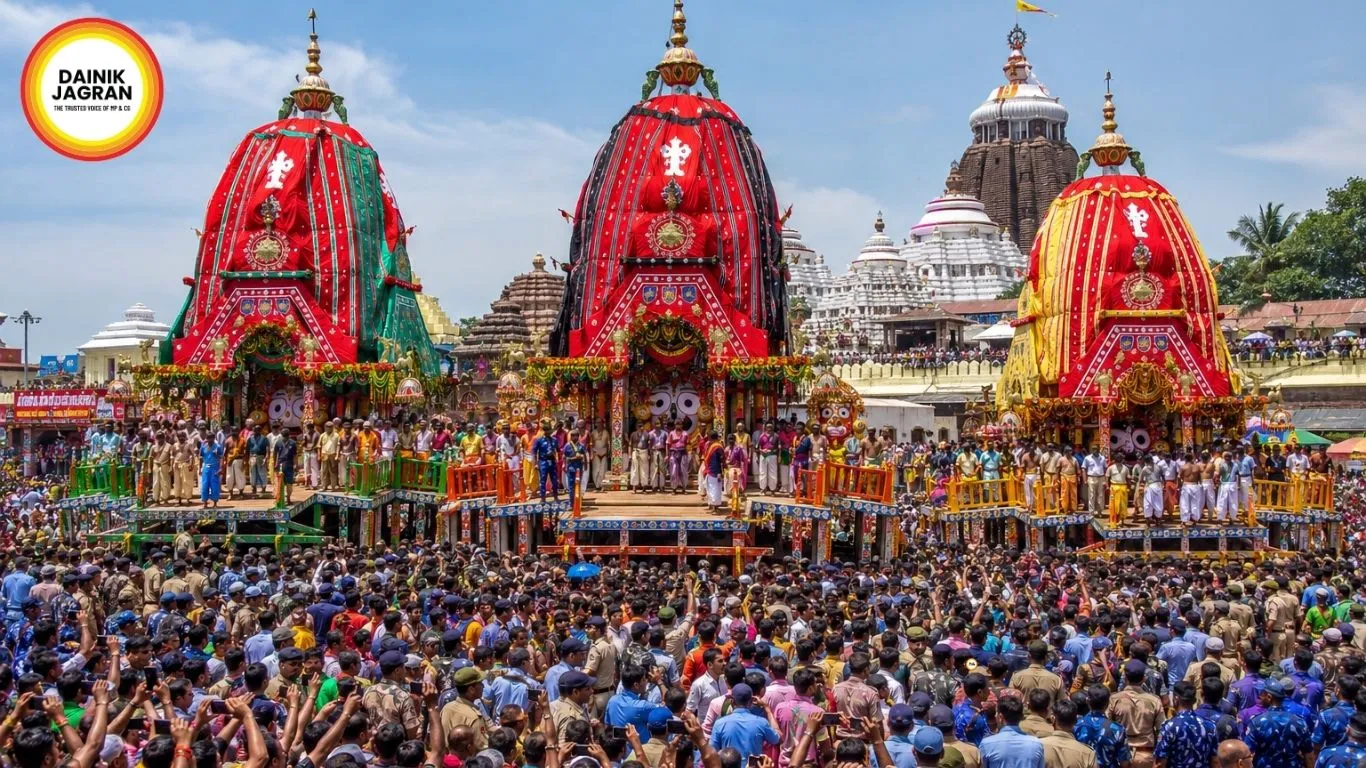
One of India's largest and most revered religious festivals, Puri Rath Yatra 2026, is being celebrated on Thursday, July 16, with millions of devotees gathering in the holy city of Puri to witness the annual procession of Lord Jagannath, Lord Balabhadra and Goddess Subhadra. The centuries-old festival, also known as the Jagannath Rath Yatra or Chariot Festival, marks the ceremonial journey of the deities from the Jagannath Temple to the Gundicha Temple, drawing pilgrims from across India and abroad.

Celebrated on the Dwitiya Tithi of Ashadha Shukla Paksha, Rath Yatra is regarded as one of Hinduism's most significant festivals. According to the Hindu calendar, the Dwitiya Tithi began at 11:51 AM on July 15 and concludes at 8:53 AM on July 16, making Thursday the auspicious day for the annual procession.

Three Grand Chariots Lead the Procession

The highlight of the festival is the procession of the three deities, each seated on elaborately decorated wooden chariots specially constructed every year following centuries-old religious traditions.

The chariots are pulled through the Badadanda (Grand Road) by thousands of devotees in a ritual known as Ratha Tana, which is considered highly sacred. Religious belief holds that participating in pulling the chariots or even witnessing the procession brings spiritual merit and divine blessings.

The procession begins after traditional rituals, including Ratha Prathistha, during which the deities are ceremonially installed on their respective chariots before embarking on their annual journey to the Gundicha Temple, believed to be the abode of Lord Jagannath's aunt.

Festival Symbolises Equality and Inclusivity

Unlike regular temple days, Rath Yatra offers an opportunity for everyone to have the darshan of Lord Jagannath, including those who are unable to enter the sanctum of the Jagannath Temple.

The festival has long been regarded as a symbol of social harmony and inclusiveness, transcending barriers of caste, community and social status. Over the years, devotees from different faiths and countries have participated in the celebrations, making the festival a global spiritual event.

The annual chariot festival is also known by several traditional names, including Gundicha Yatra, Ghosa Yatra, Dasavatara Yatra, and Navadina Yatra.

Ancient Traditions Continue

A unique feature of the Rath Yatra is that the three massive chariots are constructed afresh every year using specially selected wood and traditional craftsmanship. The construction follows strict religious guidelines that have been preserved for generations.

Similarly, the wooden idols of Lord Jagannath, Lord Balabhadra and Goddess Subhadra are ceremonially replaced through the sacred Nabakalebara ritual at prescribed intervals, reinforcing the festival's deep spiritual significance.

Throughout the procession, the streets of Puri resonate with devotional chants, traditional music, drums, conches and cymbals as thousands of pilgrims accompany the chariots toward Gundicha Temple.

Religious Importance

Lord Jagannath is widely worshipped as a form of Lord Vishnu, and the Jagannath Temple in Puri is one of Hinduism's revered Char Dham pilgrimage sites.

According to religious belief, witnessing Lord Jagannath on the chariot or participating in the procession helps devotees attain spiritual liberation from the cycle of birth and death. The annual journey also symbolises the Lord's visit to his devotees outside the temple premises, reinforcing the ideals of accessibility, devotion and equality.

Every year, the festival attracts over one million pilgrims, making it one of the largest religious gatherings in India and an important event for Odisha's spiritual and cultural heritage.

A Festival Beyond Faith

Beyond its religious significance, Rath Yatra has emerged as a major cultural celebration that showcases Odisha's rich traditions, craftsmanship and devotional heritage. The festival also contributes significantly to tourism and the local economy, with pilgrims and visitors travelling from across the globe to witness the grand spectacle.

As the chariots roll through the historic streets of Puri today, the annual festival once again reaffirms its place as one of India's most iconic celebrations of faith, unity and devotion.


 

--------

๐Ÿšจ Beat the News Rush โ€“ Join Now!

Get breaking alerts, hot exclusives, and game-changing stories instantly on your phone. No delays, no fluff โ€“ just the edge you need. โšก

Tap to join:ย 

๐ŸŸข WhatsApp Channel: Dainik Jagran MP CG

Crave more?

๐Ÿ…• Facebook: Dainik Jagran MP CG English

๐Ÿ…ง Twitter (X): Dainik Jagran MP CG

๐Ÿ…˜ Instagram: Dainik Jagran MP CG

Share the fire โ€“ keep your crew ahead! ๐Ÿ—ž๏ธ๐Ÿ”ฅ

english.dainikjagranmpcg.com
16 Jul 2026 By Abhishek Joshi

Puri Rath Yatra 2026: Lord Jagannath's Grand Chariot Festival Celebrated Today

Digital Desk

One of India's largest and most revered religious festivals, Puri Rath Yatra 2026, is being celebrated on Thursday, July 16, with millions of devotees gathering in the holy city of Puri to witness the annual procession of Lord Jagannath, Lord Balabhadra and Goddess Subhadra. The centuries-old festival, also known as the Jagannath Rath Yatra or Chariot Festival, marks the ceremonial journey of the deities from the Jagannath Temple to the Gundicha Temple, drawing pilgrims from across India and abroad.

Celebrated on the Dwitiya Tithi of Ashadha Shukla Paksha, Rath Yatra is regarded as one of Hinduism's most significant festivals. According to the Hindu calendar, the Dwitiya Tithi began at 11:51 AM on July 15 and concludes at 8:53 AM on July 16, making Thursday the auspicious day for the annual procession.

Three Grand Chariots Lead the Procession

The highlight of the festival is the procession of the three deities, each seated on elaborately decorated wooden chariots specially constructed every year following centuries-old religious traditions.

The chariots are pulled through the Badadanda (Grand Road) by thousands of devotees in a ritual known as Ratha Tana, which is considered highly sacred. Religious belief holds that participating in pulling the chariots or even witnessing the procession brings spiritual merit and divine blessings.

The procession begins after traditional rituals, including Ratha Prathistha, during which the deities are ceremonially installed on their respective chariots before embarking on their annual journey to the Gundicha Temple, believed to be the abode of Lord Jagannath's aunt.

Festival Symbolises Equality and Inclusivity

Unlike regular temple days, Rath Yatra offers an opportunity for everyone to have the darshan of Lord Jagannath, including those who are unable to enter the sanctum of the Jagannath Temple.

The festival has long been regarded as a symbol of social harmony and inclusiveness, transcending barriers of caste, community and social status. Over the years, devotees from different faiths and countries have participated in the celebrations, making the festival a global spiritual event.

The annual chariot festival is also known by several traditional names, including Gundicha Yatra, Ghosa Yatra, Dasavatara Yatra, and Navadina Yatra.

Ancient Traditions Continue

A unique feature of the Rath Yatra is that the three massive chariots are constructed afresh every year using specially selected wood and traditional craftsmanship. The construction follows strict religious guidelines that have been preserved for generations.

Similarly, the wooden idols of Lord Jagannath, Lord Balabhadra and Goddess Subhadra are ceremonially replaced through the sacred Nabakalebara ritual at prescribed intervals, reinforcing the festival's deep spiritual significance.

Throughout the procession, the streets of Puri resonate with devotional chants, traditional music, drums, conches and cymbals as thousands of pilgrims accompany the chariots toward Gundicha Temple.

Religious Importance

Lord Jagannath is widely worshipped as a form of Lord Vishnu, and the Jagannath Temple in Puri is one of Hinduism's revered Char Dham pilgrimage sites.

According to religious belief, witnessing Lord Jagannath on the chariot or participating in the procession helps devotees attain spiritual liberation from the cycle of birth and death. The annual journey also symbolises the Lord's visit to his devotees outside the temple premises, reinforcing the ideals of accessibility, devotion and equality.

Every year, the festival attracts over one million pilgrims, making it one of the largest religious gatherings in India and an important event for Odisha's spiritual and cultural heritage.

A Festival Beyond Faith

Beyond its religious significance, Rath Yatra has emerged as a major cultural celebration that showcases Odisha's rich traditions, craftsmanship and devotional heritage. The festival also contributes significantly to tourism and the local economy, with pilgrims and visitors travelling from across the globe to witness the grand spectacle.

As the chariots roll through the historic streets of Puri today, the annual festival once again reaffirms its place as one of India's most iconic celebrations of faith, unity and devotion.
 

https://english.dainikjagranmpcg.com/religion/puri-rath-yatra-2026-lord-jagannaths-grand-chariot-festival-celebrated/article-22372

Trending News