


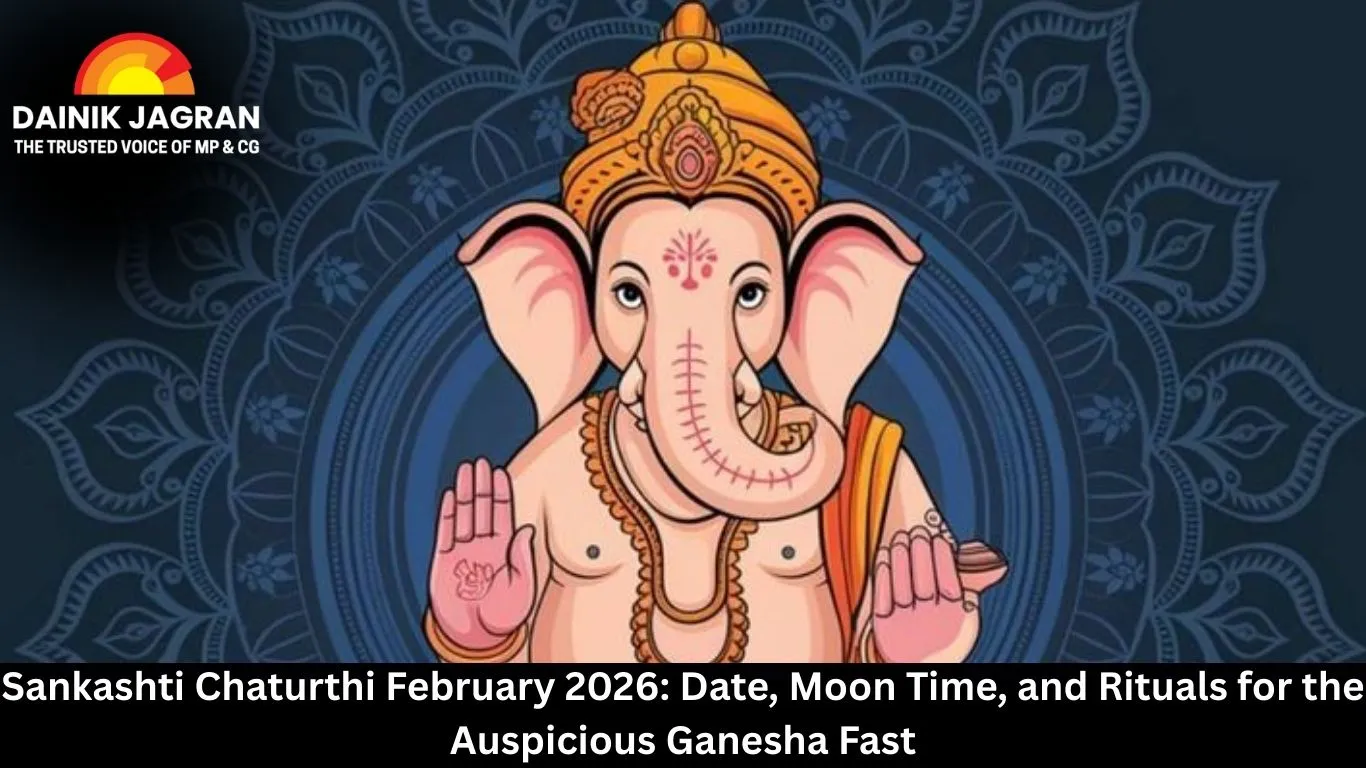
Sankashti Chaturthi February 2026: Date, Moon Time, and Rituals for the Auspicious Ganesha Fast
Digital Desk
Sankashti Chaturthi 2026: Devotees Prepare for February Fast with Key Moon Sighting
As the lunar calendar turns, millions of Hindus across India and the diaspora are preparing to observe Sankashti Chaturthi, a monthly festival dedicated to Lord Ganesha, the remover of obstacles. The upcoming observance on Thursday, February 5, 2026, holds particular importance for planners and devotees integrating spiritual practices into their modern routines.
This festival, falling in the Krishna Paksha (waning phase) of the Magha month, involves a day-long fast broken only after evening prayers and sighting the moon. For the astrologically inclined, the specific tithi (lunar day) timings are crucial for accurate ritual observance.
Key Timings and Angarki Chaturthi
According to panchang calculations for Ujjain, India, the Chaturthi Tithi begins in the early hours of February 5 at 12:10 AM IST and extends until 12:22 AM IST on February 6. This provides a wide window for observance.
The critical moonrise on the fast day is at 9:39 PM IST, shortly after sunset at 6:12 PM. Devotees will conclude their fast only after offering prayers to Lord Ganesha and sighting the moon. It is important to note that this February 2026 Sankashti does not fall on a Tuesday, so it is not the highly potent Angarki Chaturthi. The next Angarki day will draw even larger observances.
Rituals and Modern Observance
The core ritual involves a strict or partial fast, often featuring sabudana khichdi, potatoes, and peanuts. In the evening, after moonrise, a special puja is performed.
“The Sankashti fast is a monthly spiritual reset,” explains a Mumbai-based priest. “It’s not just about abstaining from food; it’s a conscious day dedicated to humility and invoking Ganesha’s wisdom to navigate life’s challenges.” The offering of modaks and recitation of hymns like the Ganesha Ashtottara are central to the ceremony.
Why This Matters Now
In today’s fast-paced world, these time-honored observances offer a structured pause for reflection and family tradition. The active search for precise Sankashti Chaturthi February 2026 timings online underscores a digital-age trend: the blending of ancient rituals with modern planning tools. Astrology and lifestyle platforms see significant traffic for these updates, as devotees seek to align their busy schedules with celestial calendars.
For the faithful, the monthly vrat is a proactive spiritual practice believed to ward off distress and invite prosperity. Childless couples, in particular, are known to observe this vrat with special devotion.
Looking Ahead
As February 5 approaches, temples and communities are set to facilitate the observances. The detailed monthly chart—associating each month with a specific name and form of Ganesha—highlights the depth of this tradition, with the Magha month linked to Dwijapriya Maha Ganapati.
This ongoing monthly practice reinforces cultural continuity, proving that in an era of constant change, some rhythms remain steadfastly tied to the moon and faith.




.jpg)




