Iran Plans Charges on Ships in Strait of Hormuz Amid Conflict

Digital Desk

 Iran Plans Charges on Ships in Strait of Hormuz Amid Conflict

Iran signals plans to charge vessels transiting the Strait of Hormuz as US officials push back. Over 7,200 rescued from rubble per Red Crescent, while oil prices rise and India feels economic impact. Latest on mediation efforts.

Iran Plans Charges for Ships in Strait of Hormuz as Conflict Fallout Mounts

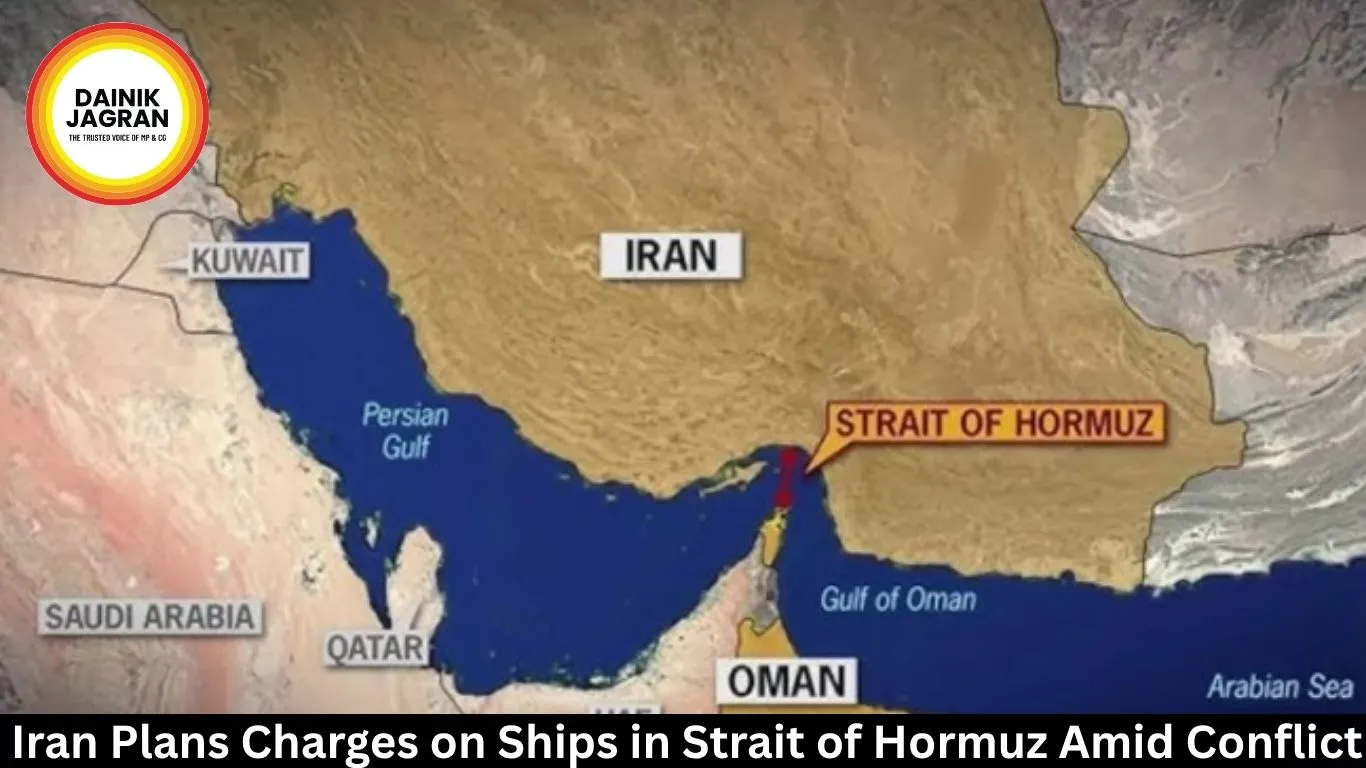
Iran has signalled plans to impose charges on vessels transiting the Strait of Hormuz, escalating tensions even as diplomatic efforts to end the conflict with the United States continue. The move comes amid reports of significant humanitarian efforts inside Iran, where the Iranian Red Crescent says it has rescued over 7,200 people from rubble caused by air strikes.

US officials have strongly opposed any such toll system, describing the strait as an international waterway where fees would not be tolerated.

According to sources, the Iranian position reflects efforts to assert control over one of the world’s most critical energy chokepoints, through which a substantial portion of global oil trade passes. Traffic has already been significantly reduced due to ongoing threats, with the UK Maritime Trade Operations maintaining a “critical” threat level in the area.

Diplomatic Pushback from Washington

US Secretary of State Marco Rubio said on Thursday that implementing a toll system would make any agreement with Iran far more difficult. President Donald Trump has echoed this stance, insisting the strait must remain open without restrictions.

The comments come as Trump expressed disappointment with certain NATO allies. Rubio specifically criticised Spain for not allowing the US to use its military bases during the conflict. “If a country does not allow the US to use its base, then why is it in NATO?” he remarked, indicating the issue is being taken seriously at the highest levels.

Humanitarian Toll Inside Iran

On the ground in Iran, the human cost of the air strikes remains visible. The Iranian Red Crescent Society reported rescuing more than 7,200 individuals trapped under debris. Rescue teams have been working around the clock, pulling survivors from destroyed buildings in various parts of the country.

Videos shared by the organisation show volunteers navigating rubble in residential areas, offering a glimpse of the destruction left behind even after the main phase of strikes eased.

Pro-government rallies have continued across Iran, including large gatherings in Tehran’s Azadi Square, with demonstrators expressing support for the leadership and armed forces.

Oil Market Jitters and Global Ripple Effects

Oil prices climbed further on Friday, with Brent crude crossing $105 per barrel at one point, driven by fears over supply disruptions. While some optimism exists around potential resumption of around 1,600 oil vessels in the strait, doubts persist about any quick breakthrough in talks.

The situation has also affected India. Thousands of Indian migrant workers in Gulf countries are returning home as regional instability hits labour markets. Exports of items like garments, footwear and leather goods have weakened, adding pressure on jobs and remittances, a Reuters report noted.

Mediation Efforts Continue

Pakistan has stepped up diplomatic involvement. Interior Minister Mohsin Naqvi met Iranian Foreign Minister Abbas Araghchi in Iran to discuss proposals aimed at resolving differences between the US and Iran.

Differences between Washington and Israel have also surfaced. While the US appears keen on de-escalation and a possible ceasefire, Israeli officials are said to favour sustained pressure.

Broader Regional Picture

US military forces in West Asia remain at peak readiness, with the USS Abraham Lincoln carrier strike group active in the Arabian Sea. CENTCOM highlighted ongoing operations, including enforcement related to Iranian ports.

In southern Lebanon, the Israeli army reported eliminating two individuals in an air strike after spotting suspicious movement near the border. Separate incidents, including artillery strikes in western Syria, point to lingering volatility beyond the main US-Iran theatre.

France has urged caution on releasing more strategic oil reserves, citing uncertainty over the conflict’s duration. French Finance Minister Roland Lescure emphasised the need for clearer visibility before tapping limited national stocks.

As talks proceed, with some narrowing of gaps reported by Iranian sources, the coming days will be critical. Any resolution on the Strait of Hormuz and uranium stockpiles could determine whether the region moves towards calm or faces renewed disruption.

The situation continues to evolve rapidly, with markets, migrant communities and global energy flows watching closely for signs of progress.
 

--------

๐Ÿšจ Beat the News Rush โ€“ Join Now!

Get breaking alerts, hot exclusives, and game-changing stories instantly on your phone. No delays, no fluff โ€“ just the edge you need. โšก

Tap to join:ย 

๐ŸŸข WhatsApp Channel: Dainik Jagran MP CG

Crave more?

๐Ÿ…• Facebook: Dainik Jagran MP CG English

๐Ÿ…ง Twitter (X): Dainik Jagran MP CG

๐Ÿ…˜ Instagram: Dainik Jagran MP CG

Share the fire โ€“ keep your crew ahead! ๐Ÿ—ž๏ธ๐Ÿ”ฅ

english.dainikjagranmpcg.com
22 May 2026 By Abhishek Joshi

Iran Plans Charges on Ships in Strait of Hormuz Amid Conflict

Digital Desk

Iran Plans Charges for Ships in Strait of Hormuz as Conflict Fallout Mounts

Iran has signalled plans to impose charges on vessels transiting the Strait of Hormuz, escalating tensions even as diplomatic efforts to end the conflict with the United States continue. The move comes amid reports of significant humanitarian efforts inside Iran, where the Iranian Red Crescent says it has rescued over 7,200 people from rubble caused by air strikes.

US officials have strongly opposed any such toll system, describing the strait as an international waterway where fees would not be tolerated.

According to sources, the Iranian position reflects efforts to assert control over one of the world’s most critical energy chokepoints, through which a substantial portion of global oil trade passes. Traffic has already been significantly reduced due to ongoing threats, with the UK Maritime Trade Operations maintaining a “critical” threat level in the area.

Diplomatic Pushback from Washington

US Secretary of State Marco Rubio said on Thursday that implementing a toll system would make any agreement with Iran far more difficult. President Donald Trump has echoed this stance, insisting the strait must remain open without restrictions.

The comments come as Trump expressed disappointment with certain NATO allies. Rubio specifically criticised Spain for not allowing the US to use its military bases during the conflict. “If a country does not allow the US to use its base, then why is it in NATO?” he remarked, indicating the issue is being taken seriously at the highest levels.

Humanitarian Toll Inside Iran

On the ground in Iran, the human cost of the air strikes remains visible. The Iranian Red Crescent Society reported rescuing more than 7,200 individuals trapped under debris. Rescue teams have been working around the clock, pulling survivors from destroyed buildings in various parts of the country.

Videos shared by the organisation show volunteers navigating rubble in residential areas, offering a glimpse of the destruction left behind even after the main phase of strikes eased.

Pro-government rallies have continued across Iran, including large gatherings in Tehran’s Azadi Square, with demonstrators expressing support for the leadership and armed forces.

Oil Market Jitters and Global Ripple Effects

Oil prices climbed further on Friday, with Brent crude crossing $105 per barrel at one point, driven by fears over supply disruptions. While some optimism exists around potential resumption of around 1,600 oil vessels in the strait, doubts persist about any quick breakthrough in talks.

The situation has also affected India. Thousands of Indian migrant workers in Gulf countries are returning home as regional instability hits labour markets. Exports of items like garments, footwear and leather goods have weakened, adding pressure on jobs and remittances, a Reuters report noted.

Mediation Efforts Continue

Pakistan has stepped up diplomatic involvement. Interior Minister Mohsin Naqvi met Iranian Foreign Minister Abbas Araghchi in Iran to discuss proposals aimed at resolving differences between the US and Iran.

Differences between Washington and Israel have also surfaced. While the US appears keen on de-escalation and a possible ceasefire, Israeli officials are said to favour sustained pressure.

Broader Regional Picture

US military forces in West Asia remain at peak readiness, with the USS Abraham Lincoln carrier strike group active in the Arabian Sea. CENTCOM highlighted ongoing operations, including enforcement related to Iranian ports.

In southern Lebanon, the Israeli army reported eliminating two individuals in an air strike after spotting suspicious movement near the border. Separate incidents, including artillery strikes in western Syria, point to lingering volatility beyond the main US-Iran theatre.

France has urged caution on releasing more strategic oil reserves, citing uncertainty over the conflict’s duration. French Finance Minister Roland Lescure emphasised the need for clearer visibility before tapping limited national stocks.

As talks proceed, with some narrowing of gaps reported by Iranian sources, the coming days will be critical. Any resolution on the Strait of Hormuz and uranium stockpiles could determine whether the region moves towards calm or faces renewed disruption.

The situation continues to evolve rapidly, with markets, migrant communities and global energy flows watching closely for signs of progress.

 

https://english.dainikjagranmpcg.com/special-news/-iran-plans-charges-on-ships-in-strait-of-hormuz/article-19022

Latest News