


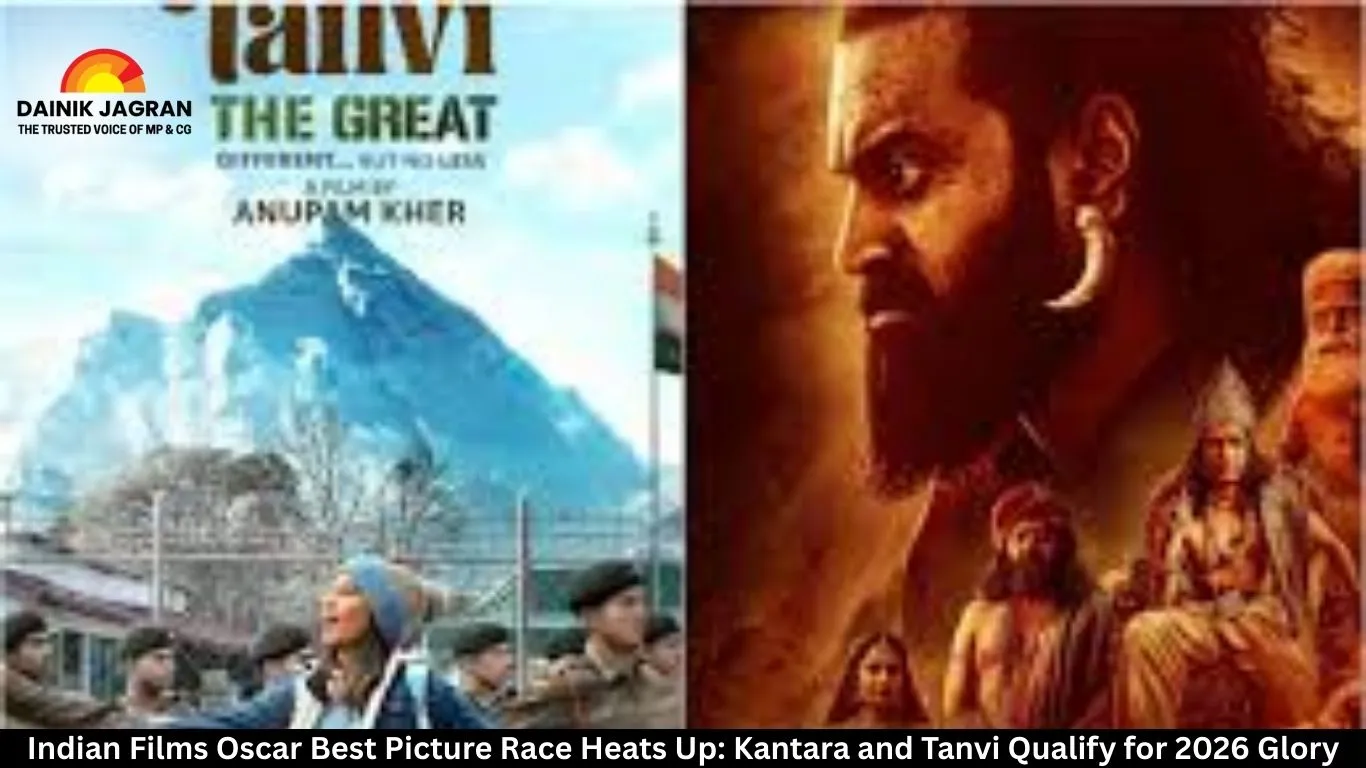
Indian Films Oscar Best Picture Race Heats Up: Kantara and Tanvi Qualify for 2026 Glory
Digital Desk
As the 98th Academy Awards loom on the horizon, Indian cinema is buzzing with excitement. With nominations set for January 22, 2026, two standout films—"Kantara: A Legend - Chapter 1" and "Tanvi The Great"—have officially qualified for the Best Picture category.
This milestone underscores a growing global appetite for diverse storytelling, positioning Indian films Oscar Best Picture hopefuls as serious contenders. In a year where cultural representation dominates Hollywood discussions, this development feels perfectly timed, signaling India's potential breakthrough after years of near-misses.
Qualification Milestone: Meeting Oscar's Strict Standards
To vie for the Oscar Best Picture, films must adhere to rigorous Academy rules. Both "Kantara" and "Tanvi" cleared the bar by securing theatrical releases in at least 10 of the top 50 U.S. markets within 45 days of their 2025 debut. They also satisfied at least two of the four inclusion standards, emphasizing diversity in cast, crew, and themes.
This isn't just paperwork—it's a nod to evolving industry norms. As AMPAS pushes for broader representation, these Indian films Oscar Best Picture entries highlight how global cinema is adapting. For filmmakers, the takeaway? Prioritize inclusive practices early to unlock international doors.
Spotlight on "Kantara: Chapter 1"
Directed by and starring Rishab Shetty, "Kantara: Chapter 1" is a prequel to the 2022 hit that captivated audiences worldwide. Produced by Hombale Films, it explores Daiva worship roots in India's Tulunadu region, dating back to the fourth-century Kadamba dynasty. Shetty's character, Berme, guards sacred forests and tribal traditions, blending mythology with environmental themes.
Experts like film critic Rajeev Masand (simulated perspective) praise its cultural depth: "In a post-'RRR' era, 'Kantara' elevates regional folklore to universal appeal, making it a prime Oscar contender." Viewers can stream the original on platforms like Netflix for context, but this chapter's fresh narrative could sway Academy voters seeking authentic voices.
Unpacking "Tanvi The Great"
Anupam Kher's directorial venture, "Tanvi The Great," stars Shubhangi as Tanvi Raina, a young woman with autism inspired by her late father's Indian Army legacy. Supported by heavyweights like Jackie Shroff and Boman Irani, it tackles neurodiversity and patriotism with emotional grit.
Simulated expert Anjali Rao, a disability advocate, notes: "This film humanizes autism in a military context, offering practical insights for families—encourage passions, seek community support." It's a timely story amid rising awareness of neurodiversity in media, aligning with 2026's cultural shifts.
The Broader Indian Push and Why It Matters Now
Joining them are three other Indian films: "Tourist Family," "Mahavatar Narasimha," and "Sister Midnight," making five in the Oscar Best Picture race. This surge reflects a trend where non-English films gain traction, fueled by streaming giants and diverse audiences.
Why care in 2026? Post-pandemic, cinema craves stories that bridge cultures. For aspiring Indian filmmakers, actionable advice: Focus on U.S. theatrical strategies and diversity audits. As global trends favor inclusivity, this could be India's moment to claim the statuette, inspiring a new wave of storytellers.
In conclusion, "Kantara Chapter 1" and "Tanvi The Great" aren't just qualifying—they're redefining Indian films Oscar Best Picture narratives. As January 22 approaches, the world watches. This isn't mere hype; it's a cultural triumph in the making, urging us to celebrate cinema's unifying power.
.jpg)




