


Is Nepal Headed for More Violent Unrest? Gen Z Leaders Warn of Renewed Fight Despite Interim Government
Digital Desk
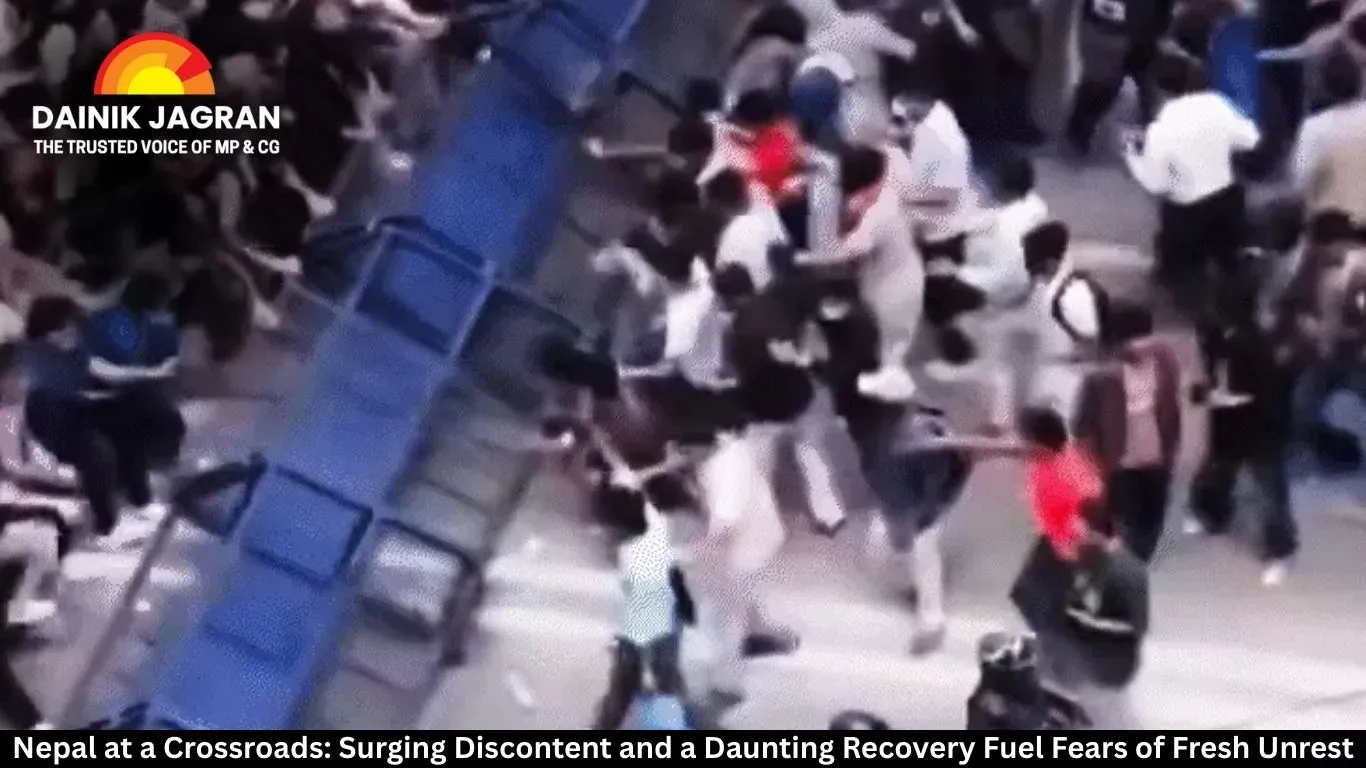
Three months after youth-led protests toppled Nepal's government and appointed the nation's first female prime minister, the promise of a "new Nepal" is faltering.
Widespread dissatisfaction with the pace of change, a crippled economy, and threats from protest leaders suggest the Himalayan nation could be on the brink of renewed instability.
Interim Prime Minister Sushila Karki, a 73-year-old former chief justice appointed in September, has passed the halfway mark of her six-month mandate to restore order and conduct elections by March 5, 2026.
However, core demands for systemic corruption eradication and constitutional reform remain largely unaddressed, leading to public disillusionment.
Economic Toll and Public Sentiment
The September protests left deep economic and social scars, creating a tense backdrop for the interim government's work.
| Aspect of Impact | Details | Source |
| Total Economic Loss | Estimated at over $586 million (approx. NPR 84 billion) | |
| Reconstruction Cost | Estimated need of $252 million | |
| Lives Lost | Official toll of 77 people | |
| GDP Growth Forecast | World Bank projection slashed from 5.1% to 2.1% for 2025 | |
| Job Losses | Preliminary reports indicate nearly 15,000 people lost jobs | |
The human cost is palpable. Kamal Gautam, a kitchen worker who lost his job at a looted Kathmandu hotel, told AFP, "It's been three months since my salary stopped, and I have no idea how to support my family". Tourism, a critical industry, saw visitor numbers plunge 18% year-on-year in September.
The Unmet Demands of Gen Z
The movement that forced change now voices profound disappointment. Key Gen Z figures argue that while the government changed, the entrenched bureaucracy and political system did not.
Gen Z leader Tanka Dhami, part of the movement's core committee, has expressed frustration, stating the bureaucracy remains the same, making quick systemic change difficult. This sentiment echoes a broader fear that the interim administration is being constrained by the old guard.
Mounting Challenges for the Interim Government
Prime Minister Karki’s cabinet, sworn in against the backdrop of a fire-damaged presidential office, faces a monumental task. Beyond physical reconstruction, the government is grappling with a severe security crisis stemming from the protests, including thousands of unaccounted-for prisoners and over 1,100 looted firearms.
Furthermore, analysts point to "diplomatic sluggishness," criticizing the government for delayed appointments in foreign affairs which have created a trust deficit internationally when Nepal needs maximum support.
The Road to 2026 Elections
With the election date set, the interim government's primary mandate is to create a stable environment for a credible poll. However, the convergence of economic distress, unmet protester expectations, and fragile security presents a significant risk. As one analysis starkly put it, "The risk is that disappointment could trigger renewed instability before elections even take place".
The coming weeks will be a critical test of whether Nepal's political forces can channel the country's profound frustrations through the ballot box or if the streets will once again become the arena for change.


.jpg)




