US Strikes Iranian Site Near Bandar Abbas Amid Fragile Ceasefire

Digital Desk

US Strikes Iranian Site Near Bandar Abbas Amid Fragile Ceasefire

The US launched fresh strikes on an Iranian military site near Bandar Abbas, with the EU warning America and Iran are stuck in a dangerous zone between war and peace. Tensions rise as oil prices climb and shipping faces disruption in the Strait of Hormuz.

EU Warns US-Iran Tensions Trapped in Dangerous Zone Between War and Peace

The United States carried out fresh military strikes on an Iranian site near the strategic port city of Bandar Abbas early Thursday, escalating tensions in the fragile US-Iran ceasefire. US Central Command confirmed the action, saying its forces downed four Iranian attack drones and hit a ground control station preparing to launch another.

Iranian media reported explosions east of Bandar Abbas, close to the Strait of Hormuz, though local authorities said there were no immediate casualties or major damage. The Islamic Revolutionary Guard Corps (IRGC) claimed it responded by targeting an “American airbase,” according to semi-official Tasnim news agency.

Strikes Follow Drone Threats

The US operation marked the second strike this week on Iranian targets. CENTCOM described the drones as posing a direct threat to maritime traffic around the critical chokepoint. Iranian sources, meanwhile, linked the incident to an alleged confrontation involving a US tanker attempting to cross the Strait of Hormuz without coordination.

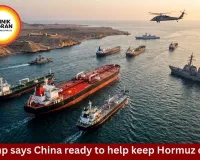
Shipping data from LSEG and Kpler showed three large tankers — two supertankers and one LNG carrier — had passed through the strait earlier in the week with transponders switched off, heading toward India and China. Oil prices reacted sharply, with Brent crude climbing above $95 per barrel amid fresh uncertainty.

EU Sounds Alarm on Fragile Peace

In Cyprus, European Union foreign policy chief Kaja Kallas expressed deep concern over the flare-up. Speaking to reporters at a meeting of EU foreign ministers, she said the US and Iran were caught in a “very dangerous zone” between war and peace.

“They are right now in between this very dangerous zone of war and peace, and it is not in anybody’s interest that this war continues,” Kallas said. Her remarks came as both sides traded accusations despite ongoing diplomatic efforts.

Trump Administration’s Stance

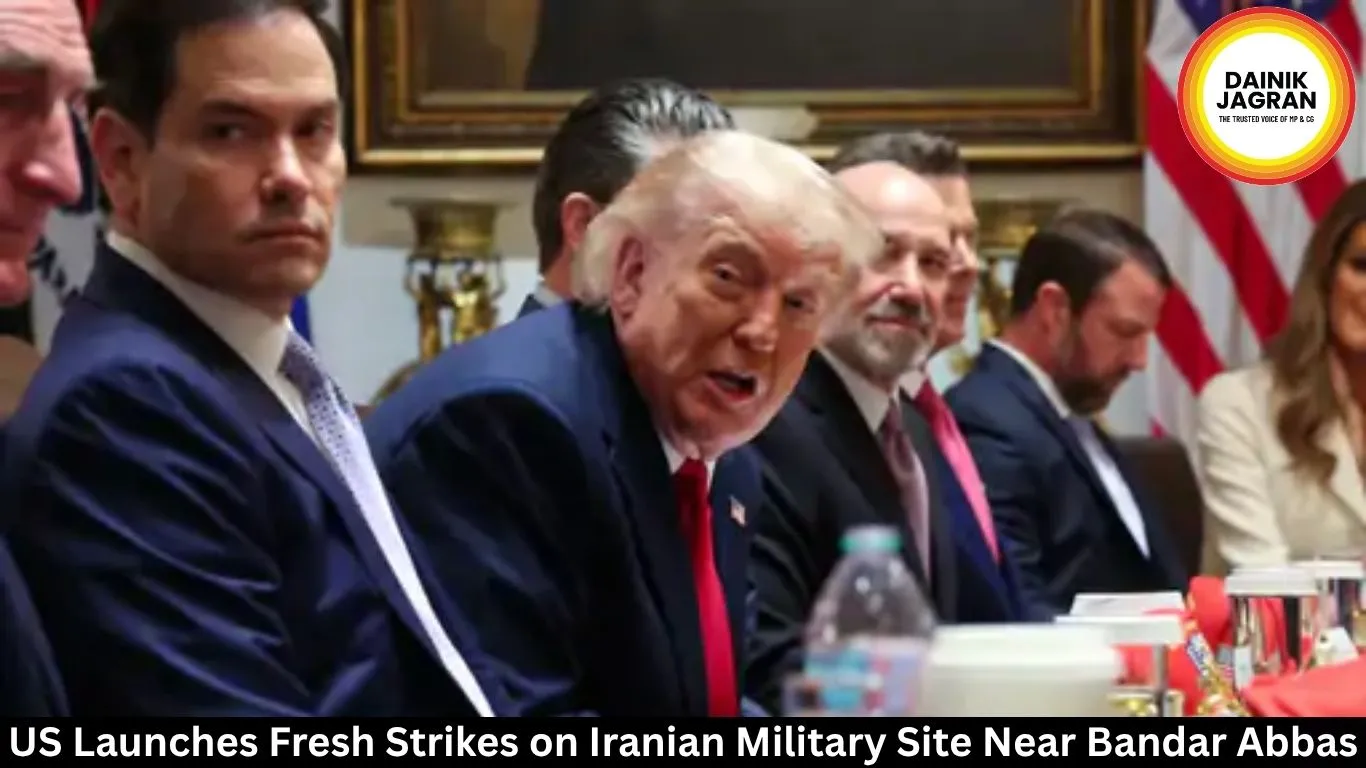
US President Donald Trump convened a cabinet meeting at the White House to discuss the situation. He has repeatedly linked any potential deal with Iran to broader regional normalisation, including expansion of the Abraham Accords to more countries such as Saudi Arabia and Egypt. Secretary of State Marco Rubio reiterated that Washington seeks a diplomatic path but will not allow Iran to develop nuclear weapons.

Iranian officials, including Deputy Secretary of Iran’s Supreme National Security Council Ali Bagheri Kani, demanded the unconditional release of frozen Iranian assets, calling it the “legal right” of the Iranian people.

Energy Markets and Global Ripple Effects

The renewed hostilities are already reshaping global energy strategies. International Energy Agency chief Fatih Birol noted that the conflict has forced countries to seek alternative supply routes and bolster domestic production, warning of the biggest energy security crisis in decades.

In Asia, stock markets opened lower while oil futures surged. Traders remain wary as traffic through the Strait of Hormuz — a vital artery for global crude — stays severely limited compared to pre-conflict levels.

Regional Fallout Widens

The US-Iran exchanges come amid continued Israeli military operations in southern Lebanon, with fresh strikes reported in Tyre and Nabatieh, and new displacement orders issued by the Israeli army. However, the latest developments around Bandar Abbas have shifted immediate international focus back to the Gulf.

Local residents in Bandar Abbas reported hearing loud explosions in the morning, with Iranian air defence systems briefly activated. Iranian state media described the situation as under control.

What Lies Ahead

Diplomatic channels between the US and Iran remain active, though both sides appear locked in a tense standoff. Analysts say any sustained ceasefire will require significant concessions on sanctions, nuclear issues, and regional proxy conflicts.

For now, the situation in the Strait of Hormuz and surrounding waters remains highly volatile, with implications stretching far beyond the Middle East — affecting energy prices, shipping safety, and global economic stability.

 

--------

๐Ÿšจ Beat the News Rush โ€“ Join Now!

Get breaking alerts, hot exclusives, and game-changing stories instantly on your phone. No delays, no fluff โ€“ just the edge you need. โšก

Tap to join:ย 

๐ŸŸข WhatsApp Channel: Dainik Jagran MP CG

Crave more?

๐Ÿ…• Facebook: Dainik Jagran MP CG English

๐Ÿ…ง Twitter (X): Dainik Jagran MP CG

๐Ÿ…˜ Instagram: Dainik Jagran MP CG

Share the fire โ€“ keep your crew ahead! ๐Ÿ—ž๏ธ๐Ÿ”ฅ

english.dainikjagranmpcg.com
28 May 2026 By Abhishek Joshi

US Strikes Iranian Site Near Bandar Abbas Amid Fragile Ceasefire

Digital Desk

EU Warns US-Iran Tensions Trapped in Dangerous Zone Between War and Peace

The United States carried out fresh military strikes on an Iranian site near the strategic port city of Bandar Abbas early Thursday, escalating tensions in the fragile US-Iran ceasefire. US Central Command confirmed the action, saying its forces downed four Iranian attack drones and hit a ground control station preparing to launch another.

Iranian media reported explosions east of Bandar Abbas, close to the Strait of Hormuz, though local authorities said there were no immediate casualties or major damage. The Islamic Revolutionary Guard Corps (IRGC) claimed it responded by targeting an “American airbase,” according to semi-official Tasnim news agency.

Strikes Follow Drone Threats

The US operation marked the second strike this week on Iranian targets. CENTCOM described the drones as posing a direct threat to maritime traffic around the critical chokepoint. Iranian sources, meanwhile, linked the incident to an alleged confrontation involving a US tanker attempting to cross the Strait of Hormuz without coordination.

Shipping data from LSEG and Kpler showed three large tankers — two supertankers and one LNG carrier — had passed through the strait earlier in the week with transponders switched off, heading toward India and China. Oil prices reacted sharply, with Brent crude climbing above $95 per barrel amid fresh uncertainty.

EU Sounds Alarm on Fragile Peace

In Cyprus, European Union foreign policy chief Kaja Kallas expressed deep concern over the flare-up. Speaking to reporters at a meeting of EU foreign ministers, she said the US and Iran were caught in a “very dangerous zone” between war and peace.

“They are right now in between this very dangerous zone of war and peace, and it is not in anybody’s interest that this war continues,” Kallas said. Her remarks came as both sides traded accusations despite ongoing diplomatic efforts.

Trump Administration’s Stance

US President Donald Trump convened a cabinet meeting at the White House to discuss the situation. He has repeatedly linked any potential deal with Iran to broader regional normalisation, including expansion of the Abraham Accords to more countries such as Saudi Arabia and Egypt. Secretary of State Marco Rubio reiterated that Washington seeks a diplomatic path but will not allow Iran to develop nuclear weapons.

Iranian officials, including Deputy Secretary of Iran’s Supreme National Security Council Ali Bagheri Kani, demanded the unconditional release of frozen Iranian assets, calling it the “legal right” of the Iranian people.

Energy Markets and Global Ripple Effects

The renewed hostilities are already reshaping global energy strategies. International Energy Agency chief Fatih Birol noted that the conflict has forced countries to seek alternative supply routes and bolster domestic production, warning of the biggest energy security crisis in decades.

In Asia, stock markets opened lower while oil futures surged. Traders remain wary as traffic through the Strait of Hormuz — a vital artery for global crude — stays severely limited compared to pre-conflict levels.

Regional Fallout Widens

The US-Iran exchanges come amid continued Israeli military operations in southern Lebanon, with fresh strikes reported in Tyre and Nabatieh, and new displacement orders issued by the Israeli army. However, the latest developments around Bandar Abbas have shifted immediate international focus back to the Gulf.

Local residents in Bandar Abbas reported hearing loud explosions in the morning, with Iranian air defence systems briefly activated. Iranian state media described the situation as under control.

What Lies Ahead

Diplomatic channels between the US and Iran remain active, though both sides appear locked in a tense standoff. Analysts say any sustained ceasefire will require significant concessions on sanctions, nuclear issues, and regional proxy conflicts.

For now, the situation in the Strait of Hormuz and surrounding waters remains highly volatile, with implications stretching far beyond the Middle East — affecting energy prices, shipping safety, and global economic stability.
 

https://english.dainikjagranmpcg.com/special-news/us-strikes-iranian-site-near-bandar-abbas-amid-fragile-ceasefire/article-19358

Latest News