ATS Probes Alleged Terror Module in Bhopal, Suspects Reveal Network Details
Digital Desk
Investigators examining nationwide links after suspects allegedly disclose recruitment methods, online networks, and radicalisation efforts during interrogation
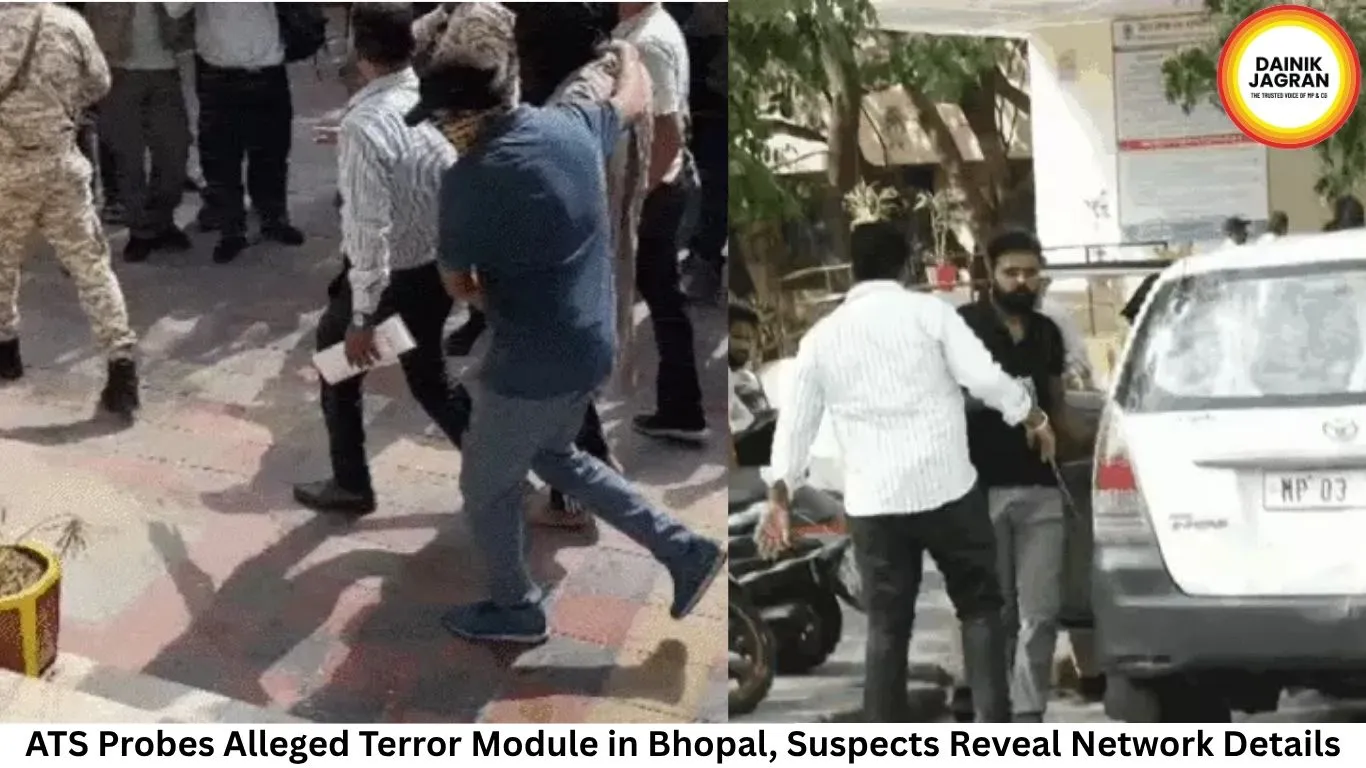
The Madhya Pradesh Anti-Terrorism Squad (ATS) has intensified its investigation into an alleged terror module uncovered in Bhopal after fresh disclosures emerged during the interrogation of arrested suspects. According to investigators, the accused have provided information about an alleged network operating through online platforms and linked to individuals based in Pakistan.
Officials said the investigation is currently focused on identifying the network's structure, tracing its connections across multiple states, and verifying claims made during questioning. The agency is also examining digital evidence, communication records, and materials recovered during raids.
According to ATS sources, suspect Izhar-ul-Haq, who is currently on police remand, allegedly told investigators that members of the network were working toward a long-term objective referred to as "Mission 2047." Investigators claim the alleged plan was linked to advancing the agenda of the banned organization, the Popular Front of India (PFI), by mobilizing individuals through online channels and ideological messaging.
Authorities stressed that many of the claims emerged during interrogation and remain subject to verification as the investigation progresses.
Alleged Recruitment and Radicalisation Network
According to the ATS, the suspects were allegedly connected through WhatsApp and Telegram groups operated by handlers believed to be based in Pakistan. Investigators claim these groups were used to disseminate ideological content, recruit new members, and maintain communication with individuals in different parts of India.
Officials allege that one of the suspects, Faraz, was tasked with introducing young individuals to the network. During questioning, investigators claim he disclosed information about recruitment methods and the role of online platforms in connecting members.
The ATS further alleges that recruits were encouraged to adopt extremist views and were promised support for future activities. Investigators are examining whether the network had operational capabilities or was primarily engaged in recruitment and radicalisation efforts.
Nationwide Links Under Investigation
The ATS is now tracing the network's possible links beyond Madhya Pradesh. According to investigators, digital evidence suggests contact between suspects and individuals located in different states as well as overseas.
Officials claim Faraz had been in contact with a person identified as Naeem Abdullah for several years and that this connection may have helped introduce suspects to foreign-based handlers. These claims are being independently verified through forensic analysis of electronic devices and communication records.
Investigators are also examining allegations that one suspect was encouraged to obtain a passport for possible travel abroad through a third country. Authorities are working to determine whether any such plans moved beyond the discussion stage.
Digital Evidence and Recovered Material
As part of the investigation, the ATS has seized electronic devices, documents, and literature from locations linked to the suspects. Officials said forensic teams are analyzing the recovered material to establish the nature of the network and assess the extent of its activities.
The agency has emphasized that the investigation remains ongoing and that all allegations will be tested against available evidence. Further arrests or searches have not been ruled out as investigators continue to map the alleged network.
Security experts note that online radicalisation and encrypted communication platforms have become a significant focus for counter-terror agencies in recent years. The current probe is expected to shed light on how such networks operate and recruit individuals across different regions.
For now, the ATS continues to question the accused and examine digital trails. Officials say a clearer picture of the alleged module's reach, objectives, and external connections will emerge as the investigation advances and forensic reports become available.

--------
🚨 Beat the News Rush – Join Now!
Get breaking alerts, hot exclusives, and game-changing stories instantly on your phone. No delays, no fluff – just the edge you need. ⚡
Tap to join:
🟢 WhatsApp Channel: Dainik Jagran MP CG
Crave more?
🅕 Facebook: Dainik Jagran MP CG English
🅧 Twitter (X): Dainik Jagran MP CG
🅘 Instagram: Dainik Jagran MP CG
Share the fire – keep your crew ahead! 🗞️🔥
ATS Probes Alleged Terror Module in Bhopal, Suspects Reveal Network Details
Digital Desk
The Madhya Pradesh Anti-Terrorism Squad (ATS) has intensified its investigation into an alleged terror module uncovered in Bhopal after fresh disclosures emerged during the interrogation of arrested suspects. According to investigators, the accused have provided information about an alleged network operating through online platforms and linked to individuals based in Pakistan.
Officials said the investigation is currently focused on identifying the network's structure, tracing its connections across multiple states, and verifying claims made during questioning. The agency is also examining digital evidence, communication records, and materials recovered during raids.
According to ATS sources, suspect Izhar-ul-Haq, who is currently on police remand, allegedly told investigators that members of the network were working toward a long-term objective referred to as "Mission 2047." Investigators claim the alleged plan was linked to advancing the agenda of the banned organization, the Popular Front of India (PFI), by mobilizing individuals through online channels and ideological messaging.
Authorities stressed that many of the claims emerged during interrogation and remain subject to verification as the investigation progresses.
Alleged Recruitment and Radicalisation Network
According to the ATS, the suspects were allegedly connected through WhatsApp and Telegram groups operated by handlers believed to be based in Pakistan. Investigators claim these groups were used to disseminate ideological content, recruit new members, and maintain communication with individuals in different parts of India.
Officials allege that one of the suspects, Faraz, was tasked with introducing young individuals to the network. During questioning, investigators claim he disclosed information about recruitment methods and the role of online platforms in connecting members.
The ATS further alleges that recruits were encouraged to adopt extremist views and were promised support for future activities. Investigators are examining whether the network had operational capabilities or was primarily engaged in recruitment and radicalisation efforts.
Nationwide Links Under Investigation
The ATS is now tracing the network's possible links beyond Madhya Pradesh. According to investigators, digital evidence suggests contact between suspects and individuals located in different states as well as overseas.
Officials claim Faraz had been in contact with a person identified as Naeem Abdullah for several years and that this connection may have helped introduce suspects to foreign-based handlers. These claims are being independently verified through forensic analysis of electronic devices and communication records.
Investigators are also examining allegations that one suspect was encouraged to obtain a passport for possible travel abroad through a third country. Authorities are working to determine whether any such plans moved beyond the discussion stage.
Digital Evidence and Recovered Material
As part of the investigation, the ATS has seized electronic devices, documents, and literature from locations linked to the suspects. Officials said forensic teams are analyzing the recovered material to establish the nature of the network and assess the extent of its activities.
The agency has emphasized that the investigation remains ongoing and that all allegations will be tested against available evidence. Further arrests or searches have not been ruled out as investigators continue to map the alleged network.
Security experts note that online radicalisation and encrypted communication platforms have become a significant focus for counter-terror agencies in recent years. The current probe is expected to shed light on how such networks operate and recruit individuals across different regions.
For now, the ATS continues to question the accused and examine digital trails. Officials say a clearer picture of the alleged module's reach, objectives, and external connections will emerge as the investigation advances and forensic reports become available.