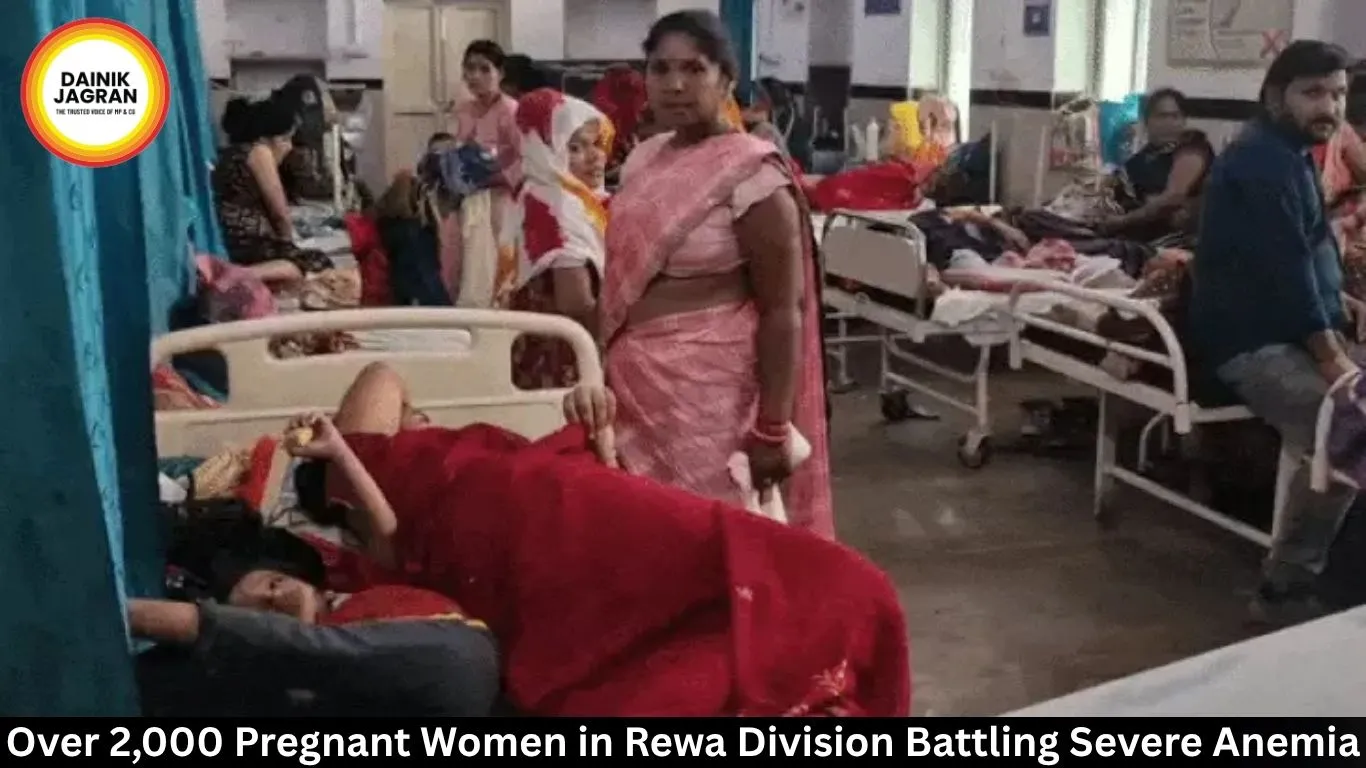
Over 2,000 Pregnant Women in Rewa Face Severe Anemia Crisis

Digital Desk

Over 2,000 Pregnant Women in Rewa Face Severe Anemia Crisis

Rewa division reports over 2,000 pregnant women suffering from severe anemia with critically low hemoglobin levels. Satna, Sidhi and Singrauli also affected. Deputy CM Rajendra Shukla promises strict action under Anemia Mukt Bharat campaign.

Health authorities flag critical hemoglobin levels across four districts

More than 2,000 pregnant women in Madhya Pradesh’s Rewa division are grappling with severe anemia, with hemoglobin levels dropping dangerously below 7 grams per deciliter, raising serious concerns for maternal and child health.

According to the latest data from the state health department, the situation is particularly alarming in Rewa district, where 884 expectant mothers have been identified with critically low hemoglobin. Satna follows with 567 cases, while Sidhi and Singrauli report 303 and 246 affected women respectively. These figures have put the spotlight on the division’s public health infrastructure and its ability to manage high-risk pregnancies.

Districts Bear the Brunt

Rewa division, comprising Rewa, Satna, Sidhi, and Singrauli districts, has emerged as a major concern in the state’s anemia mapping. Officials note that many of these women are from rural and tribal-dominated pockets where access to nutritious food and regular antenatal care remains limited. The division’s performance in managing severe anemia cases during pregnancy is among the lowest in the state, according to provincial-level reports.

Health workers on the ground say the numbers reflect both the prevalence of the condition and improved screening efforts in recent months. However, the gap between detection and effective treatment continues to worry doctors.

Symptoms Often Surface Late

Medical experts point out that severe anemia in pregnancy manifests through excessive fatigue, persistent weakness, dizziness, shortness of breath, frequent headaches, and noticeable pallor. In many instances, women remain unaware of their condition until they reach the hospital for delivery.

This late detection significantly heightens risks during childbirth, including complications that can endanger both mother and baby. Doctors warn that untreated severe anemia can multiply the chances of maternal mortality and lead to low birth weight or developmental issues in newborns.

Official Response and Assurance

Deputy Chief Minister Rajendra Shukla, who also holds key responsibilities in the health sector, described the situation as “very serious.” He assured that strict directives would be issued to the health department to take effective measures. 

“Work is already underway under the national Anemia Mukt Bharat campaign,” Shukla said, adding that efforts to create awareness about nutrition and blood deficiency would be intensified right from the adolescent stage for girls. Sources familiar with the matter indicated that additional interventions, including better supply of iron-folic acid supplements and strengthened outreach in remote areas, are likely to be prioritised.

Background of a Persistent Challenge

Anemia has long been a public health issue in Madhya Pradesh, particularly in the Vindhya and Baghelkhand regions that form much of Rewa division. Poor dietary diversity, early marriages, frequent pregnancies, and inadequate healthcare access are commonly cited contributing factors. The condition is not just a medical problem but also mirrors deeper socio-economic realities in these districts.

State-wide initiatives under Anemia Mukt Bharat have shown some progress in urban centres, but rural implementation remains patchy. Regular hemoglobin testing during antenatal check-ups, timely iron supplementation, and dietary counselling are considered critical, yet ground-level gaps persist.

Impact on Mothers and Future Generations

Public health specialists emphasise that anemia in pregnancy affects not only immediate delivery outcomes but also the long-term health of children. Anemic mothers are more likely to deliver babies with compromised immunity and cognitive development challenges. In a region where institutional deliveries have improved, the quality of care before and after birth now demands urgent attention.

Local health officials have begun mobilising teams for intensified screening and follow-up. Community health workers (ASHAs and ANMs) are being asked to ensure that identified cases receive prompt treatment and nutritional support.

Way Forward: Need for Sustained Action

While the Deputy Chief Minister’s assurance has brought some hope, experts stress the need for long-term, multi-sectoral action. This includes improving access to fortified foods, promoting kitchen gardens, enhancing girls’ education on nutrition, and ensuring robust supply chains for medicines in far-flung areas.

The Rewa division data serves as a wake-up call for health administrators across Madhya Pradesh. With focused intervention and community participation, officials believe the tide can be turned, but it will require consistent monitoring and resources beyond periodic campaigns.

As the health department gears up for stronger action, families in the region await tangible improvements in maternal care services. The coming months will be crucial in determining whether these vulnerable mothers receive the timely support they urgently need.


 

--------

🚨 Beat the News Rush – Join Now!

Get breaking alerts, hot exclusives, and game-changing stories instantly on your phone. No delays, no fluff – just the edge you need. ⚑

Tap to join:Β 

🟒 WhatsApp Channel: Dainik Jagran MP CG

Crave more?

πŸ…• Facebook: Dainik Jagran MP CG English

πŸ…§ Twitter (X): Dainik Jagran MP CG

πŸ…˜ Instagram: Dainik Jagran MP CG

Share the fire – keep your crew ahead! πŸ—žοΈπŸ”₯

english.dainikjagranmpcg.com
14 Jun 2026 By Abhishek Joshi

Over 2,000 Pregnant Women in Rewa Face Severe Anemia Crisis

Digital Desk

Health authorities flag critical hemoglobin levels across four districts

More than 2,000 pregnant women in Madhya Pradesh’s Rewa division are grappling with severe anemia, with hemoglobin levels dropping dangerously below 7 grams per deciliter, raising serious concerns for maternal and child health.

According to the latest data from the state health department, the situation is particularly alarming in Rewa district, where 884 expectant mothers have been identified with critically low hemoglobin. Satna follows with 567 cases, while Sidhi and Singrauli report 303 and 246 affected women respectively. These figures have put the spotlight on the division’s public health infrastructure and its ability to manage high-risk pregnancies.

Districts Bear the Brunt

Rewa division, comprising Rewa, Satna, Sidhi, and Singrauli districts, has emerged as a major concern in the state’s anemia mapping. Officials note that many of these women are from rural and tribal-dominated pockets where access to nutritious food and regular antenatal care remains limited. The division’s performance in managing severe anemia cases during pregnancy is among the lowest in the state, according to provincial-level reports.

Health workers on the ground say the numbers reflect both the prevalence of the condition and improved screening efforts in recent months. However, the gap between detection and effective treatment continues to worry doctors.

Symptoms Often Surface Late

Medical experts point out that severe anemia in pregnancy manifests through excessive fatigue, persistent weakness, dizziness, shortness of breath, frequent headaches, and noticeable pallor. In many instances, women remain unaware of their condition until they reach the hospital for delivery.

This late detection significantly heightens risks during childbirth, including complications that can endanger both mother and baby. Doctors warn that untreated severe anemia can multiply the chances of maternal mortality and lead to low birth weight or developmental issues in newborns.

Official Response and Assurance

Deputy Chief Minister Rajendra Shukla, who also holds key responsibilities in the health sector, described the situation as “very serious.” He assured that strict directives would be issued to the health department to take effective measures. 

“Work is already underway under the national Anemia Mukt Bharat campaign,” Shukla said, adding that efforts to create awareness about nutrition and blood deficiency would be intensified right from the adolescent stage for girls. Sources familiar with the matter indicated that additional interventions, including better supply of iron-folic acid supplements and strengthened outreach in remote areas, are likely to be prioritised.

Background of a Persistent Challenge

Anemia has long been a public health issue in Madhya Pradesh, particularly in the Vindhya and Baghelkhand regions that form much of Rewa division. Poor dietary diversity, early marriages, frequent pregnancies, and inadequate healthcare access are commonly cited contributing factors. The condition is not just a medical problem but also mirrors deeper socio-economic realities in these districts.

State-wide initiatives under Anemia Mukt Bharat have shown some progress in urban centres, but rural implementation remains patchy. Regular hemoglobin testing during antenatal check-ups, timely iron supplementation, and dietary counselling are considered critical, yet ground-level gaps persist.

Impact on Mothers and Future Generations

Public health specialists emphasise that anemia in pregnancy affects not only immediate delivery outcomes but also the long-term health of children. Anemic mothers are more likely to deliver babies with compromised immunity and cognitive development challenges. In a region where institutional deliveries have improved, the quality of care before and after birth now demands urgent attention.

Local health officials have begun mobilising teams for intensified screening and follow-up. Community health workers (ASHAs and ANMs) are being asked to ensure that identified cases receive prompt treatment and nutritional support.

Way Forward: Need for Sustained Action

While the Deputy Chief Minister’s assurance has brought some hope, experts stress the need for long-term, multi-sectoral action. This includes improving access to fortified foods, promoting kitchen gardens, enhancing girls’ education on nutrition, and ensuring robust supply chains for medicines in far-flung areas.

The Rewa division data serves as a wake-up call for health administrators across Madhya Pradesh. With focused intervention and community participation, officials believe the tide can be turned, but it will require consistent monitoring and resources beyond periodic campaigns.

As the health department gears up for stronger action, families in the region await tangible improvements in maternal care services. The coming months will be crucial in determining whether these vulnerable mothers receive the timely support they urgently need.

 

https://english.dainikjagranmpcg.com/states/madhya-pradesh/vindhya-rewa/over-2000-pregnant-women-in-rewa-face-severe-anemia-crisis/article-20107

Related Posts

Latest News