Astrobase Unveils 800 kN Everest FFSC Rocket Engine in India

Digital desk

Astrobase Unveils 800 kN Everest FFSC Rocket Engine in India

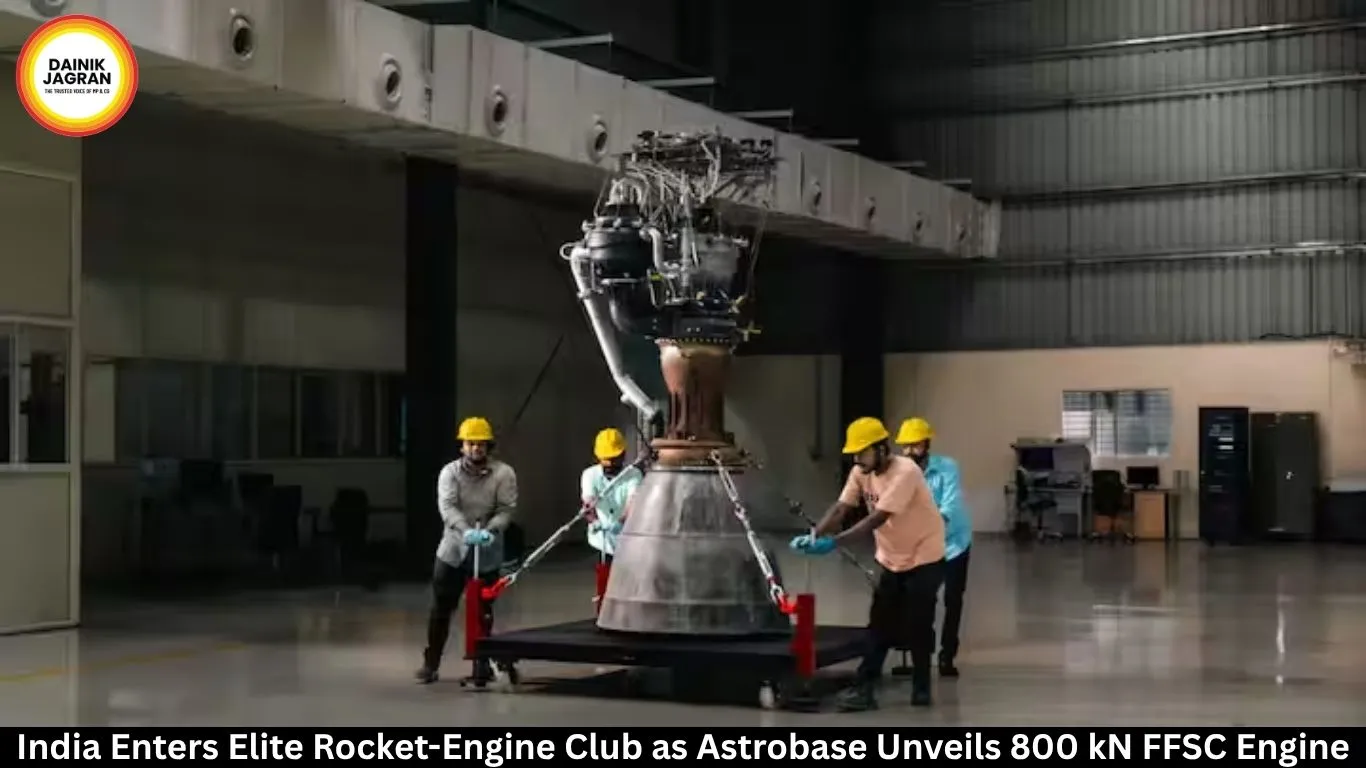
Bengaluru-based Astrobase Space Technologies has unveiled its 800 kN Everest FFSC rocket engine for a planned reusable launch vehicle targeting its first orbital flight in 2028.

India’s private space sector has taken a major step towards developing advanced rocket propulsion systems, with Bengaluru-based Astrobase Space Technologies unveiling an 800 kN-class Full-Flow Staged Combustion (FFSC)engine.

Named Everest, the engine is being developed for Astrobase’s planned reusable medium-lift launch vehicle. The company is targeting its first orbital flight by December 2028, with commercial operations expected around the same period.

However, the engine is still at an early stage of development. Astrobase has not yet conducted hot-fire testing, meaning the propulsion system is yet to demonstrate its performance under actual firing conditions. The company expects to begin testing in the coming months.

Also Read... Anil Menon, Sophie Adenot Remove Failed ISS Antenna After 6-Hour Spacewalk

800 kN Thrust Engine

According to Astrobase, Everest is designed to generate around 800 kN of thrust and uses liquid oxygen and methaneas propellants.

The company is targeting a specific impulse of around 340 seconds, while the engine is designed to operate across a throttle range of approximately 50 per cent to 110 per cent.

The ability to throttle the engine is particularly important for reusable launch vehicles because controlled changes in thrust are required during different stages of ascent and landing.

Astrobase CEO Neeraj Khandelwal said the company wants to develop a reusable launch vehicle system from India and eventually establish a high-frequency orbital launch capability.

Why FFSC Engines Matter

Full-Flow Staged Combustion is considered one of the most technically demanding rocket-engine cycles.

In an FFSC engine, both the fuel and oxidiser are converted into gases before entering the combustion chamber. This architecture can improve engine efficiency and the operating conditions of turbomachinery.

Because of the engineering challenges involved, FFSC propulsion has been pursued by only a limited number of countries and companies.

The technology has been associated with advanced propulsion programmes in the United States, Russia and China. Astrobase says it is among the few commercial companies attempting to develop an engine using this architecture.

Reusable Launch Vehicle

Everest is being developed as part of Astrobase’s larger reusable launch vehicle programme.

The company plans to use the engine to power a medium-lift orbital rocket designed for repeated launches. Its first orbital flight is currently targeted for December 2028.

The timeline, however, will depend on the results of engine testing and subsequent qualification.

Before an engine can be used for an orbital mission, it must undergo multiple stages of testing, including hot-fire trials, performance validation, repeated firings and integration with the launch vehicle.

Over 70% Indigenous

Astrobase says more than 70 per cent of Everest has been developed and manufactured in India.

The company said the engine has been designed in-house and is being manufactured in Bengaluru. Imports are currently limited to components that are not yet available domestically, including certain specialised sensors.

The company sees indigenous propulsion development as an important part of building a domestic private-sector launch ecosystem.

Ambitious Launch Targets

Astrobase is also targeting a substantial increase in annual launch capacity.

The company aims to initially develop the capability to place around 100 tonnes of payload into orbit each year, with a long-term target of scaling that figure to more than 1,000 tonnes annually.

Khandelwal said the company believes the global launch market remains constrained by limited launch capacity and that additional providers could help meet growing demand.

Astrobase has not disclosed the identity of its first customer.

Testing Will Decide Next Step

The unveiling of Everest marks the beginning rather than the completion of the propulsion programme.

The engine still needs to undergo hot-fire testing, qualification and eventual flight integration. The company will also have to demonstrate that the engine can meet its targeted performance consistently under demanding operating conditions.

For now, the key test for Astrobase will be whether Everest can successfully move from an unveiled prototype to a tested and flight-qualified propulsion system.

If the company meets its planned testing and development milestones, the engine could become an important component of India’s expanding private space-launch ecosystem.

 

english.dainikjagranmpcg.com
08 Aug 2026 By Abhishek Joshi

Astrobase Unveils 800 kN Everest FFSC Rocket Engine in India

Digital desk

India’s private space sector has taken a major step towards developing advanced rocket propulsion systems, with Bengaluru-based Astrobase Space Technologies unveiling an 800 kN-class Full-Flow Staged Combustion (FFSC)engine.

Named Everest, the engine is being developed for Astrobase’s planned reusable medium-lift launch vehicle. The company is targeting its first orbital flight by December 2028, with commercial operations expected around the same period.

However, the engine is still at an early stage of development. Astrobase has not yet conducted hot-fire testing, meaning the propulsion system is yet to demonstrate its performance under actual firing conditions. The company expects to begin testing in the coming months.

800 kN Thrust Engine

According to Astrobase, Everest is designed to generate around 800 kN of thrust and uses liquid oxygen and methaneas propellants.

The company is targeting a specific impulse of around 340 seconds, while the engine is designed to operate across a throttle range of approximately 50 per cent to 110 per cent.

The ability to throttle the engine is particularly important for reusable launch vehicles because controlled changes in thrust are required during different stages of ascent and landing.

Astrobase CEO Neeraj Khandelwal said the company wants to develop a reusable launch vehicle system from India and eventually establish a high-frequency orbital launch capability.

Why FFSC Engines Matter

Full-Flow Staged Combustion is considered one of the most technically demanding rocket-engine cycles.

In an FFSC engine, both the fuel and oxidiser are converted into gases before entering the combustion chamber. This architecture can improve engine efficiency and the operating conditions of turbomachinery.

Because of the engineering challenges involved, FFSC propulsion has been pursued by only a limited number of countries and companies.

The technology has been associated with advanced propulsion programmes in the United States, Russia and China. Astrobase says it is among the few commercial companies attempting to develop an engine using this architecture.

Reusable Launch Vehicle

Everest is being developed as part of Astrobase’s larger reusable launch vehicle programme.

The company plans to use the engine to power a medium-lift orbital rocket designed for repeated launches. Its first orbital flight is currently targeted for December 2028.

The timeline, however, will depend on the results of engine testing and subsequent qualification.

Before an engine can be used for an orbital mission, it must undergo multiple stages of testing, including hot-fire trials, performance validation, repeated firings and integration with the launch vehicle.

Over 70% Indigenous

Astrobase says more than 70 per cent of Everest has been developed and manufactured in India.

The company said the engine has been designed in-house and is being manufactured in Bengaluru. Imports are currently limited to components that are not yet available domestically, including certain specialised sensors.

The company sees indigenous propulsion development as an important part of building a domestic private-sector launch ecosystem.

Ambitious Launch Targets

Astrobase is also targeting a substantial increase in annual launch capacity.

The company aims to initially develop the capability to place around 100 tonnes of payload into orbit each year, with a long-term target of scaling that figure to more than 1,000 tonnes annually.

Khandelwal said the company believes the global launch market remains constrained by limited launch capacity and that additional providers could help meet growing demand.

Astrobase has not disclosed the identity of its first customer.

Testing Will Decide Next Step

The unveiling of Everest marks the beginning rather than the completion of the propulsion programme.

The engine still needs to undergo hot-fire testing, qualification and eventual flight integration. The company will also have to demonstrate that the engine can meet its targeted performance consistently under demanding operating conditions.

For now, the key test for Astrobase will be whether Everest can successfully move from an unveiled prototype to a tested and flight-qualified propulsion system.

If the company meets its planned testing and development milestones, the engine could become an important component of India’s expanding private space-launch ecosystem.

 

https://english.dainikjagranmpcg.com/top-stories/astrobase-unveils-800-kn-everest-ffsc-rocket-engine-in-india/article-25214

--------

🚨 Beat the News Rush – Join Now!

Get breaking alerts, hot exclusives, and game-changing stories instantly on your phone. No delays, no fluff – just the edge you need. ⚡

Tap to join: 

🟢 WhatsApp Channel: Dainik Jagran MP CG

Crave more?

🅕 Facebook: Dainik Jagran MP CG English

🅧 Twitter (X): Dainik Jagran MP CG

🅘 Instagram: Dainik Jagran MP CG

Share the fire – keep your crew ahead! 🗞️🔥

Trending News