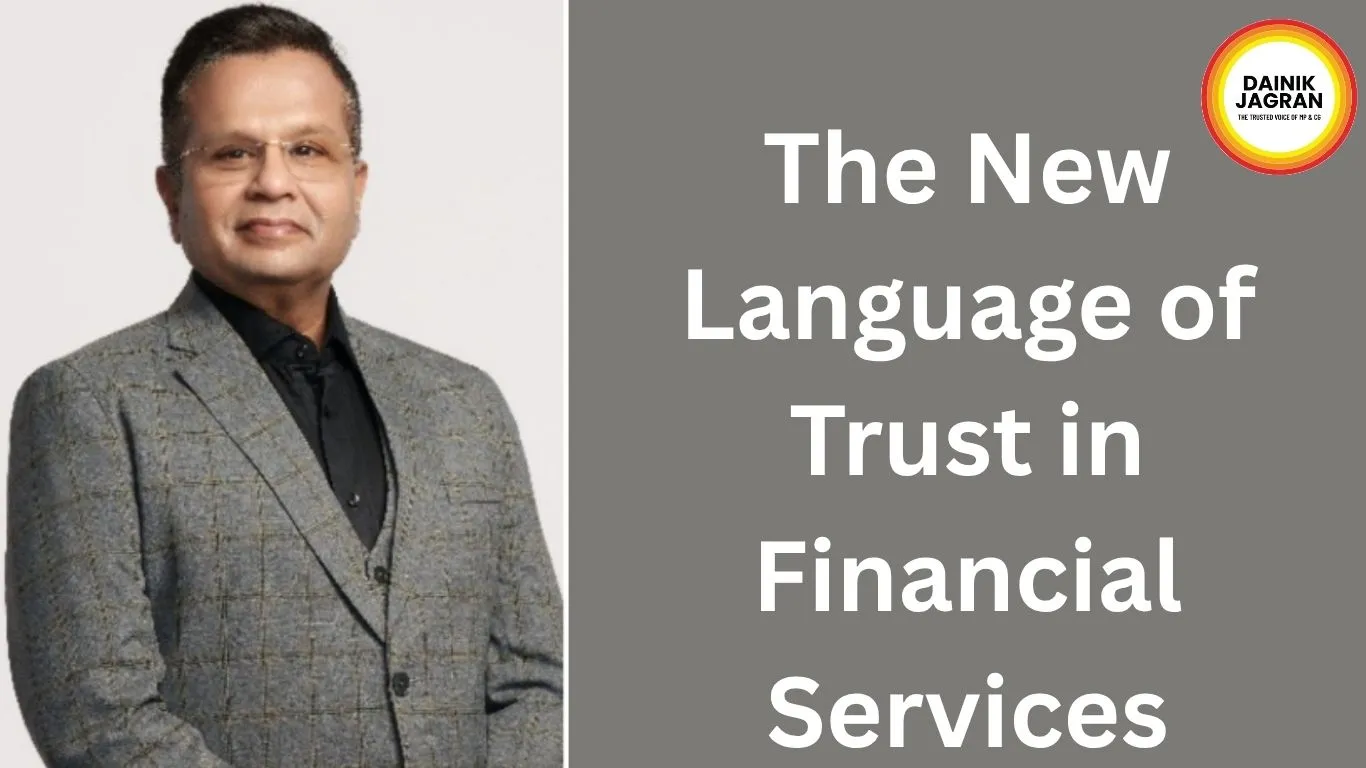
The New Language of Trust in Financial Services
By Milan Parikh, MD & Chairman, Jainam
India’s financial services landscape is undergoing a fundamental shift. Capital market participation is expanding rapidly, investors are becoming younger, access to financial products is becoming easier, and information is available instantly. This is a positive development for India’s equity culture, and it also places greater responsibility on financial institutions.
For many years, trust in financial services was shaped by legacy, physical presence, relationship networks, and access. These factors continue to matter. However, the meaning of trust has evolved. Today, investors judge a financial institution by the clarity of its communication, the consistency of its conduct and the quality of guidance it provides during volatile market conditions.
This is the new language of trust in financial services.
Investors Are More Informed, Yet More Exposed
A new generation of investors is entering India’s capital markets. They are digital-first, mobile-led, and comfortable making financial decisions through platforms. They have access to market data, research, commentary, expert views, and peer opinions at a scale that was not possible earlier. Access to information does not always create clarity.
The modern investor often faces the opposite challenge. There is too much information, too many opinions, and too much short-term noise. Market movements are interpreted instantly. Narratives change quickly.
For first-time investors and traders, this environment can be difficult to navigate. Their early experience of the market may include volatility, corrections, global developments, liquidity shifts, and sudden changes in sentiment. In such moments, behaviour becomes as important as knowledge. The ability to stay disciplined, avoid impulsive decisions, understand risk, and remain focused on long-term objectives becomes critical.
This is where financial institutions have a larger role to play.
The Role of a Financial Institution Has Moved Beyond Transactions
The financial services industry has made access significantly easier. Opening an account, placing a trade, investing in a product, or consuming market information can now happen with far less friction than before. Access, however, is only the first layer of participation.
The deeper need is guidance.
Investors need institutions that help them make sense of markets and participate with greater confidence. They need communication that is clear, balanced, and timely. They need platforms that reduce complexity and make decision-making easier. They need brands that help them understand risk and build confidence through informed choices.
Investors remember who helped them stay balanced. They remember who communicated responsibly. They remember who gave perspective instead of amplifying panic.
Why Trust, Guidance, and Clarity Matter More in This Category
Financial services is a high-involvement, high-consequence category. The decisions investors make here can directly affect their savings, aspirations, and long-term financial security. This makes trust central to brand choice and long-term loyalty.
A trusted brand holds relevance across every stage of an investor’s journey. While trust may influence initial consideration when someone begins investing, its importancedeepens as investors gain experience and navigate more complex market decisions. As investors and traders become more active and informed, they increasingly look for platforms and institutions that can provide stronger guidance, sharper insights, and a long-term perspective to support better decision-making. In such an environment, consistency, credibility, and responsible engagement play an important role in strengthening retention and building long-term advocacy across market cycles.
As India’s investor base expands beyond traditional market centres and into Tier II and Tier III cities, this responsibility becomes even more important. Many new participants may be entering formal markets for the first time. Their experience will shape their relationship with the institution and their confidence in the broader financial ecosystem.
The Future Belongs to Institutions That Build Confidence
India’s equity culture is still in its formative stages. The opportunity ahead is significant, but it must be built responsibly. As participation deepens, financial institutions will need to move beyond product distribution and platform convenience. They will need to build ecosystems that encourage informed participation, responsible decision-making, and long-term discipline.
This requires a different brand mindset.
The strongest financial institutions of the future will be those that remain present during moments of volatility. They will provide tools, perspective, and guidance through the investor journey. They will help investors enter the market, make better decisions, and stay committed across cycles. In the next phase of India’s capital market growth, the institutions that earn enduring trust will be those that help investors participate with confidence, act with discipline, guide them through volatility and stay committed across cycles.

--------
🚨 Beat the News Rush – Join Now!
Get breaking alerts, hot exclusives, and game-changing stories instantly on your phone. No delays, no fluff – just the edge you need. ⚡
Tap to join:
🟢 WhatsApp Channel: Dainik Jagran MP CG
Crave more?
🅕 Facebook: Dainik Jagran MP CG English
🅧 Twitter (X): Dainik Jagran MP CG
🅘 Instagram: Dainik Jagran MP CG
Share the fire – keep your crew ahead! 🗞️🔥
The New Language of Trust in Financial Services
By Milan Parikh, MD & Chairman, Jainam
For many years, trust in financial services was shaped by legacy, physical presence, relationship networks, and access. These factors continue to matter. However, the meaning of trust has evolved. Today, investors judge a financial institution by the clarity of its communication, the consistency of its conduct and the quality of guidance it provides during volatile market conditions.
This is the new language of trust in financial services.
Investors Are More Informed, Yet More Exposed
A new generation of investors is entering India’s capital markets. They are digital-first, mobile-led, and comfortable making financial decisions through platforms. They have access to market data, research, commentary, expert views, and peer opinions at a scale that was not possible earlier. Access to information does not always create clarity.
The modern investor often faces the opposite challenge. There is too much information, too many opinions, and too much short-term noise. Market movements are interpreted instantly. Narratives change quickly.
For first-time investors and traders, this environment can be difficult to navigate. Their early experience of the market may include volatility, corrections, global developments, liquidity shifts, and sudden changes in sentiment. In such moments, behaviour becomes as important as knowledge. The ability to stay disciplined, avoid impulsive decisions, understand risk, and remain focused on long-term objectives becomes critical.
This is where financial institutions have a larger role to play.
The Role of a Financial Institution Has Moved Beyond Transactions
The financial services industry has made access significantly easier. Opening an account, placing a trade, investing in a product, or consuming market information can now happen with far less friction than before. Access, however, is only the first layer of participation.
The deeper need is guidance.
Investors need institutions that help them make sense of markets and participate with greater confidence. They need communication that is clear, balanced, and timely. They need platforms that reduce complexity and make decision-making easier. They need brands that help them understand risk and build confidence through informed choices.
Investors remember who helped them stay balanced. They remember who communicated responsibly. They remember who gave perspective instead of amplifying panic.
Why Trust, Guidance, and Clarity Matter More in This Category
Financial services is a high-involvement, high-consequence category. The decisions investors make here can directly affect their savings, aspirations, and long-term financial security. This makes trust central to brand choice and long-term loyalty.
A trusted brand holds relevance across every stage of an investor’s journey. While trust may influence initial consideration when someone begins investing, its importancedeepens as investors gain experience and navigate more complex market decisions. As investors and traders become more active and informed, they increasingly look for platforms and institutions that can provide stronger guidance, sharper insights, and a long-term perspective to support better decision-making. In such an environment, consistency, credibility, and responsible engagement play an important role in strengthening retention and building long-term advocacy across market cycles.
As India’s investor base expands beyond traditional market centres and into Tier II and Tier III cities, this responsibility becomes even more important. Many new participants may be entering formal markets for the first time. Their experience will shape their relationship with the institution and their confidence in the broader financial ecosystem.
The Future Belongs to Institutions That Build Confidence
India’s equity culture is still in its formative stages. The opportunity ahead is significant, but it must be built responsibly. As participation deepens, financial institutions will need to move beyond product distribution and platform convenience. They will need to build ecosystems that encourage informed participation, responsible decision-making, and long-term discipline.
This requires a different brand mindset.
The strongest financial institutions of the future will be those that remain present during moments of volatility. They will provide tools, perspective, and guidance through the investor journey. They will help investors enter the market, make better decisions, and stay committed across cycles. In the next phase of India’s capital market growth, the institutions that earn enduring trust will be those that help investors participate with confidence, act with discipline, guide them through volatility and stay committed across cycles.