


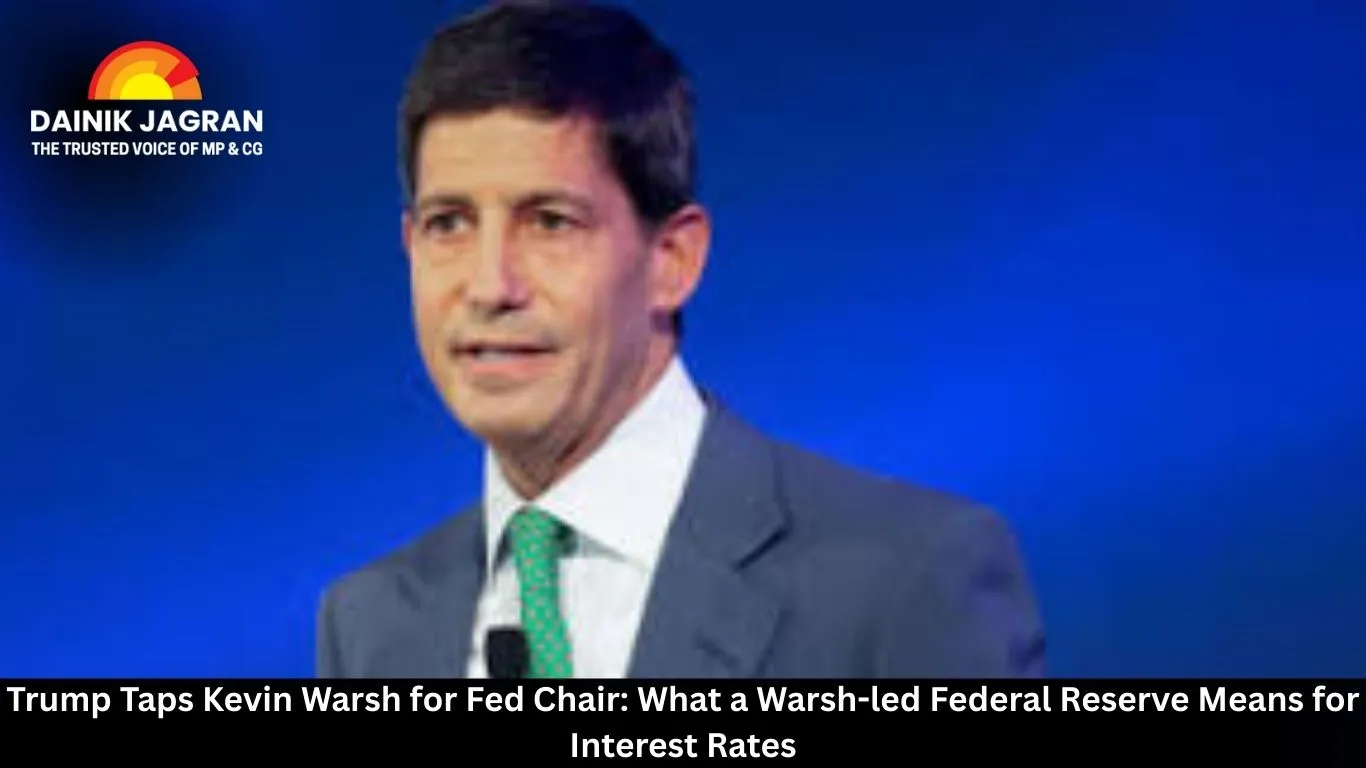
Trump Taps Kevin Warsh for Fed Chair: What a Warsh-led Federal Reserve Means for Interest Rates
Digital Desk
Trump Names Critic Kevin Warsh as Pick for Next Federal Reserve Chairman
In a move that could reshape U.S. monetary policy, President Donald Trump announced on Friday his intent to nominate former Fed official Kevin Warsh as the next chairman of the Federal Reserve. If confirmed by the Senate, Warsh would succeed current Chair Jerome Powell, whose term has been marked by public tension with the White House.
The decision, coming in an election year, signals Trump’s continued desire to exert influence over the nation’s central bank, particularly on the critical issue of interest rates. The Fed’s policies directly affect everything from mortgage costs and car loans to inflation and job growth, making this nomination a pivotal economic event.
Why This Shift Matters Now
The Federal Reserve operates independently to maintain economic stability, but Trump has repeatedly criticized Powell for maintaining borrowing costs he views as too high. With economic uncertainty looming as a key theme for the 2026 political landscape, Trump is pushing for a leader aligned with his preference for lower rates to stimulate growth and reduce government debt costs.
“This is a clear political play for economic influence,” says Dr. Lena Torres, a simulated political economist consulted for this article. “Nominating Warsh, who has recently voiced openness to accommodative policy, suggests a Fed that may be more responsive to White House pressure than at any time in recent decades.”
Who is Kevin Warsh and What Might He Do?
Kevin Warsh is no stranger to the Fed, having served as a governor from 2006 to 2011 during the financial crisis. Recently, however, he has been a vocal critic of the Fed’s post-crisis strategies. His apparent evolution on monetary policy—from a known inflation “hawk” to a voice more amenable to lower rates—likely made him a compatible choice for Trump.
Key areas of focus under a Warsh-led Fed could include:
Sooner Rate Cuts: Accelerating the timeline for lowering interest rates to boost economic activity.
Regulatory Review: Potentially rolling back some financial regulations implemented after the 2008 crisis.
Fed Independence: Navigating concerns about the erosion of the central bank’s traditional non-partisan stance.
The Road Ahead: Senate Showdown
The immediate next step is a contentious Senate confirmation process. Lawmakers will scrutinize Warsh’s past Wall Street ties, his recent policy shifts, and the overarching question of Federal Reserve independence. His approval is not guaranteed, promising a heated debate.
The Bottom Line
The nomination of Kevin Warsh as Federal Reserve chairman places the institution at a potential turning point. For Americans, the outcome will influence the cost of borrowing, the strength of the job market, and the overall economic direction heading into a new presidential term. All eyes now turn to the Senate, where the battle over the nation’s economic stewardship is set to begin.

.jpg)




